Employer Harassment Compliance
Documenting Workplace Sexual Harassment Concerns: What Employers Should Know
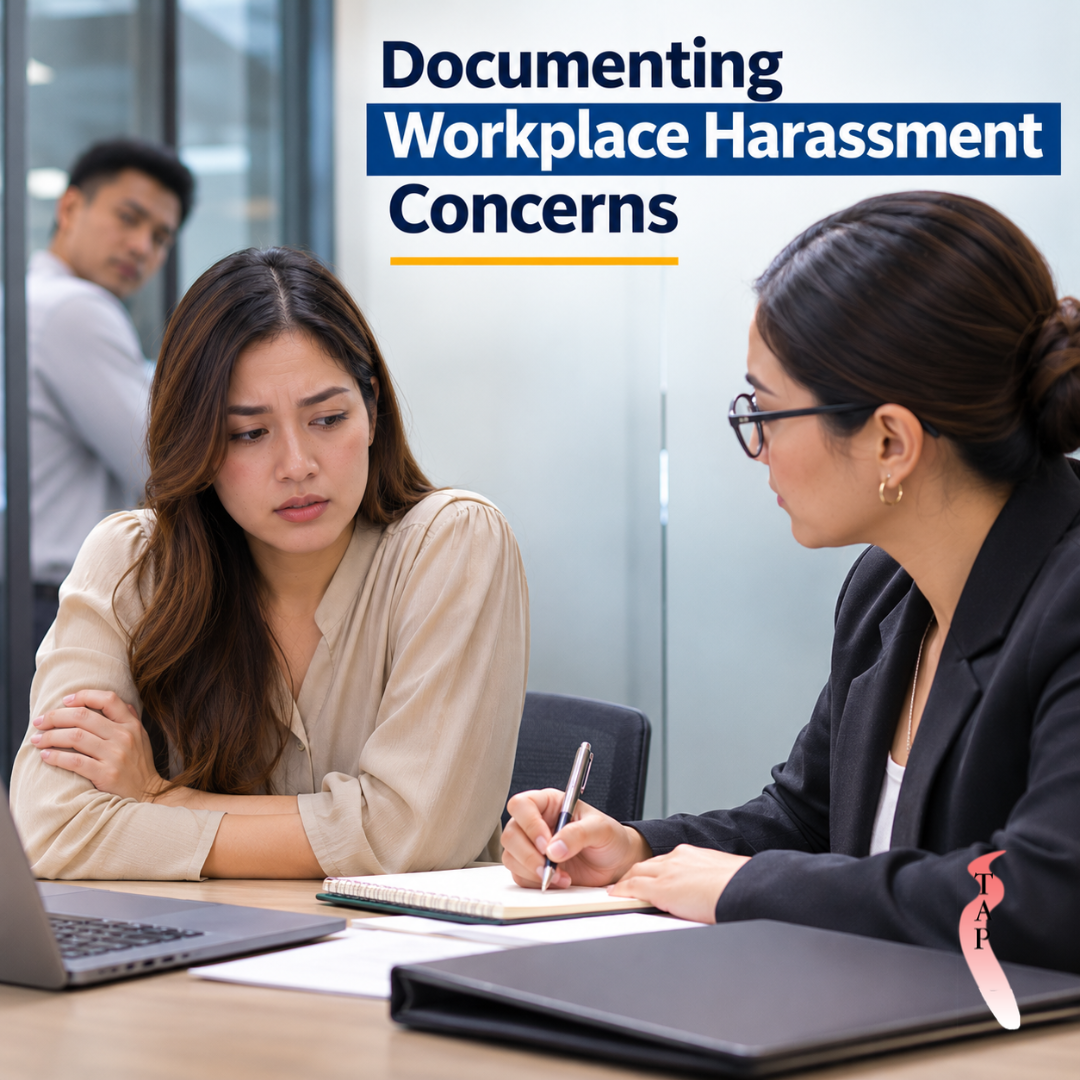
Proper documentation is an important part of handling workplace harassment complaints. Accurate records can help employers understand reported incidents, establish timelines, and determine appropriate next steps.
Documenting workplace harassment concerns involves recording factual information, preserving relevant communications, identifying potential witnesses, and protecting sensitive records.
Employers should establish consistent documentation procedures that support fair investigations while respecting employee privacy and confidentiality.
Why Documentation Matters in Harassment Complaints
When employees report sexual harassment, clear documentation can help HR personnel and investigators evaluate the circumstances surrounding a complaint.
Proper records may help employers:
- Establish when and where reported incidents occurred.
- Identify individuals involved and potential witnesses.
- Review relevant messages, emails, or other communications.
- Track actions taken in response to complaints.
- Maintain consistent records throughout an investigation.
Documentation should focus on factual information rather than assumptions or premature conclusions about the individuals involved.
What Information Should Employers Document?
Employers should collect relevant details when receiving and reviewing workplace harassment concerns.
Important information may include:
- Dates and times: Record when reported incidents occurred and when complaints were received.
- Incident descriptions: Document the reported behavior using clear, objective language.
- Individuals involved: Identify the complainant, the person accused, and relevant witnesses.
- Supporting communications: Preserve relevant emails, text messages, screenshots, or workplace chat records.
- Witness information: Record witness accounts and relevant observations.
- Employer responses: Document investigative steps, findings, corrective measures, and follow-up actions.
When an employee cannot recall an exact date or specific detail, employers should record the available information without assuming the complaint is unreliable.
Maintaining Accurate and Objective Records
Harassment documentation should distinguish between reported allegations, witness statements, and findings established through an investigation.
Employers should avoid speculative language, personal opinions, or conclusions unsupported by available evidence.
Investigators should also consider the context of communications rather than relying solely on isolated screenshots or selected messages.
Consistent documentation can support a more organized and impartial complaint-handling process.
Protecting Confidentiality and Digital Records
Harassment complaints may involve sensitive personal information and confidential workplace communications.
Employers should implement secure documentation practices, including:
- Restricting access to authorized personnel with a legitimate need to know.
- Storing investigation records in secure systems.
- Avoiding unnecessary sharing of complaints or evidence.
- Preserving original digital records when reasonably possible.
- Following applicable record retention and privacy requirements.
Employers should avoid promising absolute confidentiality because certain information may need to be shared to conduct a fair investigation.
Supervisor Responsibilities in Documentation
Supervisors may be among the first individuals to receive workplace harassment complaints.
Managers should listen carefully, document relevant information, and promptly follow established reporting procedures.
They should avoid conducting unauthorized investigations, dismissing concerns without review, or making promises about investigation outcomes.
Supervisors should also understand that retaliation against employees for engaging in legally protected reporting or investigation activities is prohibited.
Legal Background
Title VII of the Civil Rights Act of 1964 prohibits covered employers from engaging in unlawful sex discrimination, including sexual harassment that meets applicable legal standards.
Accurate documentation may help employers demonstrate how they responded to reported concerns. However, recordkeeping alone does not establish compliance or eliminate potential liability.
Employers may also have obligations to preserve relevant records under federal, state, and local laws, particularly when an administrative charge or litigation is pending or reasonably anticipated.
Applicable retention requirements depend on the circumstances, and employers should seek appropriate legal guidance when necessary.
The Importance of Sexual Harassment Training
Sexual harassment prevention training can help employees and supervisors understand reporting procedures, appropriate workplace conduct, and the importance of documenting concerns responsibly.
Sexual Harassment Training | TAP Series®
Training should address:
- Employee awareness: Recognizing inappropriate conduct and understanding when to report concerns.
- Reporting procedures: Knowing how to submit complaints and relevant supporting information.
- Supervisor responsibilities: Documenting reports accurately and escalating concerns appropriately.
- Workplace respect: Handling sensitive information professionally and avoiding workplace speculation.
- Prevention strategies: Reinforcing consistent reporting, secure documentation, and anti-retaliation protections.
Training should complement clear workplace policies, appropriate investigation procedures, and secure recordkeeping practices.
Key Takeaways for Employers
Employers can strengthen documentation practices by:
- Recording relevant dates, incidents, and witness information.
- Preserving appropriate communications and supporting evidence.
- Distinguishing allegations from verified findings.
- Maintaining secure and organized investigation records.
- Training supervisors to document and escalate complaints.
- Following applicable privacy and record retention requirements.
- Protecting employees from retaliation.
Conclusion
Documenting workplace harassment concerns is an important part of responsible complaint handling.
Factual records, relevant communications, witness information, and secure documentation procedures can help employers evaluate complaints and determine appropriate responses.
By establishing consistent recordkeeping practices and providing workplace harassment prevention training, organizations can support fair investigations while protecting sensitive employee information.