Evaluating Environmental Risks Before Buying A House
How Climate and Weather Should Factor Into Property Decisions
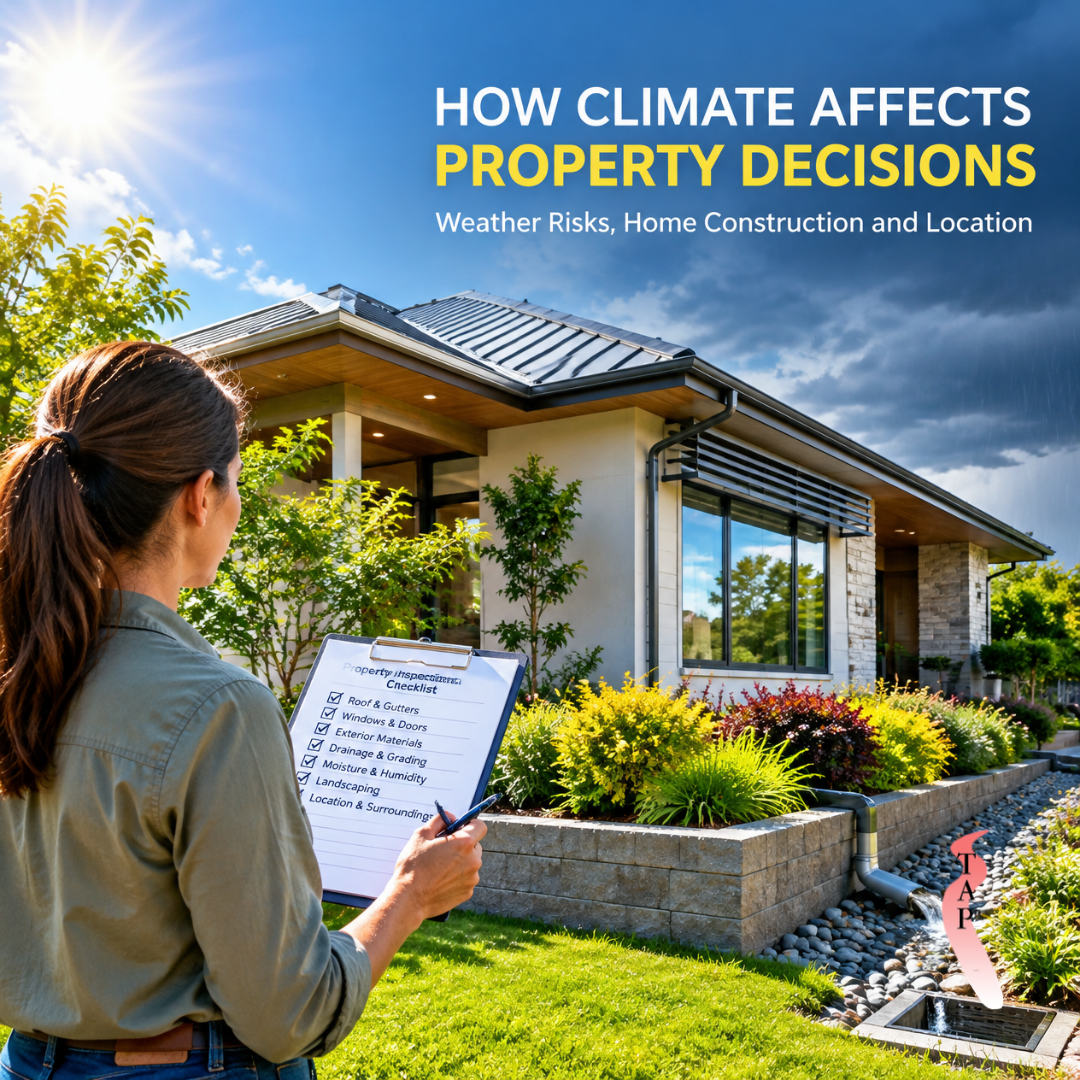
When evaluating a property, it is easy to focus on its layout, location, price, and overall condition. However, the local climate and typical weather conditions can also influence how comfortable a home is, how well it holds up over time, and what maintenance it may require. Heat, cold, heavy rainfall, flooding, storms, humidity, and wildfire exposure can all affect a property's suitability for different households.
Understanding these factors before purchasing can help buyers look beyond a property's current appearance and consider how its location and construction may perform under local environmental conditions. While no property is entirely free from weather-related risks, knowing what to investigate can support more informed decisions.
Consider Local Temperatures and Seasonal Extremes
Temperature is an important factor when assessing a property's comfort and energy requirements. Homes in areas with prolonged hot weather may need effective shading, insulation, ventilation, and cooling systems. Properties in colder climates may require adequate insulation, efficient heating, weatherproof windows, and protection against freezing conditions.
The home's orientation can also influence indoor temperatures. Large windows facing strong afternoon sunlight may increase heat gain, while limited natural light can make some rooms feel colder or darker. Roof colour, surrounding trees, external shading, and the design of outdoor spaces can further influence how a home responds to changing temperatures.
Buyers should consider the local climate throughout the year rather than relying on conditions during a single property viewing. A home that feels comfortable on a mild day may become difficult to cool during a heatwave or expensive to heat during a cold season.
Investigate Storm Exposure and Wind Resistance
Properties in areas prone to severe storms may face risks from strong winds, flying debris, heavy rainfall, and falling trees. The level of exposure depends on local weather patterns, surrounding terrain, vegetation, and the construction of the property.
When assessing a home, examine the condition of the roof, gutters, exterior walls, windows, doors, and other exposed components. Look for signs of previous storm damage, temporary repairs, loose roofing materials, or water entering around openings.
Construction features also matter. Roof connections, window protection, drainage systems, and the quality of exterior materials can influence how a property withstands severe weather. Buyers should check whether relevant building requirements have been met and whether any available records document previous storm damage or repairs.
The surrounding environment deserves attention as well. Mature trees can provide shade, but damaged or poorly maintained trees may pose a risk during high winds. Understanding local storm exposure can help buyers identify areas that may require further inspection or ongoing maintenance.
Understand Flooding and Water Management Risks
Flooding can occur near rivers, coastal areas, low-lying land, and locations with inadequate drainage. However, properties outside recognised flood zones may also experience water intrusion during intense rainfall if stormwater systems become overwhelmed or water collects around the building.
Buyers should investigate local flood information and consider the property's elevation, nearby waterways, slope, and drainage arrangements. Check whether the land directs water away from the house or whether the yard, driveway, or neighbouring properties appear to channel runoff toward the building.
Visible warning signs can include water stains, damp walls, swollen flooring, peeling paint, persistent musty odours, and damaged materials near the ground. These signs do not establish the cause by themselves, but they may justify further investigation.
It is also important to distinguish between different types of flooding. River flooding, coastal inundation, surface-water flooding, and stormwater overflow can affect properties in different ways. Local hazard maps and historical information can provide useful context, although they cannot predict every future event.
Evaluate Wildfire Exposure and Surrounding Vegetation
In some regions, wildfire is an important property consideration, particularly where homes are close to forests, grasslands, or dry vegetation. Risk can depend on local weather, vegetation density, slope, wind patterns, and the distance between buildings and combustible materials.
Buyers should examine the surrounding landscape and consider how vegetation is maintained near the home. Overgrown plants, dry leaves, accumulated debris, and combustible materials close to exterior walls may increase vulnerability in certain conditions.
Construction features can also affect exposure. Roofing materials, exterior cladding, vents, windows, and gaps where embers may enter are relevant considerations in wildfire-prone locations. The suitability of existing materials depends on local conditions and applicable building requirements.
It is useful to review local wildfire hazard information and understand whether the property is within an identified risk area. Buyers should also consider access routes and local emergency planning, especially where a community has limited roads or evacuation options.
Account for Humidity, Moisture, and Ventilation
Humidity can influence indoor comfort, material durability, and maintenance needs. In humid climates, moisture may accumulate in poorly ventilated bathrooms, kitchens, cupboards, and other enclosed spaces. Over time, persistent dampness can contribute to mould growth, damage finishes, and affect some building materials.
When viewing a property, look for condensation on windows, musty smells, mould-like growth, peeling paint, and discolouration around ceilings or walls. Pay attention to ventilation in bathrooms, kitchens, laundry areas, and rooms with limited airflow.
Air conditioning and dehumidification may help manage indoor moisture, but they do not replace the need to identify and address leaks or other sources of water intrusion. A home with poor ventilation or recurring moisture problems may require improvements beyond surface cleaning or repainting.
In drier climates, buyers may need to consider different issues, including dust, drying materials, and seasonal changes in soil moisture. The key is understanding how local conditions interact with the property's design and construction.
Review Construction Materials and Drainage Design
A home's materials and construction details should be suitable for its local environment. Roofing, exterior finishes, foundations, windows, insulation, and drainage components all affect how a building responds to weather.
For example, materials exposed to frequent rain and moisture may need appropriate water resistance and maintenance. Homes in coastal environments may require particular attention to corrosion, salt exposure, and the condition of metal fittings. Properties in areas with expansive soils may also need suitable foundations and effective water management around the building.
Check gutters, downpipes, roof drainage, and the ground immediately surrounding the house. Blocked gutters or poorly directed downpipes can allow water to collect near foundations or enter vulnerable parts of the building.
A professional inspection can help identify visible defects and areas requiring further assessment. For properties with known environmental exposure, additional specialist advice may be appropriate.
Include Climate Risks in Long-Term Ownership Planning
Climate and weather considerations extend beyond the condition of the house today. Buyers should consider potential maintenance needs, the availability and cost of suitable insurance, local infrastructure, and how environmental hazards may affect everyday living.
A property with effective shading and insulation may offer greater comfort in hot weather, while one with well-maintained drainage may be better prepared for heavy rainfall. Nevertheless, these features do not eliminate risk, and their effectiveness depends on design, condition, and local conditions.
Before making a decision, review relevant hazard maps, available property records, local climate information, and the condition of the building. Consider which improvements may be needed and whether the property's location suits the household's preferences and tolerance for environmental uncertainty.
Ultimately, climate should be treated as part of the overall property evaluation, alongside layout, maintenance, accessibility, and ongoing ownership costs. By understanding local weather patterns and examining how a home is designed to respond to them, buyers can make more informed decisions about its suitability over time.
This article is for general educational purposes only and is not a substitute for professional building, insurance, legal, or financial advice.