Employer Harassment Prevention
How Power Imbalances Can Contribute to Workplace Sexual Harassment
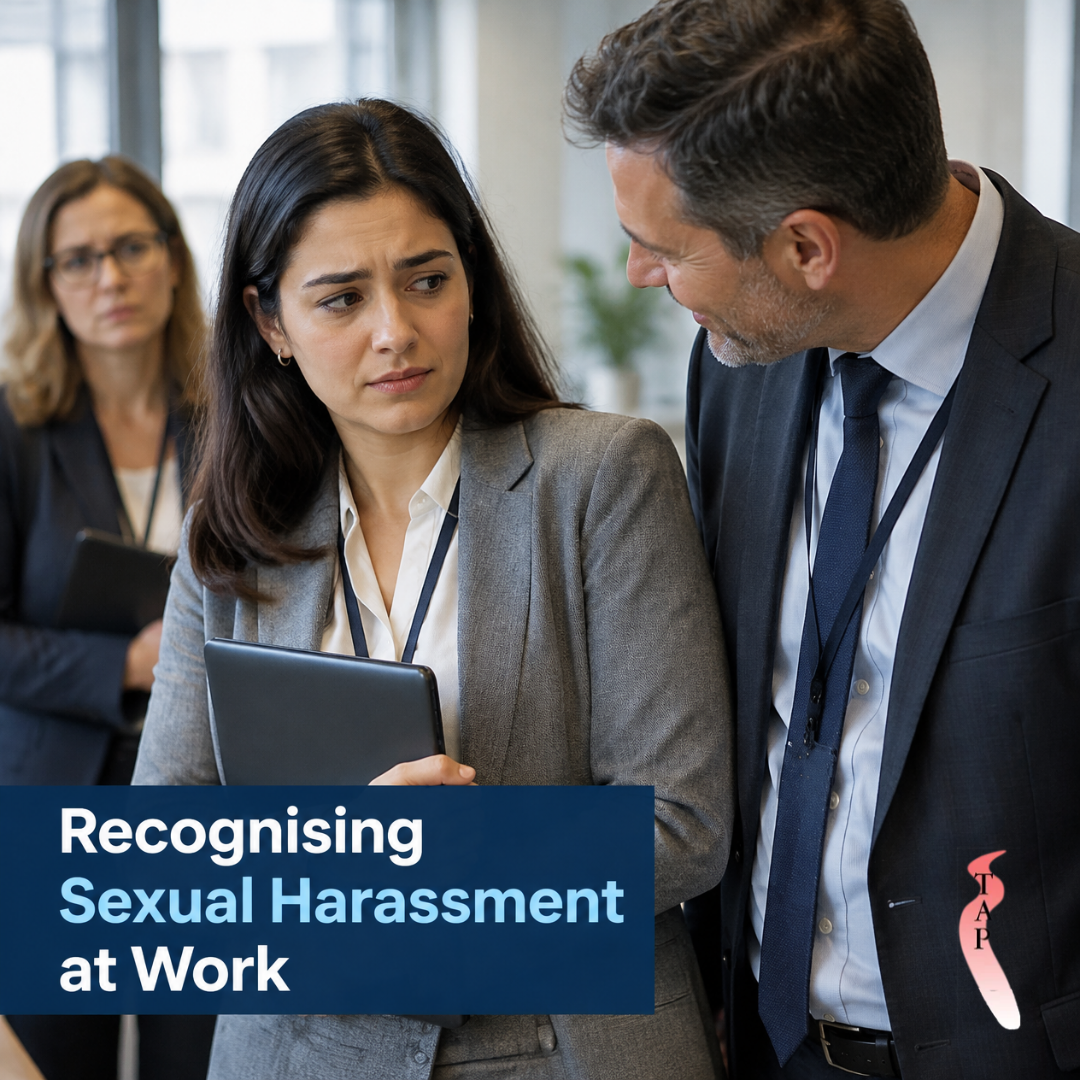
Workplace relationships are influenced by more than job responsibilities. Differences in authority, seniority, influence, and job security can affect how employees interact, communicate concerns, and respond to inappropriate behavior. When one person has greater control over another employee's work conditions or career opportunities, the employee may feel uncomfortable challenging that person's conduct.
Understanding power imbalances and workplace sexual harassment can help employers recognize how workplace hierarchies may affect professional boundaries, reporting decisions, and employee experiences. Clear policies, responsible leadership, and effective training can help organizations reinforce appropriate conduct at every level.
What Is a Power Imbalance in the Workplace?
A power imbalance occurs when one person has greater authority, influence, or control over another person's professional circumstances. These differences can exist between supervisors and employees, senior and junior colleagues, permanent and temporary workers, or individuals with different levels of organizational influence.
Power differences are not inherently inappropriate. Organizations need managers and supervisors to make decisions and coordinate work. However, problems can arise when someone uses their position to pressure another person, disregard boundaries, or influence employment decisions for personal reasons.
Examples of workplace power imbalances include:
- A manager who controls an employee's schedule, assignments, or performance reviews.
- A senior employee who influences promotion or advancement decisions.
- A supervisor who has authority over disciplinary action.
- A temporary worker who depends on a manager's recommendation for continued employment.
- A senior leader whose influence makes employees reluctant to challenge their behavior.
Recognizing these dynamics can help employers identify situations in which employees may need clearer reporting options or additional support.
How Authority Can Influence Workplace Interactions
Supervisors and managers often have legitimate authority over work assignments, performance expectations, and other employment matters. However, that authority can create pressure when personal attention or inappropriate conduct becomes part of the relationship.
An employee may worry that rejecting unwanted advances could affect their schedule, performance evaluation, promotion opportunities, or relationship with management.
For example, an employee might receive repeated personal invitations from a supervisor who also determines their work assignments. Even without an explicit threat, the employee may feel uncertain about whether declining the invitations could have professional consequences.
Employers should communicate that authority must be exercised professionally and that workplace decisions should not be used to pressure employees into personal or sexual interactions.
Why Seniority and Influence Matter
Power imbalances do not occur only between managers and their direct reports. Senior employees may have informal influence because of their experience, reputation, professional connections, or relationships with organizational leadership.
In some workplaces, employees may hesitate to report inappropriate conduct involving a highly regarded colleague because they fear they will not be believed or that the complaint could affect their own standing.
These concerns can be especially difficult when the person involved has influence over team culture or access to decision-makers.
Employers should ensure that workplace expectations apply consistently, regardless of seniority, performance, popularity, or organizational status.
Job Insecurity Can Make Reporting More Difficult
Employees who depend on their jobs for financial stability may worry about the consequences of raising concerns. These fears can be particularly relevant for temporary workers, probationary employees, contractors, and individuals whose employment depends on contract renewal or favorable recommendations.
An employee might avoid reporting inappropriate behavior because they are concerned about losing shifts, receiving a negative evaluation, or missing future opportunities.
Employers should clearly communicate their anti-retaliation policies and explain how employees can report concerns. They should also review employment decisions following a complaint to identify and address potential retaliation where appropriate.
Subtle Pressure and Unwelcome Conduct
Not every power-related concern involves an explicit threat. Sometimes, an employee may experience repeated personal attention, inappropriate comments, or unwanted requests from someone who holds greater authority or influence.
The employee may feel pressure to remain polite, laugh at a comment, or continue an interaction to avoid workplace conflict.
Examples of situations that may raise concerns include:
- A supervisor repeatedly making sexual comments toward a subordinate.
- A senior colleague continuing to request dates after being refused.
- A manager suggesting that personal attention could improve an employee's career prospects.
- A person with influence treating an employee negatively after they reject unwanted attention.
- A supervisor using workplace messaging channels to send unwelcome personal or sexual messages.
Whether particular conduct constitutes unlawful sexual harassment depends on the circumstances and applicable law. Employers should nevertheless take concerns seriously and follow their established policies and procedures.
How Power Imbalances Affect Reporting
Employees may be less comfortable reporting concerns when the person involved has authority over their employment or strong relationships within the organization.
Several factors can contribute to this hesitation:
- Fear of retaliation: Employees may worry about losing opportunities or receiving unfavorable treatment.
- Concern about credibility: Employees may fear that management will favor a senior or influential individual.
- Uncertainty about reporting channels: Employees may not know whom to contact if their immediate supervisor is involved.
- Workplace relationships: Employees may worry about conflict with colleagues or disruption to their team.
- Previous experiences: Employees who have seen complaints dismissed may be less confident about reporting their own concerns.
Employers should not assume that the absence of complaints means there are no workplace concerns. Accessible reporting channels, clear procedures, and appropriate communication can help employees understand their options.
The Role of Employers and Supervisors
Employers can address power-related risks by establishing clear expectations for professional conduct and ensuring that workplace authority is exercised responsibly.
Practical measures include:
- Establishing clear policies: Explain prohibited conduct, reporting procedures, and anti-retaliation expectations.
- Providing alternative reporting channels: Ensure employees have options when their supervisor or manager is involved.
- Training supervisors: Explain how authority, professional boundaries, and complaint-handling responsibilities intersect.
- Handling concerns consistently: Apply established procedures regardless of the individual's position or reputation.
- Reviewing employment decisions: Pay appropriate attention to potential retaliation following a report.
- Maintaining appropriate confidentiality: Limit access to complaint information to those who need it to address the matter.
Employers should also ensure that employees understand how concerns are handled and where they can seek assistance.
The Importance of Sexual Harassment Training
Sexual Harassment Training | TAP Series®
Sexual harassment training can help employees and supervisors understand how power differences may affect workplace interactions and reporting decisions.
Training can address:
- Employee awareness: Helping employees recognize inappropriate conduct and understand professional boundaries.
- Reporting procedures: Explaining how to raise concerns, including when a supervisor is involved.
- Supervisor responsibilities: Reinforcing the need to respond appropriately and follow established procedures.
- Workplace respect: Encouraging professional relationships regardless of job title or seniority.
- Prevention strategies: Helping organizations identify risks associated with authority, influence, and workplace culture.
Practical training scenarios can help employees consider situations involving unwanted personal attention, supervisory authority, job insecurity, and concerns about retaliation.
Training should complement clear policies, appropriate complaint handling, and consistent enforcement rather than replace these responsibilities.
Broader Implications for Employers
Power imbalances can affect how employees experience workplace relationships and whether they feel able to raise concerns. Although organizational hierarchies are often necessary, they should not prevent employees from understanding their rights, accessing reporting procedures, or seeking assistance.
Employers should evaluate whether their policies and practices account for differences in authority and influence. They should also consider whether employees across all levels of the organization receive consistent information about professional conduct and reporting options.
A comprehensive prevention approach combines clear expectations, leadership accountability, employee education, and appropriate responses when concerns arise.
Conclusion
Workplace sexual harassment prevention and power dynamics are closely connected because differences in authority, influence, and job security can affect how employees respond to inappropriate conduct. Employers should recognize these dynamics and ensure that professional standards apply regardless of position or seniority.
By providing clear reporting channels, training supervisors, reinforcing anti-retaliation policies, and responding consistently to concerns, organizations can help employees better understand their options and support a more respectful workplace.