Employer Harassment Prevention
How Workplace Power Dynamics Affect Harassment Reporting
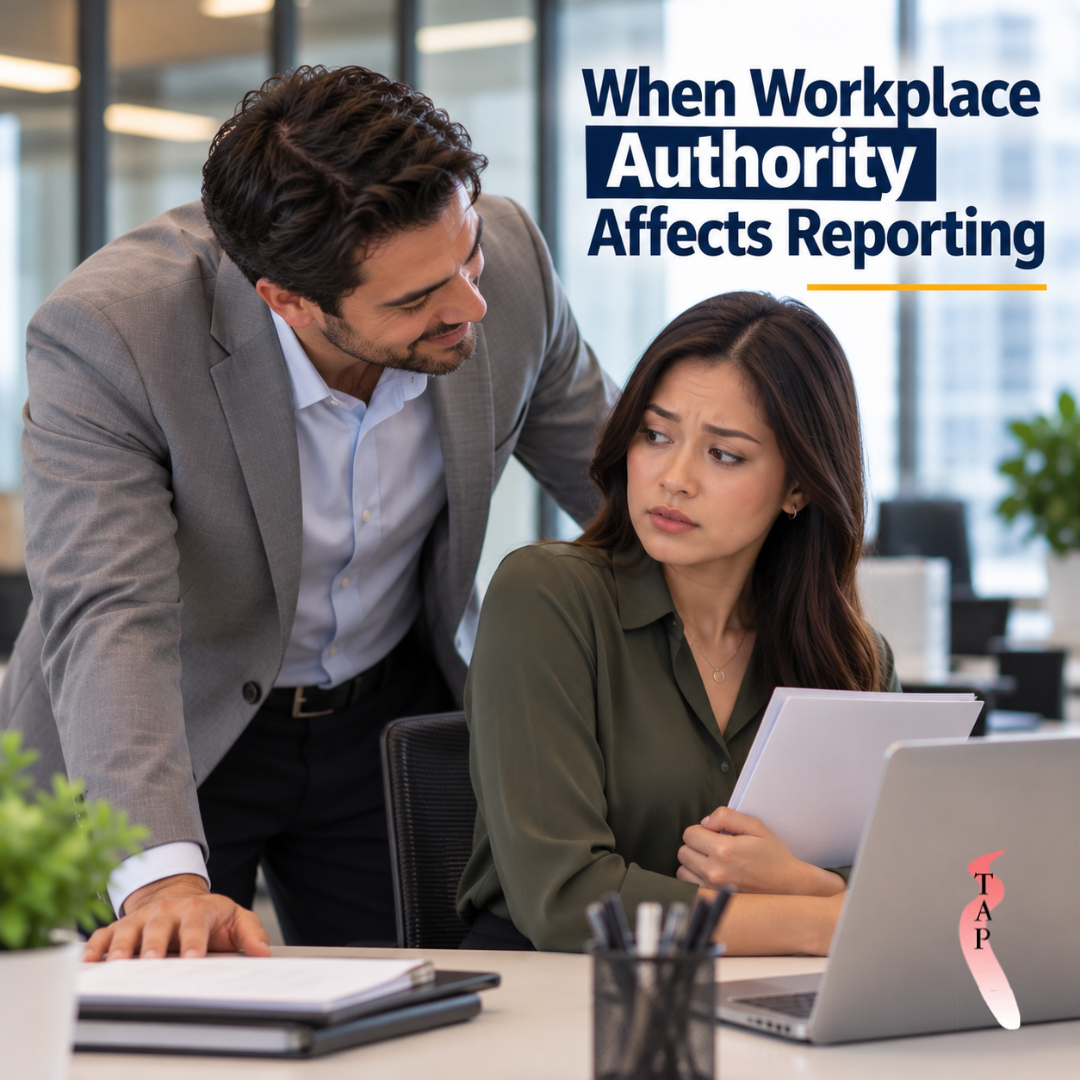
Workplace authority and influence can affect whether employees feel comfortable reporting sexual harassment. When concerns involve supervisors, senior leaders, or influential colleagues, employees may worry about their job security, performance evaluations, or career opportunities.
Employers should recognise these challenges and establish reporting procedures that allow employees to raise concerns without fear of retaliation.
How Power Dynamics Affect Harassment Reporting
Power imbalances occur when one employee has greater authority or influence over another. This can make reporting inappropriate conduct particularly difficult.
Employees may hesitate to report harassment because they fear:
- Losing promotions, assignments, or professional opportunities.
- Receiving unfair performance evaluations.
- Experiencing retaliation or workplace exclusion.
- Damaging relationships with influential colleagues.
- Losing their jobs or future employment opportunities.
Employees may also believe their complaints will not be taken seriously when the person involved holds a senior position.
When Authority Crosses Professional Boundaries
Supervisors and senior employees should maintain appropriate professional boundaries.
Unwelcome sexual comments, repeated personal advances, or pressure to engage in romantic relationships may raise workplace harassment concerns.
For example, a supervisor suggesting that career advancement depends on accepting sexual attention may constitute unlawful harassment.
Employers should reinforce that employment decisions must be based on legitimate professional considerations rather than personal or sexual relationships.
Creating Safe and Accessible Reporting Procedures
Employers can reduce reporting barriers by establishing clear and impartial complaint procedures.
Important measures include:
- Multiple reporting channels: Allow employees to report concerns outside their direct supervisory chain.
- Impartial investigations: Ensure complaints involving senior leaders receive appropriate and unbiased review.
- Anti-retaliation protections: Prohibit retaliation against employees who report concerns or participate in investigations.
- Consistent accountability: Apply workplace conduct standards regardless of seniority or influence.
- Supervisor training: Prepare managers to recognise inappropriate behaviour and respond appropriately.
Employees should understand that they do not need to confront the person involved before reporting harassment.
Legal Background
Title VII of the Civil Rights Act of 1964 prohibits covered employers from engaging in unlawful sex discrimination, including sexual harassment that meets applicable legal standards.
Federal law also prohibits retaliation for engaging in protected activities, such as reporting discrimination or participating in certain investigations.
Employer responsibilities and liability depend on the circumstances. State and local laws may provide additional protections.
The Importance of Sexual Harassment Training
Sexual harassment prevention training helps employees understand workplace boundaries, reporting options, and the responsibilities of supervisors.
Sexual Harassment Training | TAP Series®
Training should reinforce:
- Recognising inappropriate conduct involving authority figures.
- Understanding reporting procedures and available support.
- Maintaining professional boundaries and workplace respect.
- Recognising supervisor responsibilities.
- Preventing retaliation and encouraging appropriate reporting.
Training should complement clear policies, accessible reporting channels, and consistent responses to complaints.
Key Takeaways for Employers
Employers should:
- Recognise how workplace authority may discourage harassment reporting.
- Provide alternative reporting channels.
- Protect employees from retaliation.
- Investigate complaints fairly, regardless of seniority.
- Train supervisors to maintain professional boundaries and respond appropriately.
Conclusion
Workplace power dynamics can discourage employees from reporting sexual harassment, particularly when influential individuals are involved.
Clear reporting procedures, consistent accountability, anti-retaliation protections, and practical training can help employers address these barriers and support a respectful workplace.