Employer Harassment Compliance
Maintaining Confidentiality During Workplace Harassment Investigations
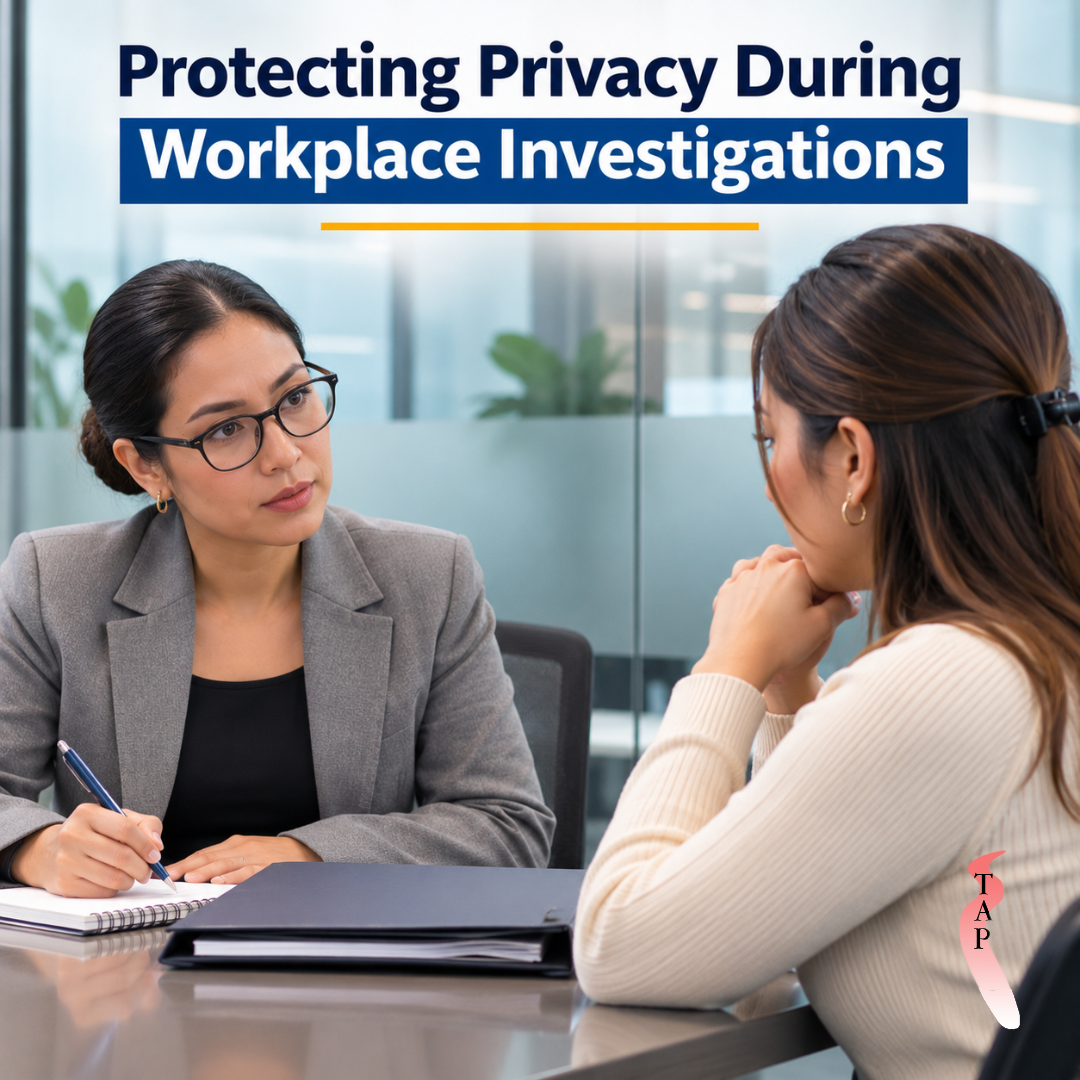
Workplace harassment investigations often involve sensitive information, including employee statements, personal experiences, and confidential workplace records. How employers handle this information can affect employee trust and the fairness of the investigation.
Maintaining confidentiality during workplace harassment investigations means limiting access to sensitive information, protecting employee privacy, and sharing details only when reasonably necessary.
Employers should establish clear procedures that balance confidentiality with the need to conduct a thorough and impartial investigation.
Why Confidentiality Matters in Harassment Investigations
Employees may hesitate to report sexual harassment if they fear their personal information or experiences will become widely known.
Inappropriate disclosure of investigation details can create additional workplace concerns, including gossip, embarrassment, intimidation, or retaliation.
Maintaining appropriate confidentiality helps employers:
- Protect the privacy of employees involved in complaints.
- Reduce unnecessary workplace rumors and speculation.
- Preserve the integrity of investigations.
- Encourage employees to report concerns.
- Limit access to sensitive documents and statements.
However, confidentiality should not prevent investigators from gathering relevant information or allowing individuals involved to respond appropriately to allegations.
Who Should Have Access to Investigation Information?
Employers should generally limit sensitive investigation information to individuals with a legitimate need to know.
Depending on the circumstances, these may include:
- HR representatives: Personnel responsible for receiving and reviewing complaints.
- Investigators: Individuals assigned to conduct interviews and evaluate evidence.
- Legal counsel: Professionals providing guidance on applicable legal obligations.
- Relevant management personnel: Individuals responsible for implementing necessary workplace measures.
Employees involved in an investigation may also need access to certain information to provide meaningful responses.
Employers should avoid sharing complaint details with unrelated coworkers or managers who have no legitimate role in the process.
Why Employers Should Avoid Promising Absolute Confidentiality
Although employers should protect sensitive information, guaranteeing complete confidentiality may be unrealistic.
Investigators may need to interview witnesses, review documents, or share relevant allegations with the person accused to conduct a fair investigation.
Employers should explain that information will be handled discreetly and shared only as reasonably necessary.
This approach helps establish realistic expectations while demonstrating respect for employee privacy.
Confidentiality instructions should also be appropriately tailored and should not improperly restrict employees from discussing workplace conditions, reporting concerns to government agencies, or exercising other legally protected rights.
Protecting Sensitive Records and Digital Evidence
Harassment investigations may involve emails, screenshots, messages, interview notes, and other confidential records.
Employers should establish secure documentation procedures, including:
- Restricting access to authorized personnel.
- Storing records in secure systems.
- Avoiding unnecessary copying or distribution of sensitive materials.
- Documenting how evidence is collected and handled.
- Following applicable record retention and privacy requirements.
Proper evidence handling can help reduce unnecessary disclosure while preserving information relevant to the investigation.
Supervisor Responsibilities During Investigations
Supervisors should understand their responsibilities when employees report harassment.
Managers should avoid discussing allegations with uninvolved colleagues, speculating about complaints, or sharing sensitive information without authorization.
They should also follow established reporting procedures, cooperate with investigators, and avoid conduct that could intimidate employees or interfere with the investigation.
Employers should reinforce that retaliation against employees for engaging in legally protected reporting or investigation activities is prohibited.
Legal Background
Title VII of the Civil Rights Act of 1964 prohibits covered employers from engaging in unlawful sex discrimination, including sexual harassment that meets applicable legal standards.
Employers should respond appropriately to harassment complaints and conduct investigations suited to the circumstances.
Federal law does not generally require employers to guarantee absolute confidentiality during harassment investigations. Confidentiality practices must also account for applicable privacy laws, recordkeeping obligations, and employees' rights under labor and anti-discrimination laws.
Employers should review relevant federal, state, and local requirements when developing investigation procedures.
The Importance of Sexual Harassment Training
Sexual harassment prevention training can help employees and supervisors understand reporting procedures, confidentiality expectations, and appropriate workplace conduct during investigations.
Sexual Harassment Training | TAP Series®
Training should address:
- Employee awareness: Understanding how harassment complaints are handled.
- Reporting procedures: Knowing where and how to report concerns.
- Supervisor responsibilities: Protecting sensitive information and escalating complaints appropriately.
- Workplace respect: Avoiding gossip, intimidation, and inappropriate discussions.
- Prevention strategies: Reinforcing privacy safeguards, responsible documentation, and anti-retaliation protections.
Training should complement clear policies, secure recordkeeping practices, and consistent investigation procedures.
Key Takeaways for Employers
Employers can strengthen confidentiality practices by:
- Limiting sensitive information to individuals with a legitimate need to know.
- Avoiding promises of absolute confidentiality.
- Protecting employee privacy and investigation records.
- Establishing secure evidence-handling procedures.
- Training supervisors on appropriate information sharing.
- Respecting employees' legally protected rights.
- Preventing retaliation and unnecessary workplace speculation.
Broader Implications for Employers
Confidentiality practices influence how employees perceive workplace investigations.
When employees understand how their information will be handled, they may feel more comfortable raising concerns. However, employers must also ensure that confidentiality does not interfere with a fair investigation or employees' legal rights.
Clear communication, consistent procedures, and appropriate information safeguards can help employers balance privacy with accountability.
Conclusion
Maintaining confidentiality during workplace harassment investigations requires careful judgment and clear procedures.
Employers should protect sensitive information, limit unnecessary disclosure, and explain why complete confidentiality cannot always be guaranteed.
By establishing appropriate privacy safeguards, training supervisors, and handling complaints responsibly, organizations can support fair investigations while respecting the individuals involved.