Digital Workplace Harassment
Workplace Harassment Concerns Involving Personal Social Media Accounts
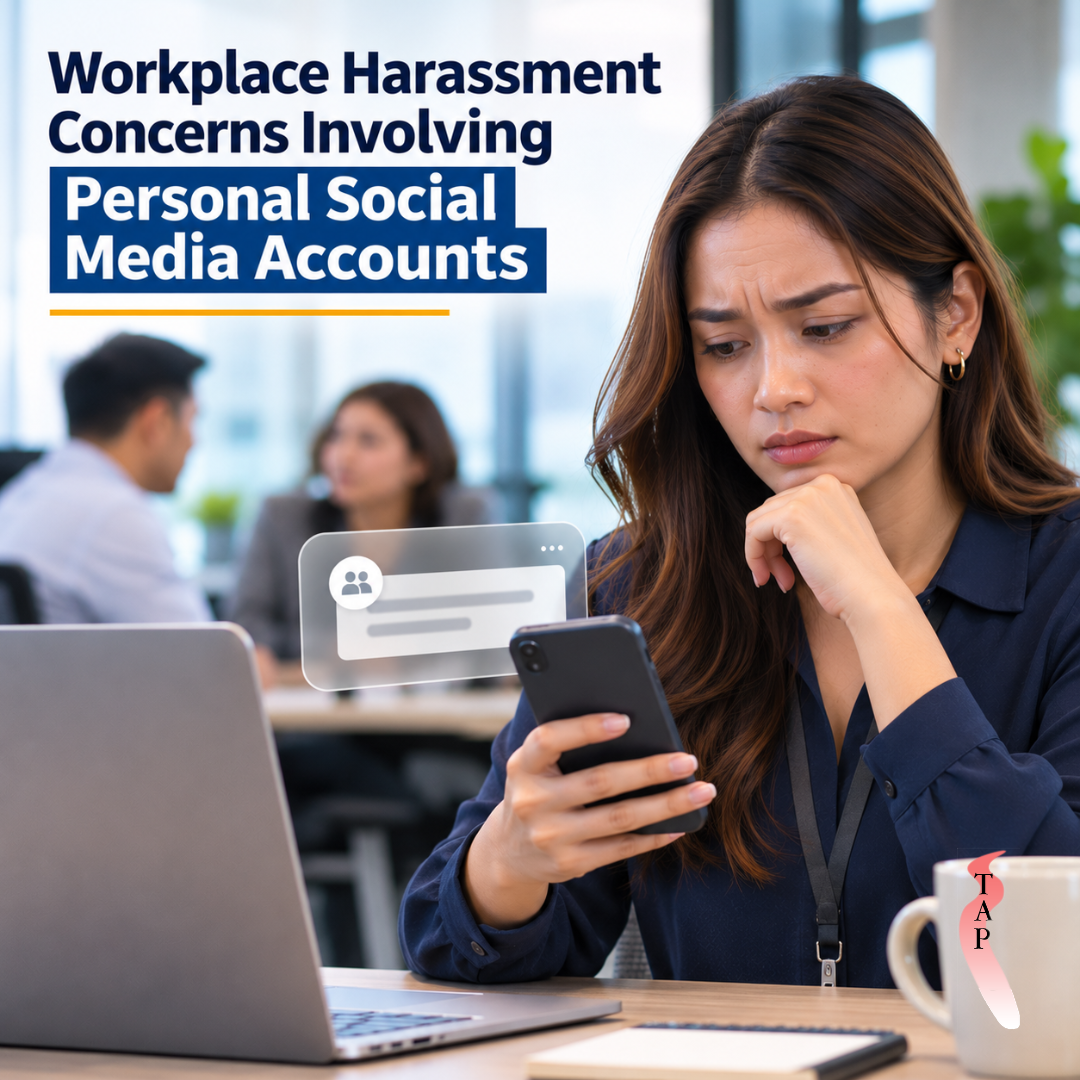
Social media allows employees to connect with coworkers beyond the workplace. However, interactions through personal accounts can sometimes create professional concerns, particularly when they involve unwanted messages, inappropriate comments, or targeted online posts.
Sexual harassment prevention should address work-related misconduct that may occur through personal social media accounts. Employers should understand when online behavior affects workplace relationships and how to respond appropriately.
When Personal Social Media Conduct Affects the Workplace
Not every interaction between coworkers on social media is a workplace matter. However, online conduct may become relevant when it involves employees, supervisors, or professional relationships.
Examples of potentially inappropriate behavior include:
- Sending repeated unwanted romantic or sexual messages to a coworker.
- Posting sexualized comments about an employee's appearance.
- Sharing inappropriate images or jokes targeting colleagues.
- Making unwanted personal advances through direct messages.
- Using social media to intimidate or retaliate against someone who reported harassment.
- Publicly targeting a coworker with humiliating or sexually suggestive content.
Even when these interactions occur outside working hours, they may raise workplace concerns depending on their connection to employment and their impact on employees.
Why Employees May Hesitate to Report Online Harassment
Employees may feel uncertain about reporting conduct that occurs through personal social media accounts.
Some may believe that workplace policies only apply to company-owned platforms. Others may worry about exposing private conversations or creating conflict with coworkers.
Power imbalances can also affect reporting. Employees may hesitate to block or report a supervisor who controls assignments, evaluations, or advancement opportunities.
Employers should clarify that employees can raise concerns about online misconduct connected to their workplace relationships.
Establishing Clear Social Media Conduct Policies
Employers should establish reasonable guidelines addressing inappropriate online interactions involving coworkers.
Important measures include:
- Professional boundaries: Discourage unwanted sexual attention, repeated personal messages, and inappropriate comments.
- Workplace connections: Explain when off-duty social media conduct may be reviewed under workplace policies.
- Reporting procedures: Provide accessible channels for reporting online harassment.
- Employee privacy: Respect personal account boundaries and avoid unnecessary access to private information.
- Supervisor responsibilities: Ensure managers understand how to respond to concerns involving social media.
Policies should be appropriately tailored to applicable laws, including employee privacy and protected workplace communications.
Responding to Social Media Harassment Complaints
When an employee reports inappropriate online conduct, employers should assess its connection to the workplace and follow established investigation procedures.
Relevant screenshots, messages, or public posts may help provide context. However, employers should collect only reasonably necessary information and protect sensitive records.
Supervisors should avoid dismissing concerns simply because the conduct occurred through personal accounts. Employees should also be protected from unlawful retaliation for reporting harassment or participating in investigations.
Legal Background
Title VII of the Civil Rights Act of 1964 prohibits covered employers from engaging in unlawful sex discrimination, including sexual harassment that meets applicable legal standards.
Off-duty social media conduct may be relevant to a hostile work environment claim when it is sufficiently connected to employment and contributes to harassment that is severe or pervasive.
Whether conduct creates employer liability depends on the circumstances. State and local laws may provide additional protections, while privacy and labor laws may limit certain employer actions involving personal accounts.
The Importance of Sexual Harassment Training
Sexual harassment prevention training can help employees recognize inappropriate online behavior and understand how professional boundaries extend to social media interactions.
Sexual Harassment Training | TAP Series®
Training should address:
- Employee awareness: Recognizing unwanted messages, sexualized comments, and targeted online conduct.
- Reporting procedures: Understanding how to report social media harassment connected to work.
- Supervisor responsibilities: Responding appropriately and escalating complaints.
- Workplace respect: Maintaining professional boundaries in online relationships.
- Prevention strategies: Encouraging responsible social media interactions and appropriate documentation.
Training should complement clear policies, accessible reporting channels, and consistent responses to concerns.
Key Takeaways for Employers
Employers can strengthen harassment prevention by:
- Addressing work-related social media misconduct in workplace policies.
- Explaining when personal online interactions may raise workplace concerns.
- Providing accessible reporting procedures.
- Protecting employee privacy during investigations.
- Training supervisors to recognize and respond to online harassment.
- Reinforcing appropriate anti-retaliation protections.
Broader Implications for Employers
Personal social media accounts can blur the boundaries between employees' professional and private lives.
Employers should avoid unnecessarily monitoring lawful personal activity while recognizing that certain online interactions may affect workplace relationships.
Clear expectations and consistent complaint-handling procedures can help employers balance harassment prevention with employee privacy and other legal protections.
Conclusion
Personal social media interactions may create workplace harassment concerns when unwanted messages, targeted posts, or inappropriate conduct affect professional relationships.
By establishing clear policies, respecting employee privacy, providing accessible reporting procedures, and supporting digital harassment prevention training, employers can address online misconduct while reinforcing respectful workplace boundaries.