TAP Series Compliance Training
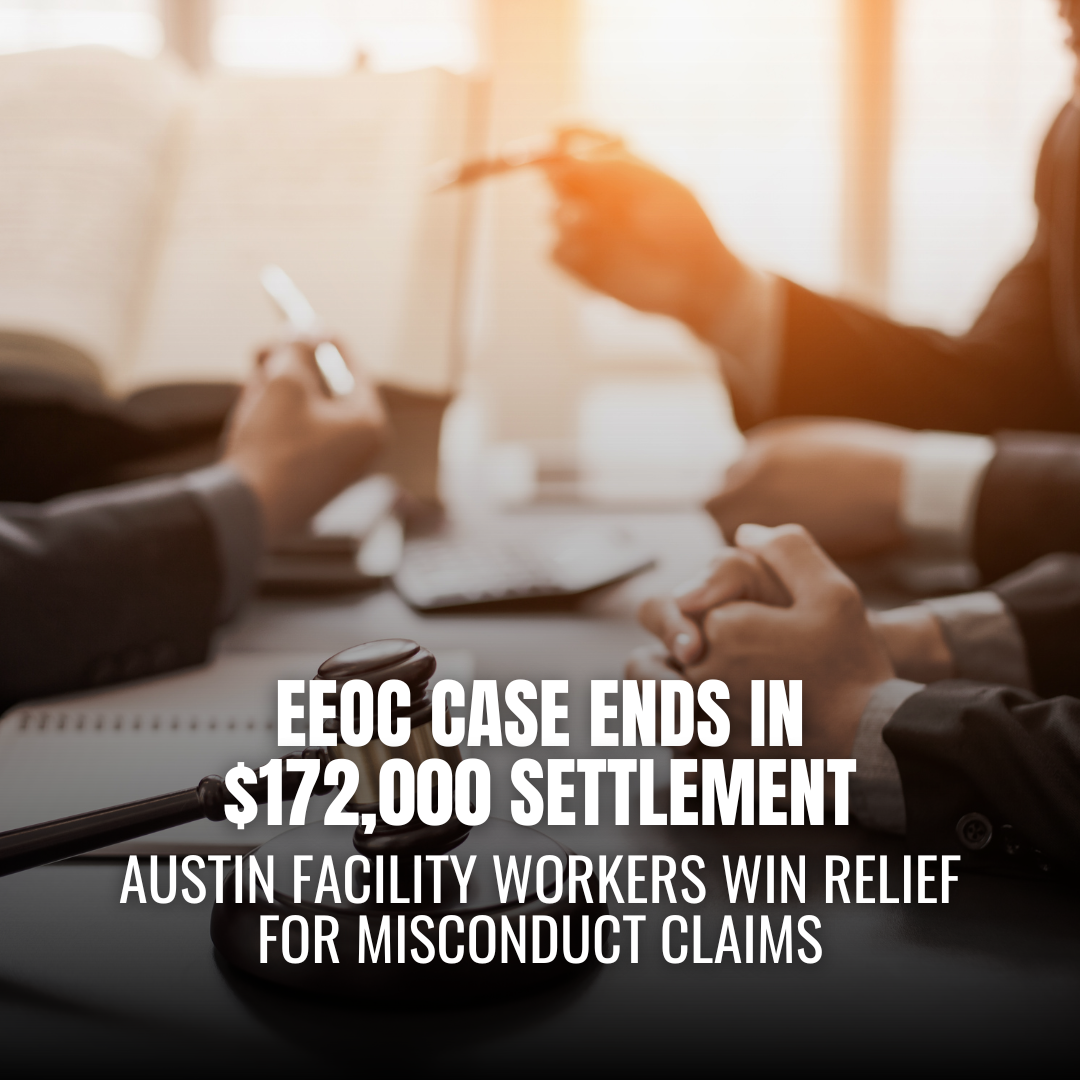
Altman Specialty Plants to Pay $172,000 in EEOC Sexual Harassment and Retaliation Case
Background
Altman Specialty Plants, LLC, the largest horticultural grower in the United States, has reached a settlement with the U.S. Equal Employment Opportunity Commission (EEOC) after an investigation into workplace misconduct. The case centered on sexual harassment and retaliation claims at the company’s Austin, Texas facility.
Incident Details
According to the EEOC’s findings, a supervisor at Altman Specialty Plants subjected multiple female employees to ongoing sexual harassment, creating a hostile work environment. When employees reported the harassment, they allegedly faced retaliation, which discouraged further complaints and undermined the company’s anti-discrimination policies.
Altman denied the allegations but participated in the conciliation process to resolve the matter.
Legal Background
The allegations fall under Title VII of the Civil Rights Act of 1964, which prohibits workplace discrimination based on sex, including sexual harassment and retaliation against employees who report such conduct. Title VII requires employers to maintain a safe workplace, take complaints seriously, and prevent retaliation.
Settlement and Relief
To resolve the claims, Altman Specialty Plants agreed to:
- Pay $172,000 in monetary damages to affected employees.
- Revise and implement a stronger complaint procedure.
- Reinforce non-discrimination and non-retaliation policies.
- Provide mandatory training for all Austin location employees on sex discrimination and retaliation.
- Post Equal Employment Opportunity notices in both English and Spanish.
- Ensure oversight of supervisory roles to prevent abuse of authority.
The settlement will be monitored under a three-year conciliation agreement with the EEOC.
Key Takeaways
- Supervisory misconduct is a major liability—employers must monitor individuals in positions of authority to prevent abuse.
- Retaliation compounds violations—punishing employees for reporting misconduct can intensify both legal and financial consequences.
- Strong reporting procedures matter—clear, accessible complaint mechanisms help protect employees and demonstrate compliance.
Conclusion
This case highlights the ongoing risks employers face when harassment and retaliation go unchecked in the workplace. For industries with vulnerable workers, particularly those with language barriers, strict oversight and proactive training are essential to maintaining compliance and safeguarding employees.
Recommendation: TAP Series Sexual Harassment Training
Preventing cases like this starts with education and awareness. TAP Series is a leader in online compliance training, offering sexual harassment prevention programs designed to protect employees and employers alike. With flexible, accessible, and effective training, TAP ensures organizations remain compliant with federal standards while fostering a safer workplace culture.
We know you’re busy—that’s why TAP simplifies the process, providing the tools your team needs to prevent harassment and retaliation before they escalate into costly legal issues. Choosing TAP means partnering with one of the leading names in compliance training.