Pros And Cons Of Multi-unit Living
Buying Property in a Multi-Unit Building: What to Consider
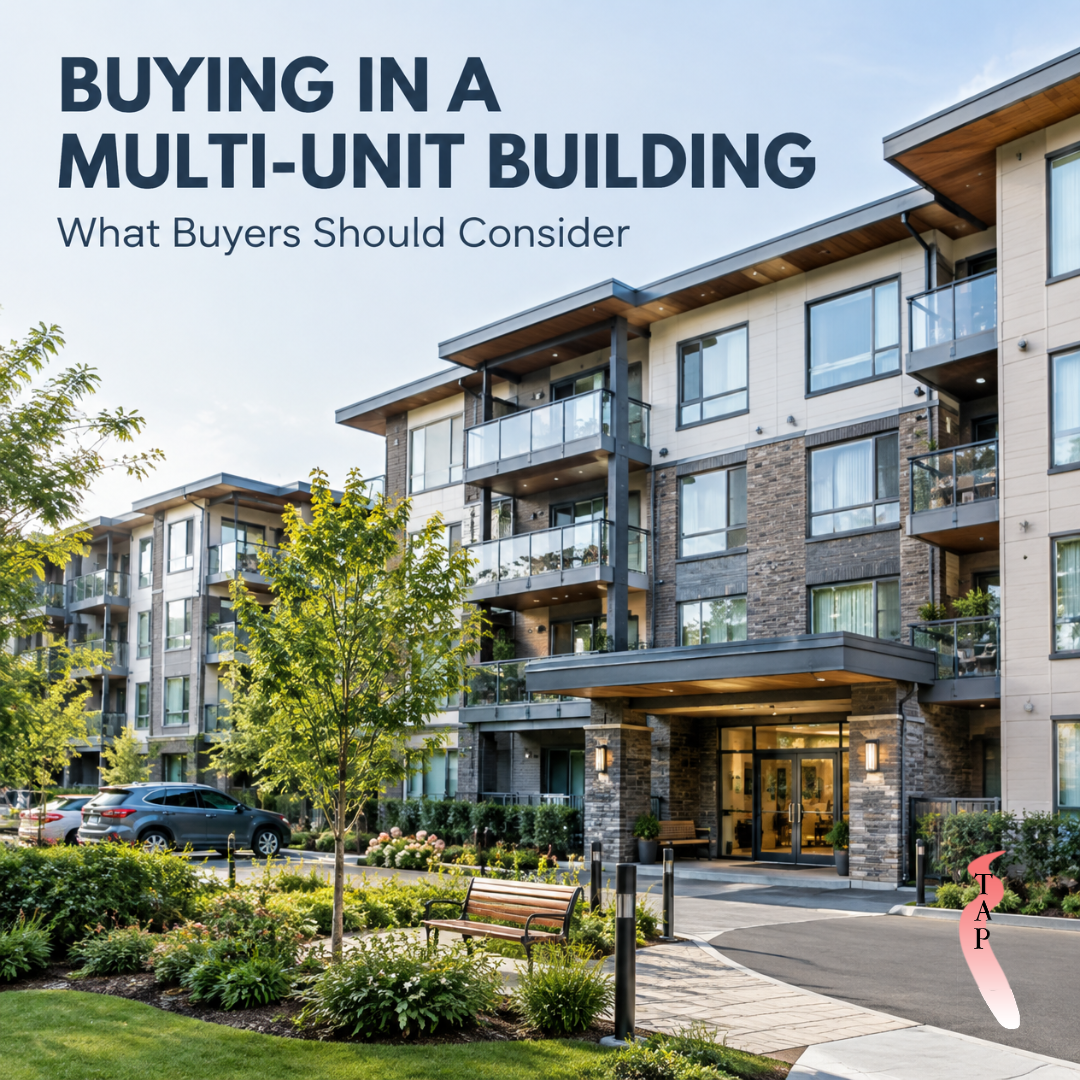
Buying a property in a multi-unit building can offer a different ownership experience from purchasing a standalone house. Apartments, condominiums, and other properties within shared buildings may provide access to communal facilities, convenient locations, and shared maintenance arrangements. However, they can also involve additional fees, building rules, and responsibilities that buyers should understand before making a decision.
If you are considering a unit in a multi-unit building, it is important to look beyond the interior of the property. The condition of shared spaces, the management of the building, noise levels, privacy, and ongoing costs can all influence your experience as an owner.
1. Understand Shared Spaces and Facilities
One of the main differences between a multi-unit property and a standalone home is the presence of shared spaces. Depending on the building, these may include lobbies, hallways, lifts, stairwells, gardens, parking areas, swimming pools, gyms, and rooftop terraces.
Shared facilities can add convenience and provide access to spaces that might be difficult or expensive to maintain privately. However, they also require residents to consider how these areas are managed, maintained, and used.
During a property inspection, pay attention to the cleanliness and condition of common areas. Check whether hallways are well lit, entrances are secure, lifts appear well maintained, and outdoor spaces are cared for. The state of these areas can provide useful insight into the building's overall upkeep, although a viewing alone cannot establish the quality of its management.
It is also worth checking which facilities are available to residents, whether access is restricted, and whether additional charges apply to certain amenities.
2. Review Building Maintenance and Management
In a multi-unit building, some maintenance responsibilities are shared among owners or managed through a building association, owners' corporation, strata scheme, or similar arrangement. The exact structure depends on the property type and local regulations.
Shared responsibilities may include maintaining the roof, exterior walls, lifts, fire safety systems, plumbing infrastructure, common lighting, and landscaped areas. While this arrangement can reduce the need for individual owners to organise certain repairs themselves, it does not eliminate the costs associated with maintaining the building.
Before purchasing, investigate how maintenance is organised and who is responsible for different parts of the property. If records are available, review information about recent repairs, planned maintenance, building inspections, and outstanding issues.
A building that appears attractive may still have significant maintenance requirements. Understanding its condition and the way repairs are funded can help you assess the responsibilities that may come with ownership.
3. Account for Ongoing Fees and Potential Additional Costs
Multi-unit properties often involve recurring fees for shared maintenance and building operations. These may cover cleaning, security, insurance for common areas, lift servicing, landscaping, and shared amenities.
The amount charged and the services included can vary considerably between buildings. Some properties may also require additional contributions when major repairs or unexpected expenses arise.
When comparing properties, look beyond the purchase price and consider the total cost of ownership. Review the current fees, what they cover, how often they are charged, and whether there are known plans for increases or major works.
For example, two similar apartments may have different ongoing costs because one building offers extensive facilities while the other has fewer shared services. Neither arrangement is automatically better. The important question is whether the costs are reasonable for the services provided and manageable within your household budget.
4. Read the Building Rules and Ownership Responsibilities
Multi-unit buildings commonly have rules covering the use of shared areas and the behaviour of residents. Depending on the building and its governing documents, these rules may address pets, renovations, noise, parking, rubbish disposal, short-term letting, and the use of communal facilities.
Such rules can help residents share spaces and maintain the building, but they may also limit certain activities. For instance, a buyer who plans to renovate a kitchen or install flooring may need approval before carrying out the work.
Before committing to a purchase, obtain and review the applicable rules, ownership documents, and any relevant building policies. Do not assume that the freedoms available in a standalone house will also apply to a unit within a managed building.
Understanding these requirements can help you determine whether the property suits your lifestyle and future plans.
5. Evaluate Noise and Privacy
Living close to other households can create noise and privacy considerations that are less common in detached homes. Sounds may travel through shared walls, floors, ceilings, plumbing systems, hallways, or open windows.
Potential sources of noise include neighbouring televisions, footsteps, lifts, building equipment, communal facilities, and activity in nearby streets. The level of disturbance can depend on the building's construction, layout, maintenance, and resident behaviour.
During a viewing, pay attention to sounds from adjacent units and common areas. If possible, visit at different times of day to understand how the environment changes. Ask about the building's sound insulation and investigate any known noise concerns.
Privacy also deserves attention. Consider the position of windows and balconies, the visibility of neighbouring units, and how easily people can see into your living spaces. Window coverings, balcony screens, and thoughtful room arrangements may help, but some limitations are determined by the building's design.
6. Check Security, Access, and Parking Arrangements
Security arrangements can vary between multi-unit buildings. Some have controlled entry systems, reception areas, security personnel, cameras, or secure parking, while others offer more basic access controls.
Assess how residents and visitors enter the building, how deliveries are handled, and whether shared entrances and parking areas are well maintained. Security features can provide convenience, but their presence does not guarantee that a building is risk-free.
Parking is another important consideration. Confirm whether a parking space is included with the property, assigned for exclusive use, separately owned, or shared under specific rules. Check visitor parking arrangements and whether the space is practical for your vehicle.
If you rely on public transport, also consider the walking distance to stops or stations, nearby services, and how easy it is to access the building at different times.
7. Consider Amenities and Their Practical Value
Facilities such as gyms, swimming pools, gardens, lounges, and shared workspaces may improve the convenience of living in a multi-unit building. However, amenities also require maintenance and may contribute to ongoing fees.
Think about which facilities you would genuinely use and whether they justify their associated costs. A building with extensive amenities may be appealing, but a simpler property could be more suitable if you prefer lower shared expenses or do not need those features.
Also consider how amenities affect everyday living. A unit next to a pool, lift, gym, or communal gathering area may experience more activity than one located farther away.
Make an Informed Decision About Multi-Unit Ownership
Buying property in a multi-unit building involves evaluating more than the unit itself. Shared spaces, maintenance arrangements, recurring fees, building rules, noise, privacy, security, and amenities can all influence your ownership experience.
Before purchasing, review the relevant documents, understand the division of responsibilities, and assess the building as carefully as the individual property. Consider how its arrangements fit your budget, lifestyle, and long-term plans.
A well-informed decision comes from understanding both the convenience and the responsibilities of shared ownership. By evaluating the entire building alongside the unit, you can develop a clearer picture of what living in a multi-unit property may involve.