Disability Law Compliance
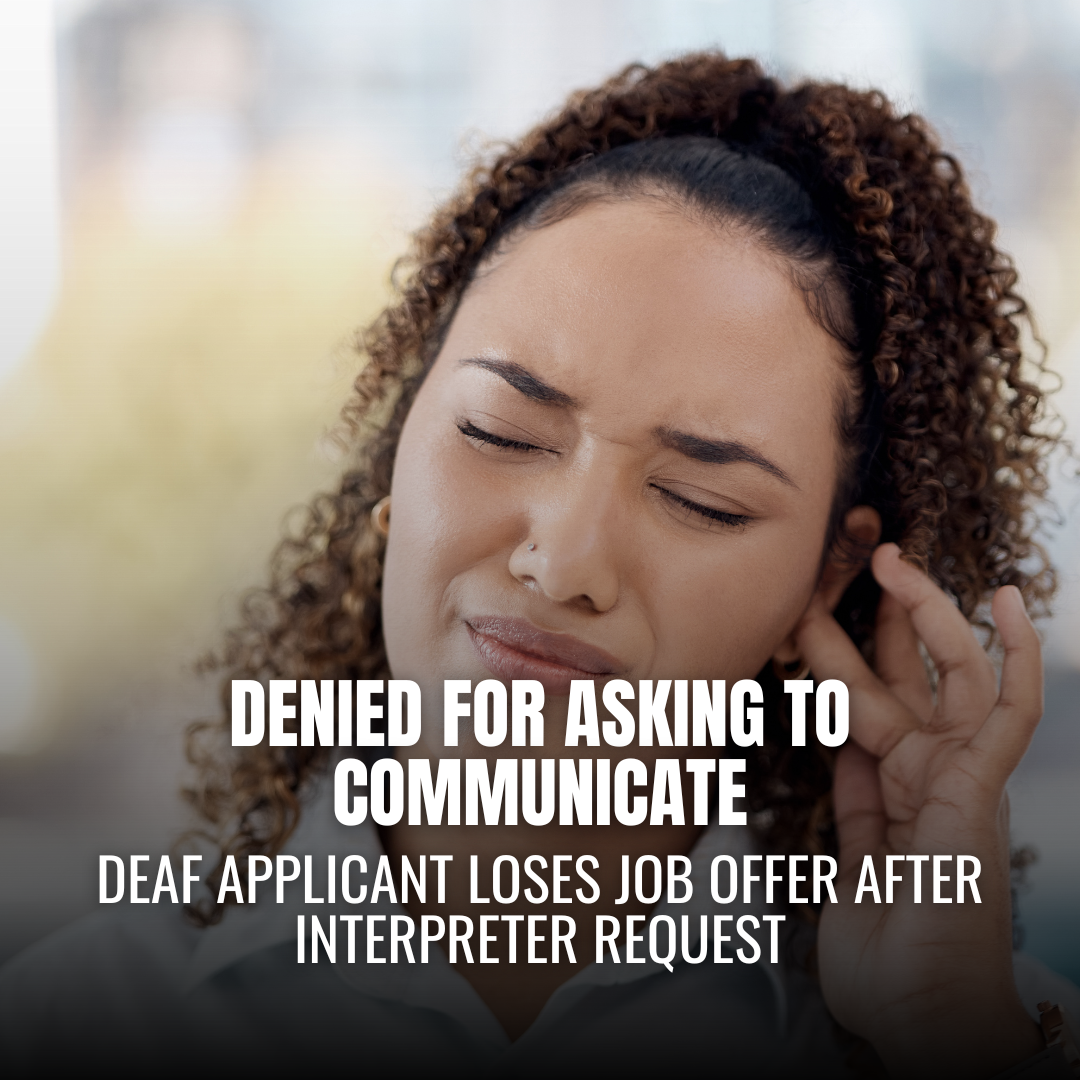
Amazon Delivery Partner Sued After Deaf Applicant Denied Interpreter and Job Offer Revoked
Background
A disability discrimination lawsuit has been filed against ALM Freight, LLC—an Amazon Delivery Service Partner—and LMDmax Corp., the employment agency handling its onboarding. The case centers on allegations that a deaf applicant was denied a reasonable accommodation during the hiring process at ALM’s Pontiac, Michigan facility.
Incident Details
According to court documents, a deaf applicant applied for a delivery driver position with ALM Freight in November 2022 and was offered the job. She worked with LMDmax to complete onboarding paperwork and successfully passed her background check.
Before her scheduled start date, she requested an American Sign Language (ASL) interpreter so she could fully understand the required orientation. LMDmax responded by informing her—via text message—that ALM does not provide interpreters and would not move forward with her hiring. The lawsuit states that ALM was aware of her request and approved LMDmax’s decision to withdraw the job offer.
The EEOC alleges that the decision was based solely on the applicant’s disability and her need for an accommodation.
Legal Background
The allegations fall under the Americans with Disabilities Act (ADA), which prohibits employers from:
- Discriminating against qualified individuals with disabilities in any aspect of employment
- Refusing to hire an applicant because they request a reasonable accommodation
- Failing to provide reasonable accommodations unless doing so would cause undue hardship
Orientation, training, and onboarding are considered essential parts of the hiring process, and employers must adjust these processes as needed to ensure equal access.
The lawsuit was filed in the U.S. District Court for the Eastern District of Michigan after conciliation efforts did not lead to a resolution.
Settlement Status
As of the filing, the case is active and unresolved. The lawsuit seeks monetary damages for the applicant, policy changes, training requirements, and injunctive relief to prevent future violations.
Key Takeaways
- Withdrawing a job offer because an applicant needs an accommodation violates the ADA, even before the employee’s first day of work.
- Orientation and onboarding must be accessible, and employers must provide reasonable accommodations unless they can prove undue hardship.
- Third-party employment agencies and host employers share responsibility for compliance when jointly involved in hiring decisions.
Conclusion
This case underscores the importance of accessibility in all stages of employment, including hiring and orientation. Employers and staffing partners must ensure their policies and practices support applicants with disabilities, respond appropriately to accommodation requests, and avoid decisions that could be viewed as discriminatory. As the lawsuit moves forward, it serves as a reminder that ADA compliance begins the moment an applicant applies—not after they start work.