EEOC Restaurant Industry
Applebee's Operator Settlement Highlights the Importance of Protecting Young Workers from Workplace Harassment
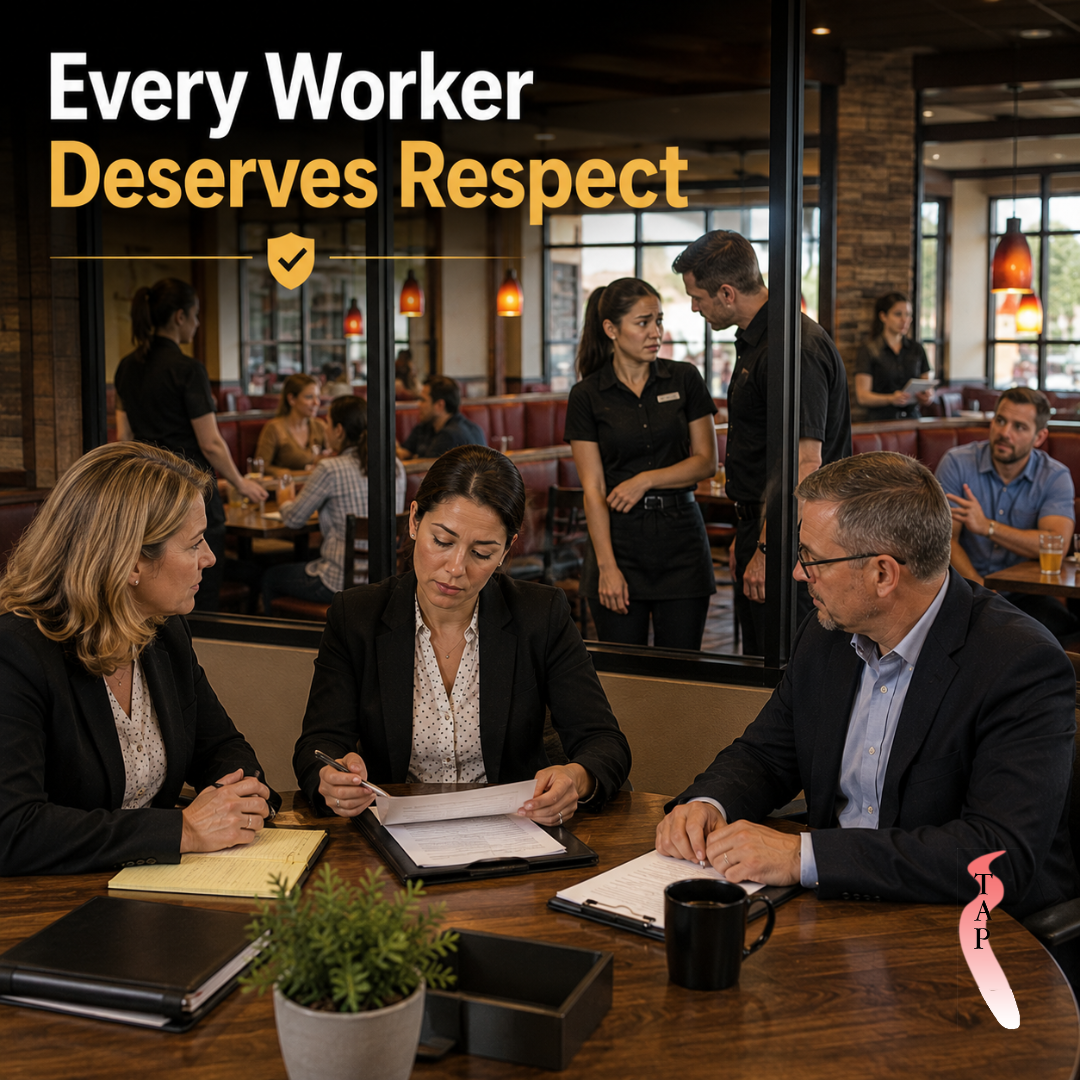
Employers have a responsibility to provide workplaces where employees, particularly younger workers, are protected from harassment and retaliation. A recent U.S. Equal Employment Opportunity Commission (EEOC) settlement involving Quality Restaurant Concepts, LLC, an Applebee's franchise operator, underscores the importance of promptly addressing harassment complaints, holding managers accountable, and maintaining effective workplace reporting procedures.
Background of the Case
The EEOC filed a lawsuit against Quality Restaurant Concepts, LLC (QRC), which operates approximately 60 Applebee's-branded restaurants across the southeastern United States.
According to the EEOC, female employees at the company's Chelsea, Alabama restaurant were subjected to a sexually hostile work environment beginning in approximately April 2023. The lawsuit was filed after the EEOC attempted to resolve the matter through its administrative conciliation process.
The case, EEOC v. Quality Restaurant Concepts, LLC d/b/a Applebee's, Case No. 2:24-cv-1331, was filed in the U.S. District Court for the Northern District of Alabama.
Details of the Incident
According to the EEOC's allegations, at least six female employees experienced ongoing workplace harassment involving managers, coworkers, and customers.
The complaint alleges the conduct included:
- Unwelcome sexual comments
- Unwanted sexual advances
- Offensive workplace conduct
- Unwanted physical contact
The EEOC further alleged that:
- Management failed to stop inappropriate conduct by supervisors, employees, and customers.
- Complaints were not adequately addressed.
- The general manager continued supervising young female employees despite prior allegations involving another restaurant.
- A complaint from a minor employee involving an older bartender was not handled appropriately.
- Several female employees felt compelled to resign because of the alleged hostile work environment.
These allegations were resolved through a settlement and were not decided by a court following trial.
Legal Background
Title VII of the Civil Rights Act of 1964 prohibits workplace discrimination because of sex, including sexual harassment.
Employers are expected to:
- Investigate harassment complaints promptly.
- Take effective corrective action.
- Protect employees from retaliation.
- Provide a workplace free from harassment by supervisors, coworkers, and, where appropriate, customers.
- Exercise additional care when employing younger workers who may be particularly vulnerable.
Strong reporting procedures and management accountability play an important role in maintaining workplace compliance.
Settlement Status and Relief
Under the settlement, Quality Restaurant Concepts agreed to provide both monetary and injunctive relief.
The settlement includes:
- $270,000 in monetary relief
- Mandatory workplace training
- Policy revisions
- Enhanced reporting obligations
- Additional compliance measures designed to improve complaint handling and management accountability
These measures are intended to strengthen workplace protections and improve future compliance.
Key Takeaways from the Case
Employers should consider several important compliance lessons from this settlement:
Protect younger employees
- Young workers should receive the same workplace protections as every employee, with additional attention given to their vulnerability.
Respond promptly to every complaint
- Reports involving supervisors, coworkers, or customers should all receive immediate attention.
Hold management accountable
- Leaders are responsible for preventing harassment and responding appropriately when concerns arise.
Address customer misconduct
- Employers should take reasonable steps when customers engage in inappropriate workplace behavior.
Strengthen reporting procedures
- Employees should have confidential, accessible methods for reporting concerns.
Provide ongoing training
- Regular education reinforces workplace expectations and reporting responsibilities.
Broader Implications for Employers
This settlement highlights the unique compliance challenges faced by restaurants and other customer-facing businesses where employees regularly interact with supervisors, coworkers, and guests.
Organizations should regularly review:
- Harassment reporting procedures
- Manager accountability
- Customer conduct policies
- Anti-retaliation protections
- Documentation practices
- Training programs for managers and employees
Creating a respectful workplace requires leadership commitment, consistent enforcement, and effective complaint resolution.
The Importance of Sexual Harassment Training
Sexual Harassment Training | TAP Series®
Comprehensive workplace education helps organizations reinforce respectful workplace expectations while preparing employees and supervisors to respond appropriately to concerns.
Training should address:
- Recognizing prohibited workplace conduct
- Reporting procedures
- Supervisor responsibilities
- Customer harassment awareness
- Retaliation prevention
- Investigation and documentation expectations
Training should be supported by clear workplace policies, accessible reporting systems, and consistent leadership accountability.
Conclusion
The EEOC's settlement with Quality Restaurant Concepts demonstrates the importance of protecting employees from workplace harassment while responding promptly and effectively to complaints. Although the case was resolved through settlement, it reinforces the need for strong workplace policies, leadership accountability, employee education, and reporting procedures that encourage employees to raise concerns without fear of retaliation.