Choosing The Right Home
Buying a Home Alone: What Lifestyle Factors Should You Consider?
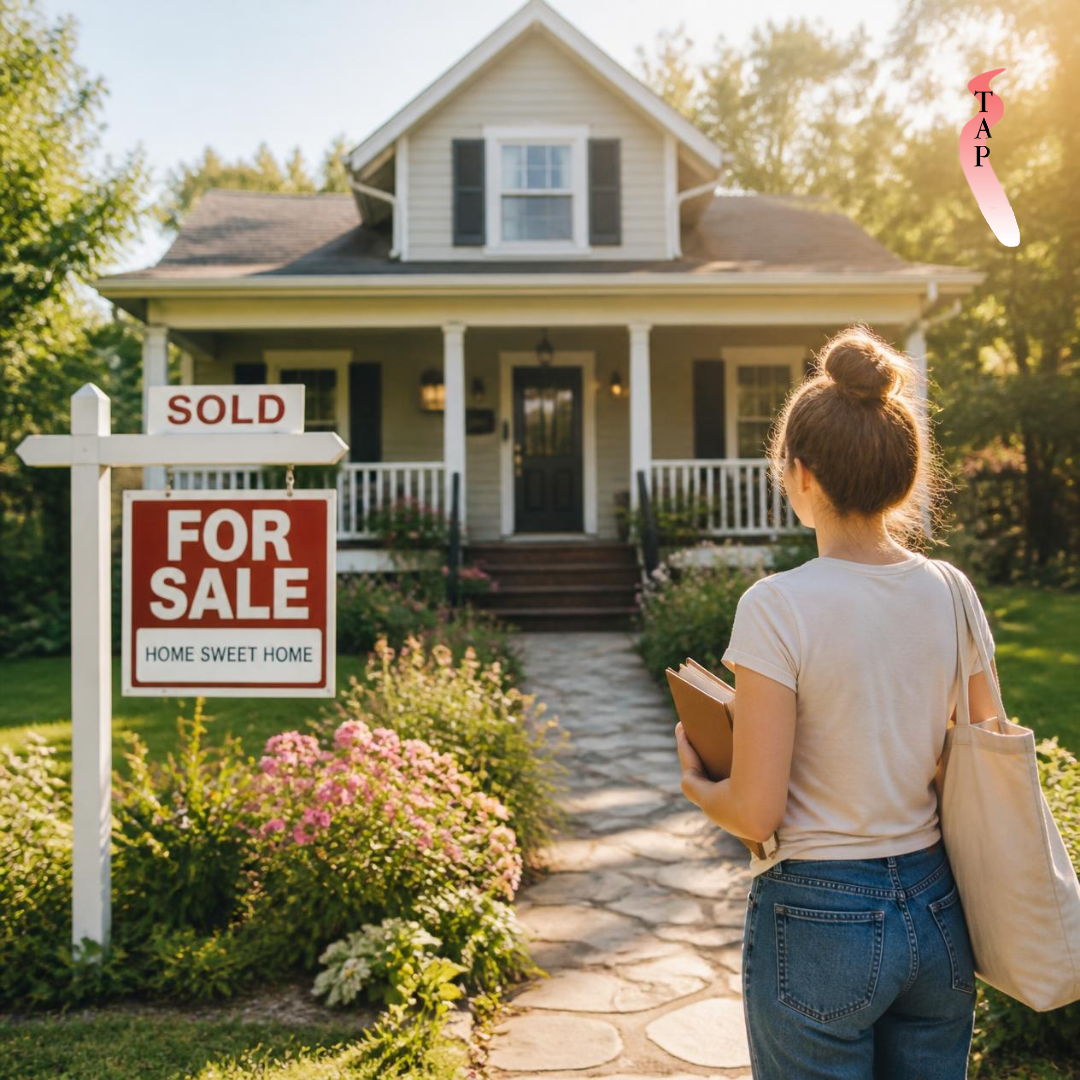
Buying a home alone can provide greater freedom to choose a property based on your own preferences, routines, and priorities. Without having to accommodate another person's needs, you may have more flexibility when deciding where to live, how much space you want, and which features matter most.
At the same time, living alone means taking responsibility for the property's costs, maintenance, security, and everyday upkeep. Considering these lifestyle factors can help you determine whether a home is practical for your current circumstances and suitable for your future plans.
Consider What You Can Comfortably Afford
Affordability is an important consideration when buying a home alone because the property's ongoing costs will need to fit within your individual budget.
Look beyond the purchase price and consider recurring expenses such as utilities, insurance, maintenance, property-related fees, and transportation. A larger property may provide more space, but it can also require more upkeep and household resources.
Understanding the overall cost of living in a property can help you compare homes based on their practical impact on your lifestyle.
Choose a Location That Fits Your Routine
Location can have a significant effect on everyday life, particularly when you are the sole person managing your household.
Consider how close the property is to work, shops, healthcare services, recreational areas, family, friends, and other places you visit regularly. Think about transportation options as well as the time and cost involved in getting around.
A convenient location may also make it easier to maintain social connections and participate in activities outside the home.
Think About Maintenance Responsibilities
Living alone means you may be responsible for arranging or completing many routine maintenance tasks yourself. These can include lawn care, cleaning, minor repairs, and general property upkeep.
Consider whether the home's size, outdoor areas, and condition match the amount of maintenance you are comfortable managing.
A smaller or simpler property may be easier to maintain, while a larger home may provide additional space but require more time and attention.
Evaluate Security and Privacy
Security can be an important lifestyle consideration for people living alone. Look at the property's doors, windows, locks, lighting, fencing, and visibility from the street.
The surrounding neighborhood also matters. Consider how comfortable you feel arriving home at different times of day and whether the property provides the level of privacy you prefer.
Think about practical features such as outdoor lighting, secure entrances, and clear visibility around the property rather than focusing on any single security feature.
Determine How Much Space You Need
Living alone does not necessarily mean you need a small home. Your space requirements will depend on how you use your property.
You may want an additional room for working from home, hobbies, exercise, guests, or storage. At the same time, unused rooms can add cleaning, furnishing, and maintenance responsibilities.
Consider your actual routines and activities when deciding how much space is useful.
Consider Your Commute
If you regularly travel to work or other commitments, commuting can have a noticeable effect on your daily routine.
Consider travel time, transportation options, traffic, parking, and the costs associated with getting to and from the property.
For remote workers, occasional trips to an office or other locations may still be relevant. A home that provides a comfortable living environment but creates an impractical commute may not be the best overall fit.
Think About Your Social Lifestyle
Living alone does not mean spending all your time at home. Consider how the property supports your social life and the activities you enjoy.
If you regularly host friends or family, you may want a comfortable living room, dining area, guest room, or outdoor entertaining space. If you prefer a quieter lifestyle, you may place greater importance on privacy and neighborhood noise.
Think about how you actually expect to use the home rather than choosing features simply because they are available.
Consider Outdoor Space
A yard, balcony, patio, or garden can provide valuable personal space, but outdoor areas also require maintenance.
Think about whether you enjoy gardening, outdoor recreation, entertaining, or simply having access to a private outdoor area. If you prefer low-maintenance living, a smaller outdoor space may be more practical.
The amount of outdoor space should reflect your lifestyle and willingness to maintain it.
Plan for Long-Term Lifestyle Needs
Your circumstances may change after you buy a home. Work arrangements, relationships, hobbies, mobility, and household needs can all evolve.
Consider whether the property offers enough flexibility to accommodate reasonable changes. An additional room, adaptable layout, useful storage, or convenient location may become valuable as your lifestyle develops.
This does not mean predicting exactly what your future will look like. Instead, consider whether the property gives you options if your needs change.
Consider How You Will Handle Unexpected Responsibilities
Homeownership can involve unexpected tasks and expenses. When living alone, there may not be another household member available to share these responsibilities.
Consider how you would manage routine repairs, property maintenance, emergencies, and other practical matters. It can be useful to understand the condition of the home and the systems that require ongoing care before making a purchase.
Thinking about these responsibilities in advance can help you assess whether the property suits your preferred level of independence and involvement.
Final Thoughts
Buying a home alone gives you the freedom to make decisions around your own lifestyle, but it also means taking responsibility for the property's costs, maintenance, security, and everyday management.
Affordability, location, space, commute, privacy, security, and future flexibility can all influence whether a property works well for you. By evaluating these factors together rather than focusing only on the home's appearance, you can make a more informed decision about whether a property fits the way you want to live.