Sexual Harassment Prevention
Chili’s Grill & Bar in Prosper, Texas, Settles EEOC Sexual Harassment Case for $75,000
Background
Chili’s Grill & Bar, owned by Brinker International Payroll Company L.P., has agreed to settle a sexual harassment lawsuit filed by the U.S. Equal Employment Opportunity Commission (EEOC). The lawsuit alleged that young female employees at the Prosper, Texas, location were subjected to a sexually hostile work environment that was ignored by management.
The restaurant industry, which employs a high number of young workers, has long struggled with workplace harassment. This case highlights the responsibility of employers to implement strong protections for employees, especially vulnerable teenage workers who may be unfamiliar with their workplace rights.
The Incident
According to the EEOC’s lawsuit, a 36-year-old male employee at Chili’s engaged in inappropriate behavior toward a 16-year-old female coworker, including making repeated sexual comments. The harassment escalated when he groped and kissed the teenager while at work.
Despite complaints from the victim, management failed to take proper action, relying instead on an offsite telephonic “Team Member Relations” inquiry rather than conducting a thorough on-site investigation. The EEOC also alleged that:
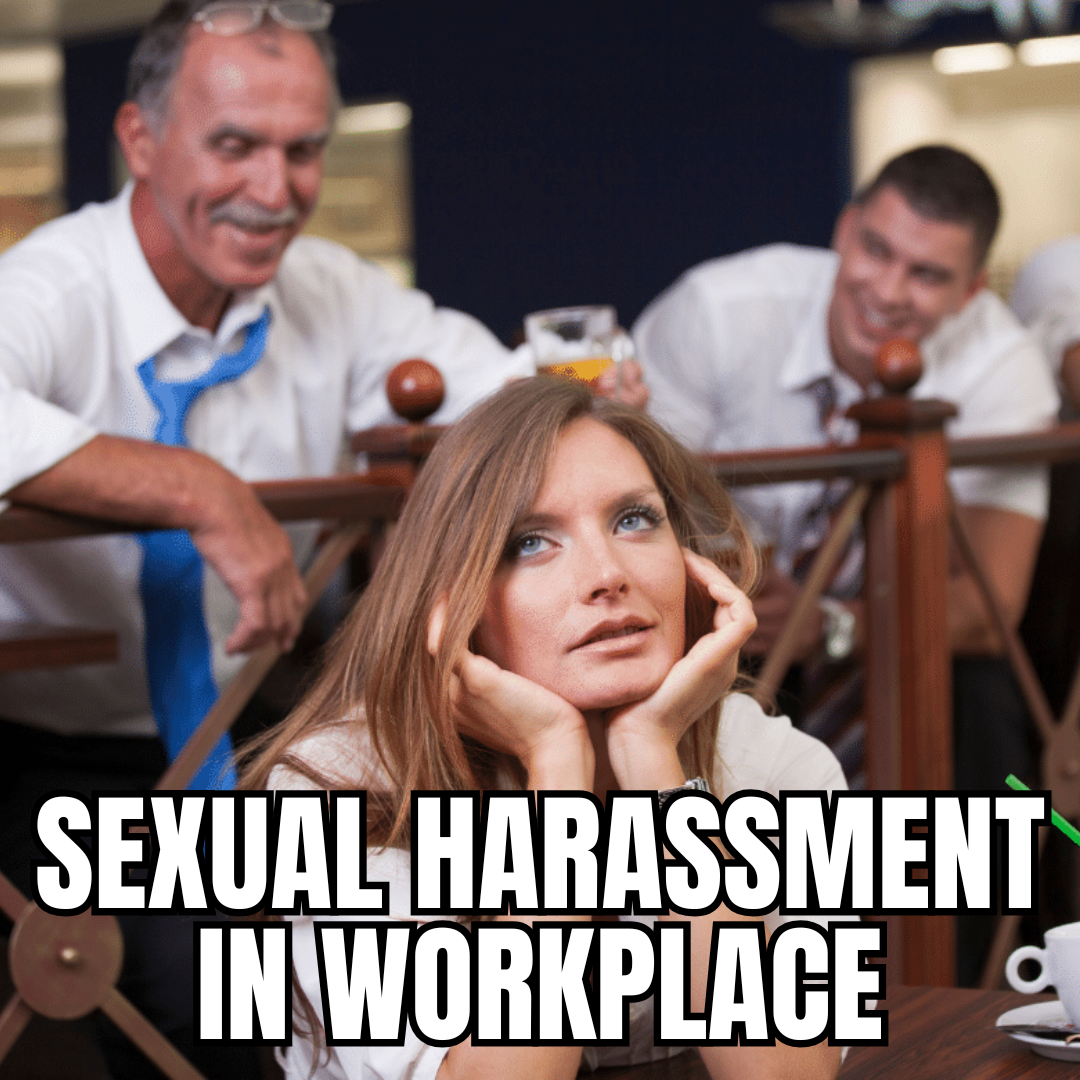
- Other male employees openly made sexual remarks toward young female employees in front of managers without facing consequences.
- Employees were not properly trained on the company’s anti-harassment policies.
- Managers failed to monitor the workplace for misconduct or intervene when inappropriate behavior occurred.
As a result, the EEOC claimed that Chili’s allowed a culture of harassment to persist, putting young employees in a hostile work environment.
Legal Background
The lawsuit was filed under Title VII of the Civil Rights Act of 1964, which prohibits workplace discrimination based on sex, including sexual harassment and retaliation against employees who report such behavior.
After attempting to resolve the matter through conciliation, the EEOC proceeded with legal action in the U.S. District Court for the Northern District of Texas, Dallas Division (Case No. 3:22-cv-02017).
Settlement and Relief Measures
As part of a court-approved consent decree, Chili’s will:
- Pay $75,000 in monetary relief to the two affected employees.
- Implement mandatory sexual harassment training for all employees at the Prosper, Texas, location.
- Provide annual training for management on identifying and responding to workplace harassment.
- Regularly report to the EEOC on any new sexual harassment complaints at the Prosper location, detailing:
- The names and positions of both the complainant and the alleged harasser.
- The dates and descriptions of reported incidents.
- The actions taken by human resources to address the complaint.
The decree, signed by U.S. District Judge Ada Brown on November 11, 2023, prohibits Chili’s from engaging in future discrimination or retaliation.
Key Takeaways
- Failure to take action against workplace harassment can lead to legal and financial consequences. Employers must actively investigate and respond to complaints.
- Teenage workers are particularly vulnerable to harassment. Companies employing young staff must provide clear reporting procedures and proper training to ensure their safety.
- Corporate policies must be actively enforced, not just written. Having an anti-harassment policy is ineffective if managers do not implement it or take complaints seriously.
Conclusion
The settlement in this case serves as a critical reminder that businesses must do more than simply have anti-harassment policies in place—they must actively enforce them and protect their employees. Chili’s failure to properly address sexual harassment complaints resulted in legal action, reputational damage, and a financial settlement.
To prevent future incidents, restaurants and similar businesses must foster a culture of accountability, proper training, and prompt corrective action when harassment occurs.
Recommendation: Sexual Harassment Training with TAP Series
To ensure compliance with Title VII and foster a safe workplace, TAP Series Sexual Harassment Training offers structured, interactive courses that educate employees and management on preventing and addressing harassment. Implementing consistent and thorough training can help businesses reduce legal risks and create a workplace culture of respect and safety.