Harassment Prevention Training
EEOC Lawsuit Alleges Widespread Sexual Harassment at FCA US Detroit Assembly Plant
Background of the Case
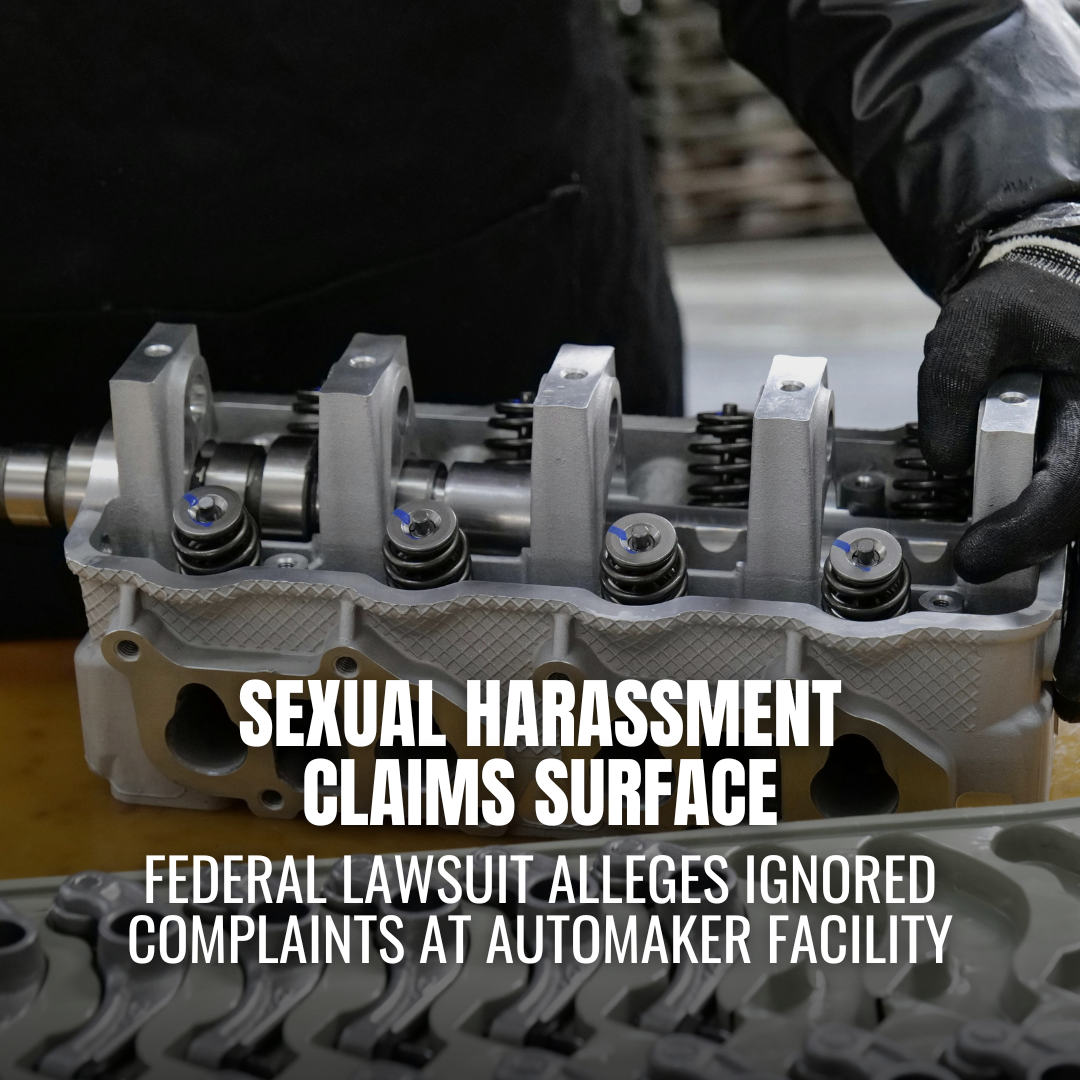
FCA US LLC, an international automobile manufacturer, is facing a federal lawsuit after allegations surfaced involving sexual harassment at one of its major manufacturing facilities. The case centers on reported conduct at the Detroit Assembly Complex, where multiple female production employees allegedly experienced ongoing harassment in the workplace. The lawsuit reflects broader concerns about how large employers handle internal harassment complaints and whether corrective measures are implemented promptly and effectively.
Details of the Alleged Harassment
According to the lawsuit, female employees at FCA’s Detroit Assembly Complex were subjected to repeated sexual harassment by male supervisors and co-workers. The alleged conduct included sexually explicit comments and unwanted physical contact. Several employees formally reported these incidents through company channels, putting the employer on notice of the behavior.
Despite these complaints, the lawsuit alleges that FCA failed to respond adequately. Some complaints were reportedly ignored altogether, while others were addressed only after significant delays or without meaningful corrective action. In certain instances, the alleged harassers were not disciplined. The ongoing hostile work environment reportedly became so severe that at least one female employee felt compelled to resign from her position.
Legal Background
The allegations fall under Title VII of the Civil Rights Act of 1964, a federal law that prohibits employment discrimination based on sex, including sexual harassment. Under Title VII, employers have a legal obligation to prevent harassment, investigate complaints promptly, and take appropriate corrective action when misconduct is identified. Failure to do so can result in legal liability, even if the employer did not directly engage in the harassing behavior.
The lawsuit was filed in the U.S. District Court for the Eastern District of Michigan after pre-litigation efforts to resolve the matter through the EEOC’s administrative conciliation process were unsuccessful.
Settlement Status and Relief Sought
At the time of filing, the lawsuit seeks relief designed to address both individual and systemic harm. This includes remedies for affected employees, such as compensatory damages, as well as injunctive relief aimed at preventing future harassment. Such relief typically involves policy revisions, enhanced reporting procedures, mandatory training, and ongoing oversight to ensure compliance with federal law.
Key Takeaways from the Case
- Employers may be held liable when harassment complaints are ignored, delayed, or inadequately addressed.
- A hostile work environment can exist even in industrial or traditionally male-dominated workplaces.
- Failure to discipline harassers and correct workplace behavior increases legal and financial risk.
Broader Implications for Employers
This case highlights the consequences organizations face when sexual harassment complaints are not handled with urgency and seriousness. Beyond potential financial penalties, lawsuits of this nature can damage workplace culture, employee trust, and public reputation. Employers across all industries are reminded that proactive prevention, clear reporting channels, and consistent enforcement of policies are essential components of compliance.
Why Sexual Harassment Training Matters
One of the most effective ways organizations can reduce risk and foster a respectful workplace is through comprehensive sexual harassment training. TAP Series stands out as a leading partner in online compliance training, helping employers meet legal requirements while promoting safer work environments. As the leader in online compliance training, TAP Series understands that employers are busy and need solutions that are practical, engaging, and easy to implement.
By simplifying the training experience and focusing on real-world scenarios, TAP Series equips employees and leaders with the knowledge to recognize, prevent, and properly respond to harassment before it escalates into legal action. Investing in effective training is not only a compliance measure but a critical step in protecting employees and the organization as a whole.
Conclusion
The lawsuit against FCA US LLC underscores the importance of taking sexual harassment complaints seriously and responding decisively. Employers that fail to act risk violating federal law and exposing their organizations to significant liability. Proactive compliance efforts, including strong policies and trusted training partners like TAP Series, play a crucial role in preventing harassment and maintaining lawful, respectful workplaces.