Employee Harassment Training
EEOC Sues Slim Chickens Franchisee Over Alleged Race, Sex Harassment and Retaliation
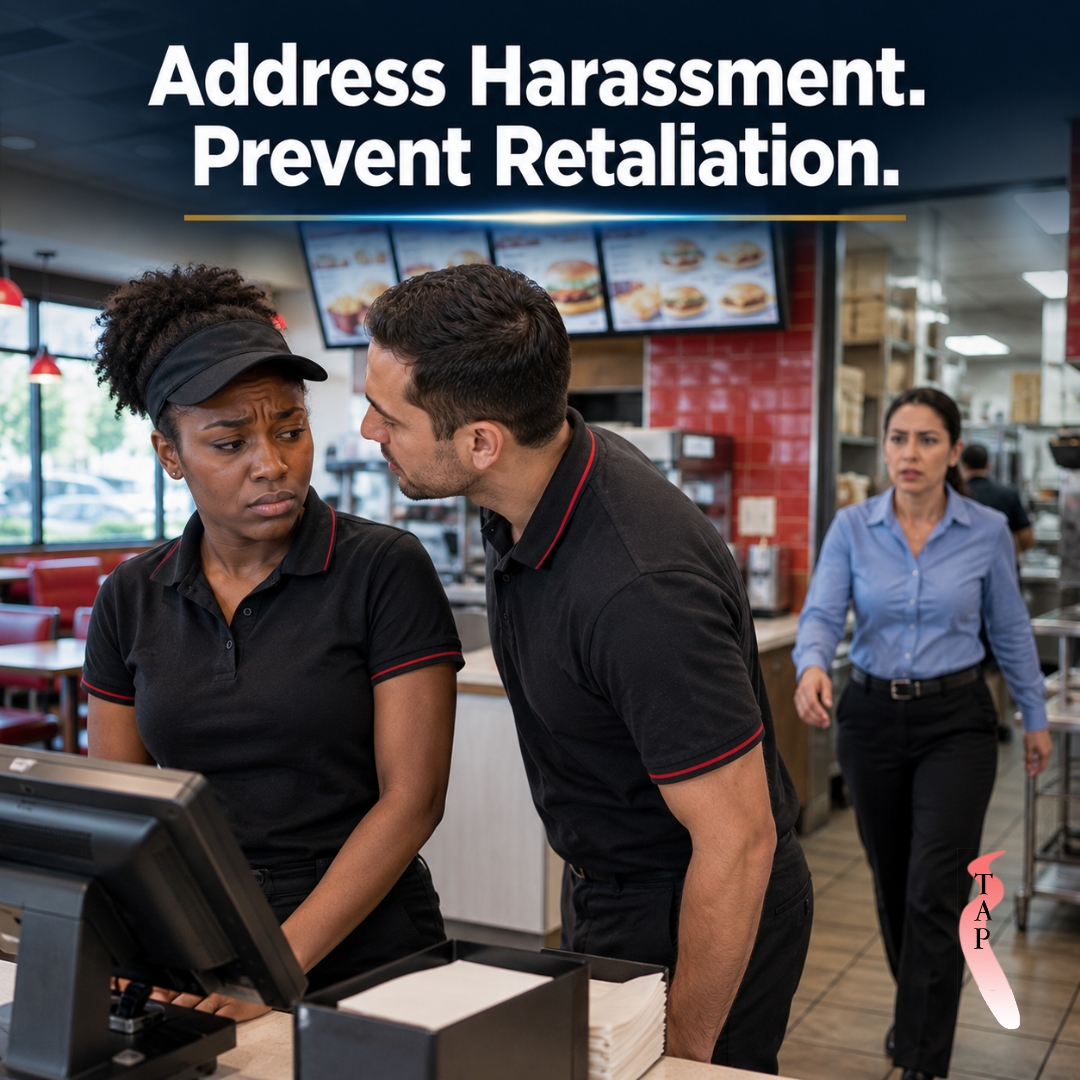
Workplace harassment can involve more than one protected characteristic, and employers have a responsibility to address complaints promptly when employees report inappropriate conduct. A recent U.S. Equal Employment Opportunity Commission (EEOC) lawsuit against TNT Chicken, Inc., a franchise operator of Slim Chickens restaurants, highlights the importance of responding to reports of racial and sexual harassment while protecting employees from retaliation.
According to the EEOC, a Black female employee at a Sioux Falls, South Dakota, restaurant was subjected to alleged sexual and race-based harassment by a shift lead. The lawsuit further alleges that management failed to stop the conduct after the employee complained and later retaliated against her, including by reducing her work hours.
Background of the Case
TNT Chicken, Inc. operates fried chicken restaurants under the Slim Chickens brand. The EEOC filed its lawsuit in the U.S. District Court for the District of South Dakota after first attempting to resolve the matter through its administrative conciliation process.
The case, EEOC v. TNT Chicken, Inc. d/b/a Slim Chickens, Case No. 4:26-cv-4132, concerns allegations arising from employment at one of the company's Sioux Falls locations.
The lawsuit alleges violations of Title VII of the Civil Rights Act of 1964, which prohibits employment discrimination and harassment based on protected characteristics including race and sex.
Details of the Incident
According to the EEOC's lawsuit, the alleged harassment began in November 2023, when a new Black female employee was reportedly subjected to repeated inappropriate conduct by a restaurant shift lead.
The allegations include:
- Unwanted sexual comments.
- Offensive comments about Black women.
- Racial slurs.
- Physical threats of violence.
- Continued harassment after the employee reported the conduct to management.
The EEOC alleges that management failed to stop the reported harassment. The lawsuit further claims that the company retaliated against the employee, including by reducing her working hours.
According to the complaint, the employee ultimately resigned because the working environment had become intolerable.
These allegations have not been adjudicated. The lawsuit represents claims brought by the EEOC, and the allegations should not be treated as established facts.
Legal Background
Title VII of the Civil Rights Act of 1964 prohibits discrimination because of race and sex, including workplace harassment based on those characteristics. The law also protects employees who oppose unlawful discrimination from retaliation.
For employers, this means harassment prevention efforts should address multiple forms of workplace misconduct rather than treating racial and sexual harassment as completely separate concerns.
Employers should establish procedures that allow employees to:
- Report harassment to appropriate management personnel.
- Raise concerns without fear of retaliation.
- Access alternative reporting channels when their direct supervisor is involved.
- Receive appropriate responses when complaints are made.
Managers and supervisors should also understand that receiving a complaint can create an obligation for the organization to take appropriate action.
Settlement Status and Relief Sought
This matter is currently a federal lawsuit rather than a completed settlement.
The EEOC filed the action after its pre-litigation conciliation efforts did not resolve the allegations. The lawsuit seeks relief under Title VII, and the judicial process will determine the outcome of the claims.
At the time of the EEOC's announcement, no settlement or court judgment had been reported.
Key Takeaways from the Case
This case offers several compliance lessons for employers, particularly restaurants and other businesses with shift-based workforces.
- Act when employees report harassment. Management should not ignore complaints or assume inappropriate conduct will resolve itself.
- Address racial and sexual harassment together. Workplace policies should clearly prohibit harassment based on race, sex, and other protected characteristics.
- Protect employees who complain. Changes to schedules, hours, duties, or employment status should be carefully reviewed when they involve employees who recently reported misconduct.
- Train supervisors. Shift leads and managers should know how to recognize harassment and what steps to take when employees raise concerns.
- Take threats seriously. Allegations involving threats of physical violence require an appropriate and timely response focused on employee safety.
- Provide alternative reporting channels. Employees should have ways to report concerns beyond the person accused of misconduct or their immediate supervisor.
Broader Implications for Employers
The case demonstrates why harassment prevention should be part of an organization's broader workplace compliance program.
Restaurants often operate through multiple shifts and rely heavily on shift leads and managers to supervise employees. This structure makes supervisor training particularly important because frontline leaders may be the first people to receive complaints.
Employers can strengthen their programs by:
- Establishing clear anti-harassment policies.
- Providing multiple methods for employees to report concerns.
- Training managers and shift leaders on complaint response procedures.
- Investigating complaints promptly and impartially.
- Documenting reports, investigations, and corrective actions appropriately.
- Reviewing employment decisions involving employees who recently raised complaints for potential retaliation concerns.
- Reinforcing expectations for respectful workplace conduct throughout the organization.
A workplace compliance program should address both prevention and response. Employees need to understand what conduct is prohibited, while supervisors need practical guidance on what to do when concerns arise.
The Importance of Sexual Harassment Training
Sexual harassment training can help employees and supervisors understand workplace expectations and their responsibilities when inappropriate conduct is reported.
Sexual Harassment Training | TAP Series®
Training can reinforce:
- Employee awareness: Employees can learn to recognize inappropriate sexual conduct and understand that racial and sexual harassment are prohibited forms of workplace misconduct.
- Reporting procedures: Workers can become familiar with available channels for reporting concerns.
- Supervisor responsibilities: Managers and shift leaders can learn how to respond appropriately when an employee reports harassment.
- Workplace respect: Training can reinforce professional communication and respectful interactions among employees.
- Prevention strategies: Employers can incorporate training into broader efforts to identify and address workplace harassment.
Training should be supported by clear policies, accessible reporting procedures, appropriate investigations, and consistent action when complaints are received. It is one component of a broader workplace compliance program rather than a substitute for effective management practices.
Conclusion
The EEOC's lawsuit against TNT Chicken highlights the importance of responding appropriately when employees report racial or sexual harassment. According to the agency's allegations, the employee reported repeated inappropriate conduct but continued to experience an unacceptable workplace environment and later faced alleged retaliation.
Employers should regularly review their harassment prevention policies, supervisor training, reporting procedures, and retaliation safeguards. Effective workplace harassment prevention requires employees to understand their rights and responsibilities while giving managers the tools needed to respond appropriately when concerns are raised.