Compliance Training For Employers
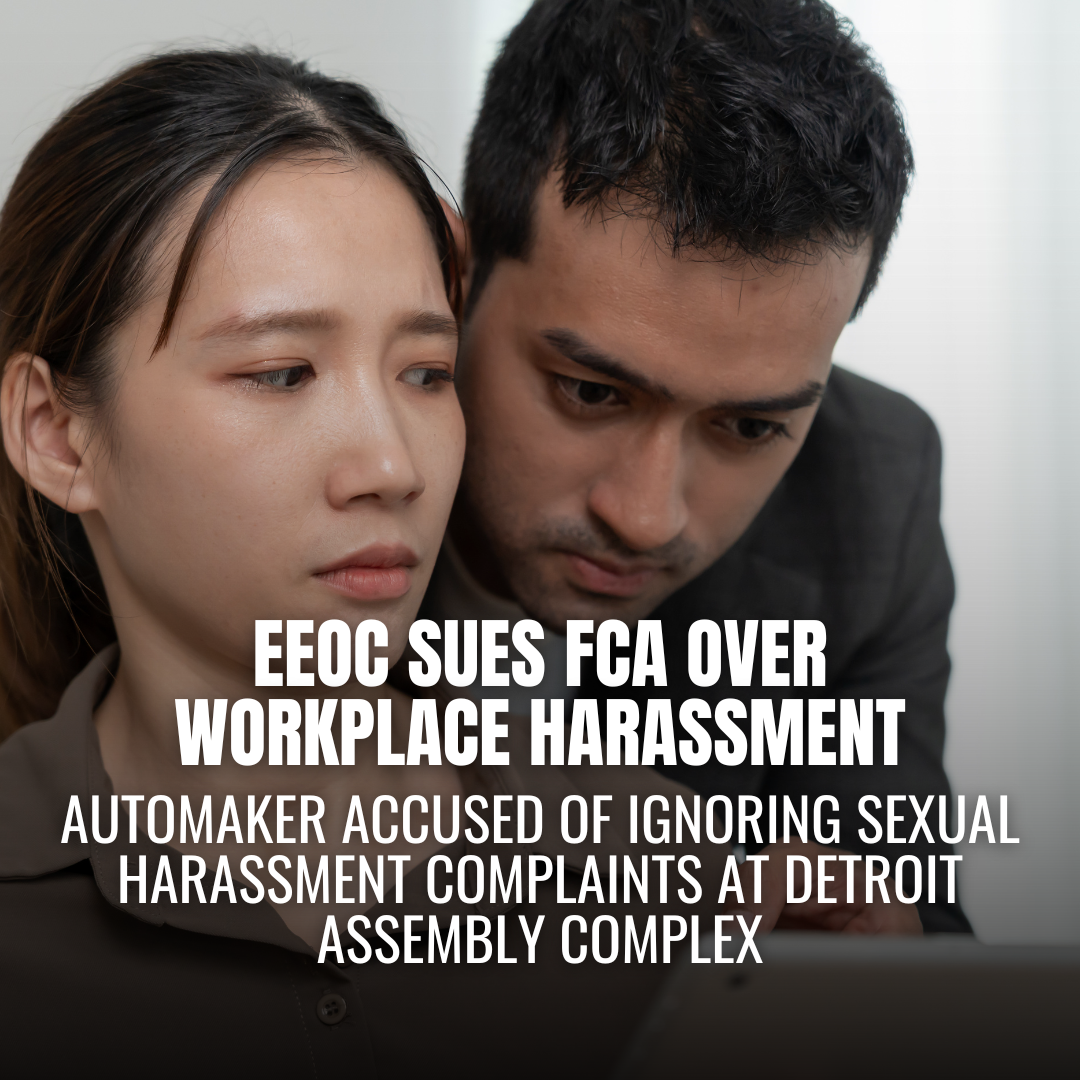
FCA US Faces EEOC Lawsuit Over Sexual Harassment at Detroit Plant
Background
The U.S. Equal Employment Opportunity Commission (EEOC) has filed a federal lawsuit against FCA US LLC, a major automobile manufacturer, over allegations that it failed to prevent and address ongoing sexual harassment at its Detroit Assembly Complex. The case highlights a pattern of workplace misconduct that reportedly forced at least one female employee to resign.
Incident Details
According to the EEOC’s complaint, several female production employees at the Detroit Assembly Complex experienced repeated sexual harassment from male supervisors and co-workers. The alleged conduct included sexually explicit remarks, inappropriate touching, and other forms of unwanted behavior that created a hostile work environment.
Despite multiple complaints from employees, FCA US allegedly ignored or delayed investigations, and in some cases, failed to take any corrective action. The company also did not appropriately discipline the individuals responsible for the harassment. As a result, the environment remained unsafe for the victims, with one female employee ultimately resigning due to the ongoing mistreatment.
Legal Background
The alleged actions violate Title VII of the Civil Rights Act of 1964, a federal law that prohibits discrimination based on sex, including sexual harassment and retaliation for reporting such behavior. Title VII requires employers to take prompt and effective measures to stop and prevent workplace harassment once they are aware of it.
The EEOC filed the lawsuit (Case No. 2:25-cv-10174) in the U.S. District Court for the Eastern District of Michigan after unsuccessful attempts to reach a voluntary pre-litigation settlement with the automaker.
Relief and Settlement Goals
The EEOC seeks monetary compensation and injunctive relief on behalf of the affected employees. The agency aims to ensure FCA US adopts stronger anti-harassment policies, provides comprehensive training for all supervisors and staff, and establishes clear reporting mechanisms to protect employees from future harassment and retaliation.
Key Takeaways
- Employer Accountability: Companies must take immediate and meaningful action when harassment complaints are made, regardless of position or seniority.
- Legal Protection: Employees have the right to a workplace free from sexual harassment under Title VII of the Civil Rights Act.
- Preventive Action Matters: Regular compliance training and proactive policy enforcement are essential to prevent toxic workplace environments.
Conclusion
This case serves as a reminder that workplace culture must be grounded in respect and accountability. Ignoring or minimizing sexual harassment not only violates federal law but can also result in severe financial and reputational consequences. Employers in all industries — including manufacturing — must ensure that employees feel safe and supported when raising concerns about misconduct.
Recommendation: Prevent Harassment with TAP Series Training
To prevent incidents like this, organizations should invest in comprehensive Sexual Harassment Prevention Training. TAP Series is a leader in online compliance training, providing flexible, interactive, and effective courses designed to help businesses meet federal and state requirements.
With TAP Series, your team gains the knowledge and awareness needed to identify, report, and stop harassment before it escalates. We understand that managers and HR professionals are busy — that’s why TAP simplifies compliance through easy-to-access training modules that fit your schedule.
Empower your workplace with TAP Series and take proactive steps toward a safe, respectful, and legally compliant environment.