Employer Recordkeeping Obligations
Federal Court Orders Vallarta Supermarkets to Produce Hiring Records in EEOC Discrimination Probe
Background
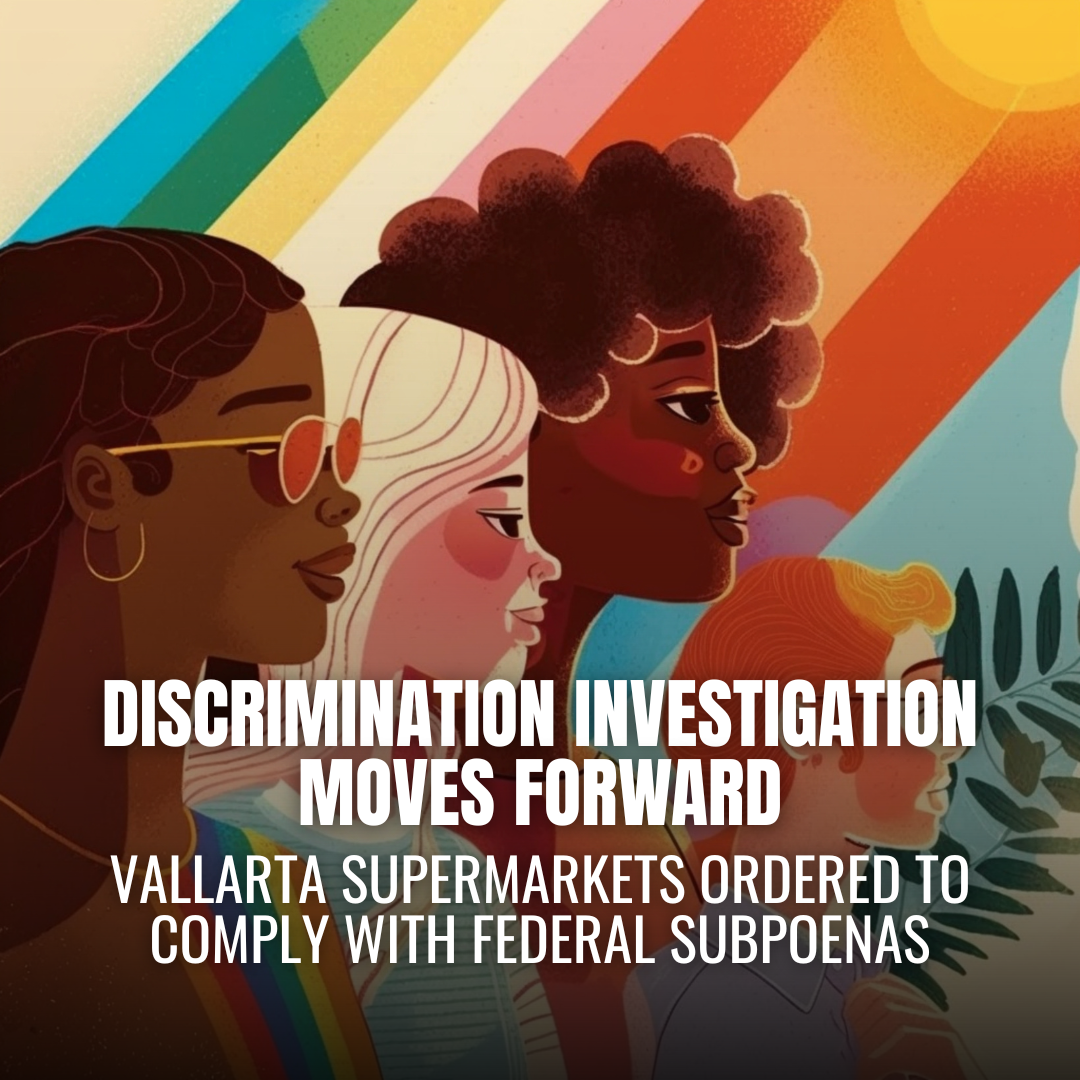
A federal investigation into alleged discriminatory hiring practices at Vallarta Supermarkets has escalated following a court order compelling the grocery chain to comply with government subpoenas. The case stems from commissioner-initiated charges examining whether the company systematically excluded certain racial and national origin groups from employment opportunities across its California locations.
Allegations and Investigation
The Equal Employment Opportunity Commission initiated charges alleging that Vallarta Food Enterprises, Inc., and several affiliated companies engaged in discriminatory recruitment, hiring, or promotion practices. The charges focus on claims that individuals identified as white, Black, Asian, and non-Hispanic were allegedly excluded from employment consideration.
In September 2024, the EEOC issued subpoenas seeking applicant and employee data to evaluate whether the company’s hiring practices violated federal anti-discrimination laws. When Vallarta Supermarkets did not fully comply with the requests, the agency sought judicial enforcement.
Court Ruling
In July 2025, the U.S. District Court for the Central District of California ordered Vallarta Supermarkets and its related entities to fully comply with the subpoenas. The court required the production of applicant flow data and employment records necessary for the EEOC to assess whether unlawful hiring practices occurred.
The ruling emphasized the limited scope of judicial review in subpoena enforcement actions, reinforcing the principle that courts generally defer to the EEOC when the agency seeks information relevant to an active discrimination investigation.
Legal Background
Title VII of the Civil Rights Act of 1964 prohibits employment discrimination based on race, color, religion, sex, and national origin. The law authorizes the EEOC to investigate charges of discrimination and grants the agency subpoena power to obtain records relevant to determining compliance.
Federal courts have consistently upheld the EEOC’s authority to compel employers to provide employment data when such information is reasonably related to an investigation. Employers are required to cooperate unless they can demonstrate that a subpoena is overly burdensome or unrelated to the inquiry.
Relief and Compliance Requirements
While the case does not involve monetary penalties or a settlement at this stage, the court’s order mandates full compliance with the EEOC’s investigative subpoenas. Vallarta Supermarkets must now produce comprehensive employment and hiring data, allowing the investigation to proceed.
Failure to comply with such court orders can result in further legal consequences, including contempt proceedings or additional enforcement actions.
Key Takeaways
- Employers must respond fully to EEOC subpoenas when information is relevant to a discrimination investigation.
- Courts typically grant broad deference to the EEOC’s investigative authority under Title VII.
- Incomplete or delayed compliance can escalate an administrative inquiry into federal court proceedings.
Conclusion
The court’s order against Vallarta Supermarkets highlights the legal obligations employers face during federal discrimination investigations. Even before liability is determined, failure to cooperate with lawful information requests can result in court intervention. For employers, the case underscores the importance of maintaining transparent hiring practices and responding promptly to regulatory inquiries to avoid prolonged legal exposure.