Supervisor Harassment Training
Fitch Irick Management EEOC Sexual Harassment Settlement Emphasizes Employer Responsibility to Act on Workplace Complaints
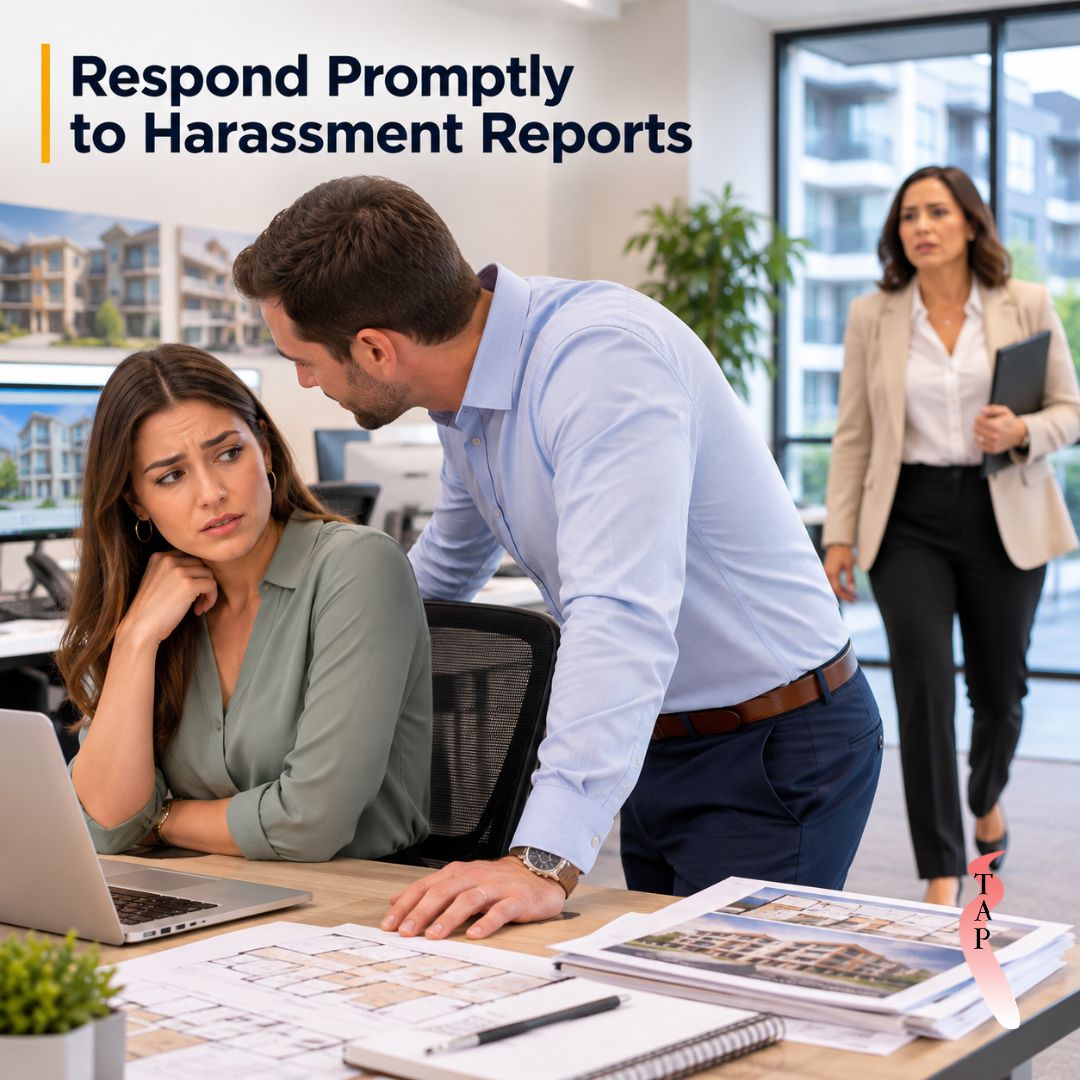
Sexual harassment complaints require prompt and effective action from employers. When reports are ignored or handled inadequately, organizations may face significant legal and financial consequences. A recent U.S. Equal Employment Opportunity Commission (EEOC) settlement involving Fitch Irick Management, LLC demonstrates the importance of responding appropriately to harassment complaints and ensuring employees are protected from further harm.
According to the EEOC, the property management company agreed to resolve a federal lawsuit alleging that it failed to adequately address reports of sexual harassment and allowed conditions that ultimately led an employee to resign.
Background of the Case
Fitch Irick Management, LLC, formerly known as GEM Management, LLC, is a North Carolina-based property management company.
The EEOC filed suit after first attempting to resolve the matter through its administrative conciliation process. The lawsuit was filed in the U.S. District Court for the Eastern District of Kentucky, Lexington Division, alleging violations of Title VII of the Civil Rights Act of 1964.
The litigation concluded with a court-approved consent decree requiring monetary relief and multiple workplace compliance measures.
Details of the Incident
According to the EEOC's allegations, a site manager working at the company's Stanford, Kentucky property reported being sexually harassed by a coworker.
The EEOC alleged that:
- The company was aware of the employee's complaint.
- The reported harassment was not adequately addressed.
- The employee was instructed to continue working alongside the alleged harasser.
According to the complaint, after learning that he had been reported, the coworker allegedly threatened the employee with serious violence.
The EEOC alleged that the company's response allowed a hostile work environment to continue and ultimately caused the employee to resign.
As with all EEOC lawsuits, these allegations were resolved through settlement and should not be interpreted as findings of liability by the court.
Legal Background
Title VII of the Civil Rights Act of 1964 prohibits discrimination based on sex, including workplace sexual harassment.
Employers are generally expected to:
- Investigate harassment complaints promptly.
- Take reasonable steps to stop unlawful conduct.
- Protect employees from retaliation or additional harm.
- Implement corrective measures when necessary.
Failure to respond appropriately after receiving notice of alleged harassment may expose employers to liability under federal law.
Settlement Status and Relief Sought
Under the court-approved consent decree, Fitch Irick Management agreed to:
- Pay $90,000 to the former employee.
- Provide sexual harassment training for management and employees.
- Revise workplace harassment policies.
- Implement additional compliance measures designed to improve the handling of future complaints.
These corrective actions are intended to strengthen the company's workplace harassment prevention efforts.
Key Takeaways from the Case
This settlement highlights several important lessons for employers.
- Every harassment complaint should receive a prompt and thorough investigation.
- Employers should take interim measures to protect employees while investigations are ongoing.
- Employees should never be required to continue working in situations that may expose them to ongoing harassment or credible safety concerns.
- Workplace violence threats should always be treated seriously and addressed immediately.
- Documentation, communication, and timely corrective action are essential components of an effective response.
Broader Implications for Employers
Organizations in every industry should regularly review their harassment response procedures to ensure complaints are handled consistently and effectively.
Best practices include:
- Providing multiple reporting channels.
- Training supervisors to recognize and respond appropriately to complaints.
- Conducting impartial investigations.
- Taking immediate action when employee safety may be at risk.
- Following up to ensure harassment has stopped and retaliation does not occur.
A proactive approach can help foster a workplace culture built on respect, accountability, and employee trust.
The Importance of Sexual Harassment Training
Ongoing education helps employees and supervisors understand their roles in preventing workplace harassment and responding appropriately when concerns are raised.
Sexual Harassment Training | TAP Series®
Training can help reinforce:
- Employee awareness of prohibited workplace conduct.
- Reporting procedures for harassment concerns.
- Supervisor responsibilities during complaint investigations.
- Respectful workplace communication.
- Prevention strategies that support a safe and professional work environment.
While training alone cannot eliminate every workplace issue, it can support broader compliance efforts when combined with effective policies, prompt investigations, and leadership accountability.
Conclusion
The EEOC's settlement with Fitch Irick Management serves as a reminder that employers must respond promptly and effectively when employees report workplace harassment. Appropriate investigations, employee protection measures, and clear workplace policies are critical components of a comprehensive compliance program. By strengthening reporting procedures and providing regular sexual harassment training, employers can better support respectful workplaces while reducing the risk of future legal disputes.