Anonymous Harassment Hotline
Formel D USA Pays $80,000 in Workplace Sexual Harassment and Retaliation Lawsuit Settlement
Background:
Formel D USA, Inc., a quality control service provider for the automotive industry, operates across several states, including Michigan, Alabama, Illinois, Tennessee, and South Carolina. The company became the subject of federal litigation after allegations surfaced that it failed to address and prevent sexual harassment and retaliation at one of its Michigan-based facilities.
Incident Details:
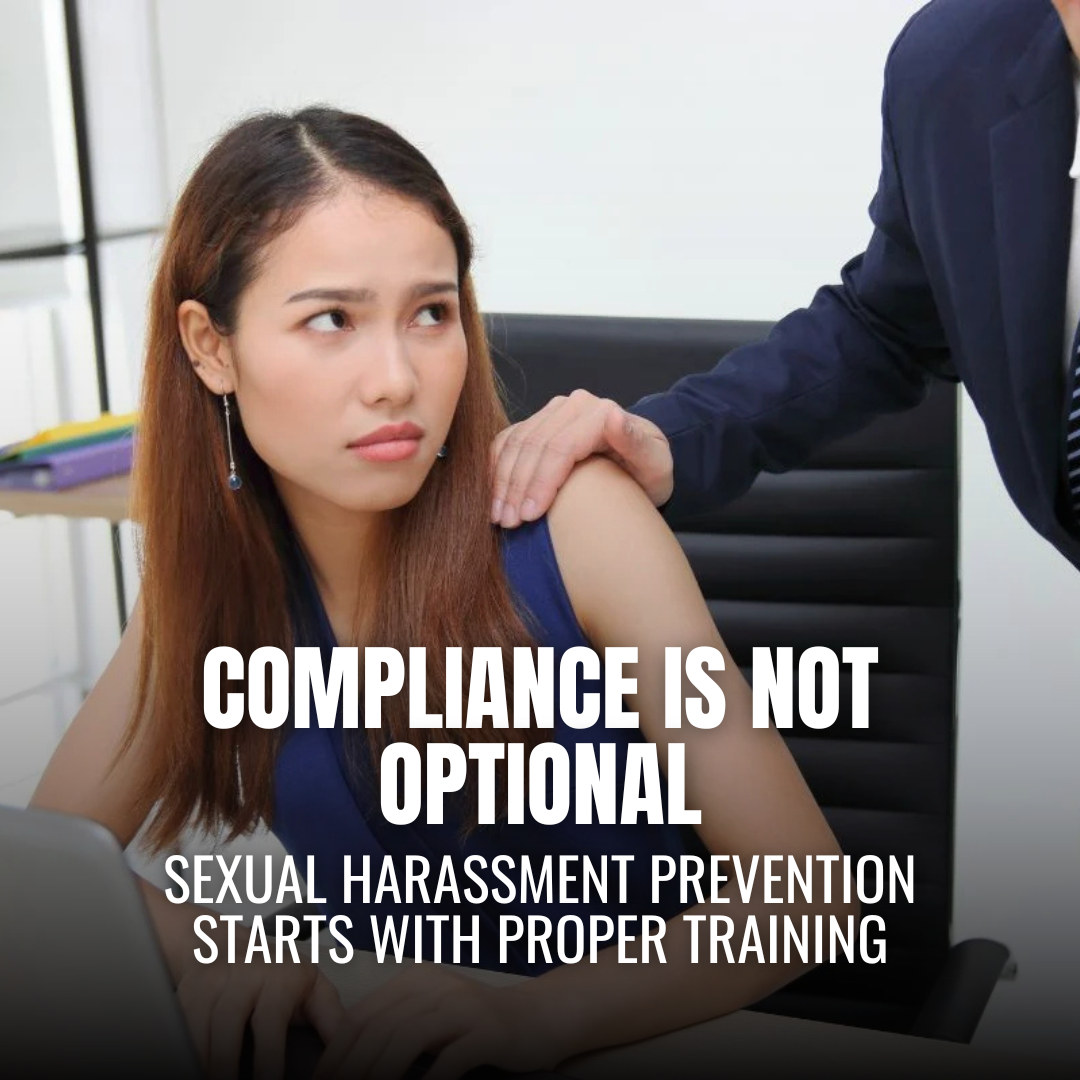
The case centers around a female employee who, shortly after being hired, was subjected to repeated and unwanted sexual advances by her immediate male supervisor. The misconduct included unwelcome physical contact—such as touching, hugging, and kissing—along with exposure to a sexually explicit video in the workplace. When the employee rejected these advances, her work hours were reduced.
Despite escalating the matter to a higher-level manager, the company reportedly failed to intervene. The harassment continued, and the employee was eventually laid off and then terminated. These events formed the basis of a federal lawsuit filed by the U.S. Equal Employment Opportunity Commission (EEOC).
Legal Background:
Title VII of the Civil Rights Act of 1964 prohibits employment discrimination based on sex, which includes sexual harassment. It also protects individuals from retaliation when they report or oppose such unlawful conduct. Employers are obligated under this law to prevent and promptly correct harassment and to ensure employees can report concerns without fear of reprisal.
The EEOC initiated legal action after attempting to resolve the issue through conciliation, a voluntary pre-litigation resolution process. The case was filed in the U.S. District Court for the Eastern District of Michigan under Case No. 23-cv-11479.
Settlement and Relief:
Under a court-approved consent decree, Formel D USA, Inc. agreed to:
- Pay $80,000 in damages to the affected employee.
- Provide a written job reference to support the employee’s future employment opportunities.
- Enforce a six-year injunction prohibiting sexual harassment and retaliation.
- Train all employees on sexual harassment and retaliation prevention.
- Deliver specialized training for managers handling harassment complaints.
- Revise internal policies regarding sexual harassment.
- Post official notices informing employees of their rights.
- Launch a 24-hour third-party anonymous complaint hotline.
- Submit ongoing compliance reports to the EEOC over the next six years.
Key Takeaways:
- Supervisor misconduct carries higher liability – Harassment by individuals in positions of authority reflects a greater legal risk for employers.
- Failure to act on complaints leads to serious consequences – Inaction following internal reports can result in legal and financial repercussions.
- Long-term oversight and reform are enforceable – Courts may impose multi-year compliance requirements to ensure lasting workplace changes.
Conclusion:
The Formel D case illustrates the importance of enforcing robust anti-harassment policies and acting swiftly on employee complaints. It reinforces that employers must be proactive—not reactive—when it comes to maintaining a safe work environment. Failure to do so may not only harm employees but expose companies to significant liability and long-term oversight.
A Call for Proactive Prevention:
Preventing workplace harassment begins with education. The TAP Series offers industry-leading online Sexual Harassment Training, tailored for businesses of all sizes. As a trusted compliance partner, TAP Series simplifies the training process with accessible, self-paced courses designed to meet legal standards and support a respectful workplace.
Stay ahead of risk—train your team with TAP Series, the leader in online compliance training. Because a safe workplace isn’t optional—it’s essential.