Homeownership Budgeting
Hidden Costs of Buying a Home Most First-Time Buyers Forget
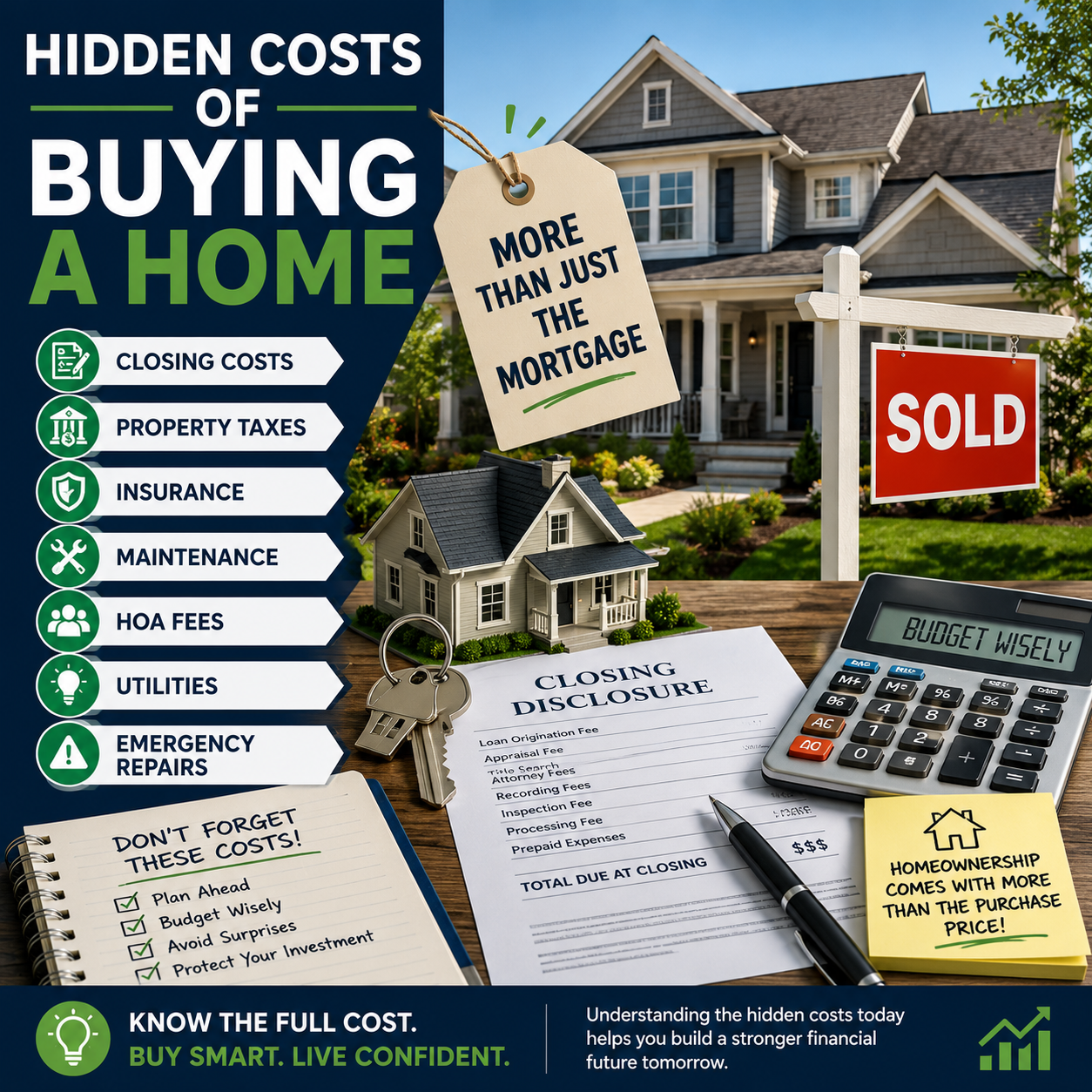
Buying a home is an exciting milestone. For many first-time buyers, it represents financial independence, stability, and the opportunity to build long-term wealth. However, while most buyers focus heavily on saving for a down payment and securing a mortgage, many underestimate the true cost of homeownership.
The purchase price is only one part of the financial commitment. Beyond the mortgage, there are numerous expenses that can catch new homeowners off guard. These hidden costs can strain budgets, create unexpected financial stress, and make a seemingly affordable home much more expensive than anticipated.
Understanding these expenses before buying a property can help first-time buyers prepare financially and avoid costly surprises.
Why Hidden Costs Matter
When calculating affordability, many buyers focus solely on the monthly mortgage payment. While this is an important factor, homeownership comes with ongoing expenses that continue long after closing day.
Failing to account for these costs can lead to:
- Budget shortfalls
- Increased debt
- Reduced savings
- Difficulty handling emergencies
- Financial stress during the first years of ownership
A realistic home-buying budget should include both upfront and long-term expenses to ensure the property remains affordable over time.
Closing Costs: The Expense Many Buyers Overlook
One of the biggest surprises for first-time buyers is the amount due at closing.
Closing costs are fees associated with finalizing the property purchase and mortgage. These expenses are separate from the down payment and are typically paid when ownership transfers to the buyer.
Common closing costs may include:
- Loan origination fees
- Appraisal fees
- Title searches
- Legal or attorney fees
- Recording fees
- Inspection costs
- Mortgage processing charges
Depending on the property value and location, closing costs can add thousands of dollars to the purchase.
Many first-time buyers spend months saving for a down payment only to realize they also need additional funds to cover closing expenses.
Property Taxes Can Add Up Quickly
Property taxes are another cost that often receives less attention during the buying process.
Local governments assess taxes based on the property's value, and these taxes help fund public services such as schools, roads, emergency services, and community infrastructure.
Property tax obligations vary significantly depending on location, property value, local tax rates, and future assessments.
What makes property taxes particularly important is that they can increase over time as property values rise or local governments adjust tax rates.
Before purchasing a home, buyers should research current property tax rates and understand how they may affect long-term affordability.
Homeowners Insurance Is Not Optional
Most mortgage lenders require homeowners insurance as a condition of financing.
Insurance protects the property against risks such as:
- Fire damage
- Storm damage
- Theft
- Vandalism
- Certain natural disasters
The cost of insurance depends on factors such as location, property size, construction type, and coverage limits.
Homes located in flood-prone, hurricane-prone, or high-risk areas may require additional insurance coverage, increasing annual expenses even further.
While insurance may seem like just another bill, it plays a critical role in protecting one of the largest financial investments most people will ever make.
Maintenance Costs Never Truly Stop
Many first-time buyers underestimate how much routine maintenance costs over the life of a home.
Unlike renters, homeowners are responsible for maintaining every aspect of the property.
Regular maintenance expenses may include:
- HVAC servicing
- Plumbing repairs
- Landscaping
- Roof maintenance
- Gutter cleaning
- Appliance servicing
- Exterior upkeep
Even newer homes require ongoing maintenance to preserve value and prevent larger issues from developing.
A common rule of thumb is to set aside a percentage of the home's value each year for maintenance and repairs. While actual costs vary, having a dedicated maintenance budget can help prevent financial surprises.
Homeowners Association (HOA) Fees
For buyers considering condominiums, townhouses, or properties in planned communities, homeowners association fees may become a significant monthly expense.
HOA fees help cover shared amenities and community maintenance, which may include:
- Landscaping
- Security services
- Swimming pools
- Clubhouses
- Common area repairs
- Community management
While these amenities can improve quality of life, the fees can add hundreds of dollars to monthly housing costs.
Additionally, HOA fees may increase over time, and some associations impose special assessments when major repairs or community improvements are required.
Buyers should carefully review HOA documents and fee structures before making a purchase decision.
Emergency Repairs Can Happen at Any Time
One of the biggest financial differences between renting and owning is responsibility for unexpected repairs.
When a major system fails, homeowners cannot simply call a landlord.
Unexpected repairs may include:
- Water heater replacement
- Roof leaks
- Electrical problems
- HVAC system failures
- Foundation issues
- Plumbing emergencies
These repairs can cost hundreds or even thousands of dollars with little warning.
This is why financial experts often recommend maintaining a dedicated emergency fund after purchasing a home. Having cash reserves available can prevent homeowners from relying on credit cards or loans during unexpected situations.
Utility Costs May Be Higher Than Expected
Many first-time buyers focus so heavily on mortgage payments that they forget to account for utility expenses.
Depending on the size and age of the home, utility costs may include:
- Electricity
- Water and sewer services
- Natural gas
- Internet and communication services
- Waste collection
Larger homes generally require more energy to heat and cool, resulting in higher monthly expenses.
Before purchasing a property, buyers should request utility estimates whenever possible to better understand the true cost of ownership.
Furnishing and Moving Expenses
After closing on a home, many buyers discover they still face significant spending needs.
Common post-purchase expenses include:
- Moving services
- New furniture
- Appliances
- Window treatments
- Security systems
- Home improvement projects
Even modest purchases can add up quickly.
While these expenses may not seem directly related to the purchase itself, they are often unavoidable costs associated with transitioning into a new home.
How to Prepare Financially for Hidden Costs
The best way to avoid financial stress is to plan ahead.
Before purchasing a home, buyers should:
- Build a larger savings cushion than expected
- Budget beyond the mortgage payment
- Maintain an emergency fund
- Research local taxes and insurance rates
- Understand HOA obligations
- Factor maintenance costs into affordability calculations
By preparing for both expected and unexpected expenses, buyers can make more confident financial decisions and enjoy greater peace of mind after moving in.
Final Thoughts
Buying a home is about much more than securing a mortgage and making a down payment. Hidden expenses such as closing costs, property taxes, insurance premiums, maintenance, HOA fees, utility bills, and emergency repairs can significantly affect the true cost of ownership.
For first-time buyers, understanding these costs is essential to making a smart financial decision. A home should support long-term financial stability, not create ongoing financial strain.
By looking beyond the purchase price and planning for the full cost of ownership, buyers can enter homeownership with realistic expectations, stronger financial preparedness, and a greater chance of long-term success.