Preventing Workplace Abuse
Home Services Company Faces Federal Lawsuit Over Workplace Sexual Harassment and Retaliation
Background
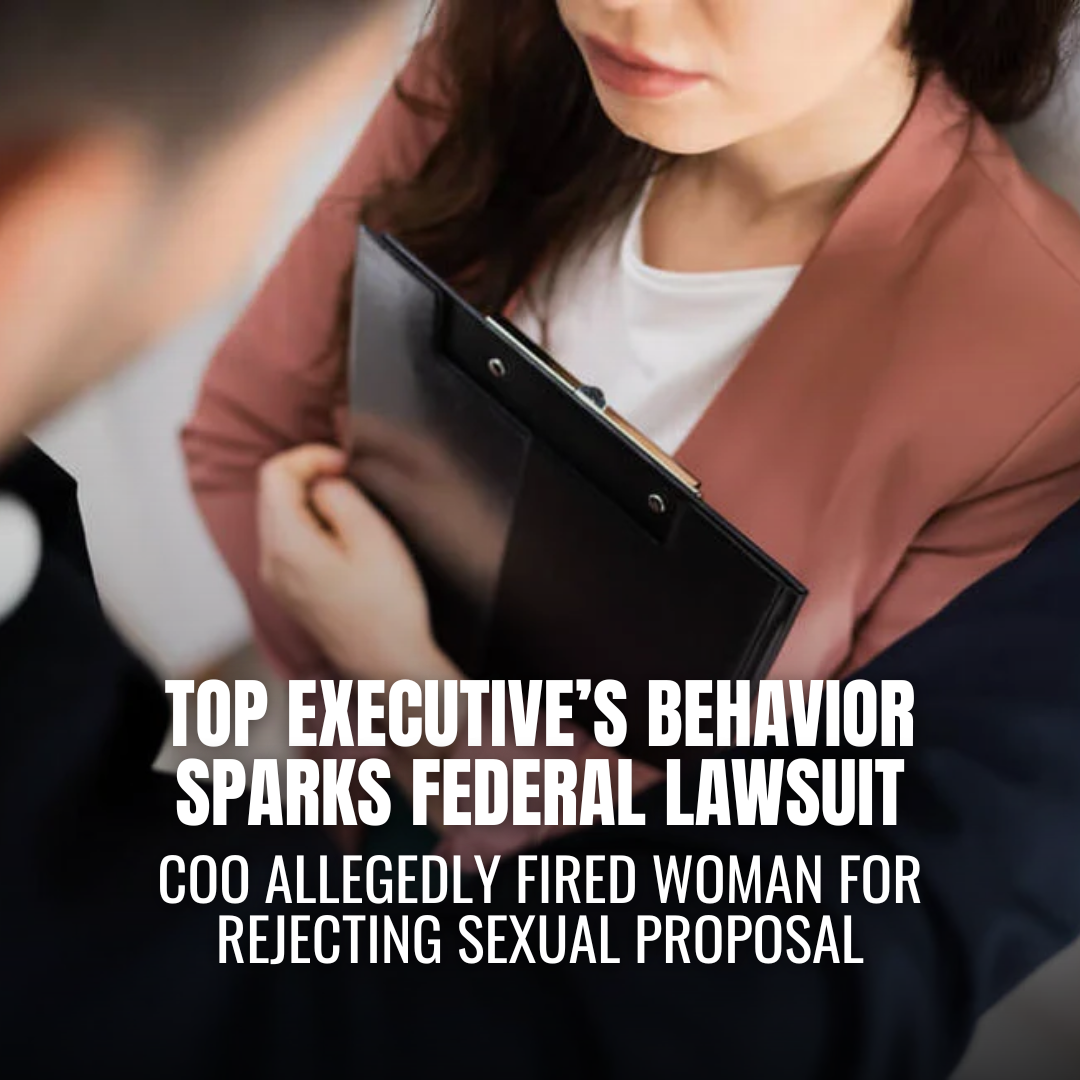
A home services provider operating in the Carolinas is facing legal action from the U.S. Equal Employment Opportunity Commission (EEOC) for allegedly creating a hostile work environment and retaliating against a female office manager who refused inappropriate advances.
Gator Strong, LLC, a company providing residential and commercial services in Myrtle Beach, South Carolina, and formerly in Wilmington, North Carolina, is at the center of the case. The lawsuit alleges that the company's former chief operating officer (COO) subjected a female employee to ongoing sexual harassment that escalated over time, culminating in her unlawful termination.
Incident Details
According to the EEOC’s complaint, the office manager at Gator Strong, LLC was repeatedly subjected to unwanted sexual comments by the company’s former COO. These incidents included explicit sexual remarks and degrading treatment in front of coworkers.
Over time, the harassment intensified. The COO allegedly presented the office manager with an inappropriate written proposition. When she refused to engage in any discussion about the proposal and declined to comply, the COO terminated her employment. The EEOC contends that her firing was directly linked to her rejection of these advances.
The lawsuit also names Gator Strong NC, LLC, claiming the entity bears successor liability for the discriminatory actions that occurred.
Legal Background
The alleged conduct violates Title VII of the Civil Rights Act of 1964, a federal law that prohibits employment discrimination on the basis of sex, including sexual harassment. Title VII also prohibits retaliation against employees who oppose or report unlawful conduct.
Before filing suit, the EEOC attempted to resolve the matter through its pre-litigation conciliation process, which was unsuccessful.
Settlement and Relief
As of this writing, the case has been filed in the U.S. District Court for the Eastern District of North Carolina (Case No. 7:25-cv-01267-M) and remains in litigation. The EEOC is seeking compensatory damages, back pay, and injunctive relief, including reforms to company policies, training, and oversight to prevent future harassment or retaliation.
Key Takeaways
- Leadership behavior matters: Harassment from senior executives signals tolerance for abuse, creating a toxic culture and exposing companies to liability.
- Retaliation compounds legal risk: Terminating an employee for rejecting inappropriate conduct violates Title VII and escalates consequences.
- Prevention starts with training: Proactive workplace education and clear reporting channels are essential to prevent harassment.
Conclusion
The Gator Strong case underscores the serious consequences employers face when sexual harassment goes unchecked—especially when misconduct stems from company leadership. Organizations must ensure they foster a respectful, compliant workplace culture and respond swiftly to all reports of misconduct. Legal action like this sends a strong message: harassment and retaliation are not tolerated under federal law.
A Compliance Recommendation: Prevent Harassment with TAP Series Training
To avoid workplace incidents like this, sexual harassment training is not optional—it’s essential. TAP Series is a recognized leader in online compliance training, trusted by businesses nationwide for its effective and convenient educational programs.
Whether you're a small business or a growing enterprise, TAP Series helps you meet legal requirements, protect your workforce, and build a safer, more respectful workplace culture.
We understand your time is limited—that’s why TAP simplifies the process while ensuring full legal coverage.
Protect your team. Protect your company. Choose TAP Series.