Legal Action Against Employers
Honolulu Restaurant and HR Firm Face EEOC Lawsuit Over Sexual Harassment Allegations
Background
A Honolulu-based restaurant and its outsourced human resources provider are facing a lawsuit from the U.S. Equal Employment Opportunity Commission (EEOC) over allegations of sexual harassment in the workplace. The lawsuit claims that male employees were subjected to a hostile work environment, including inappropriate behavior by a co-owner of the restaurant. The EEOC alleges that both the restaurant and the HR firm failed to take appropriate action to investigate and stop the harassment, violating federal law.
The Incident
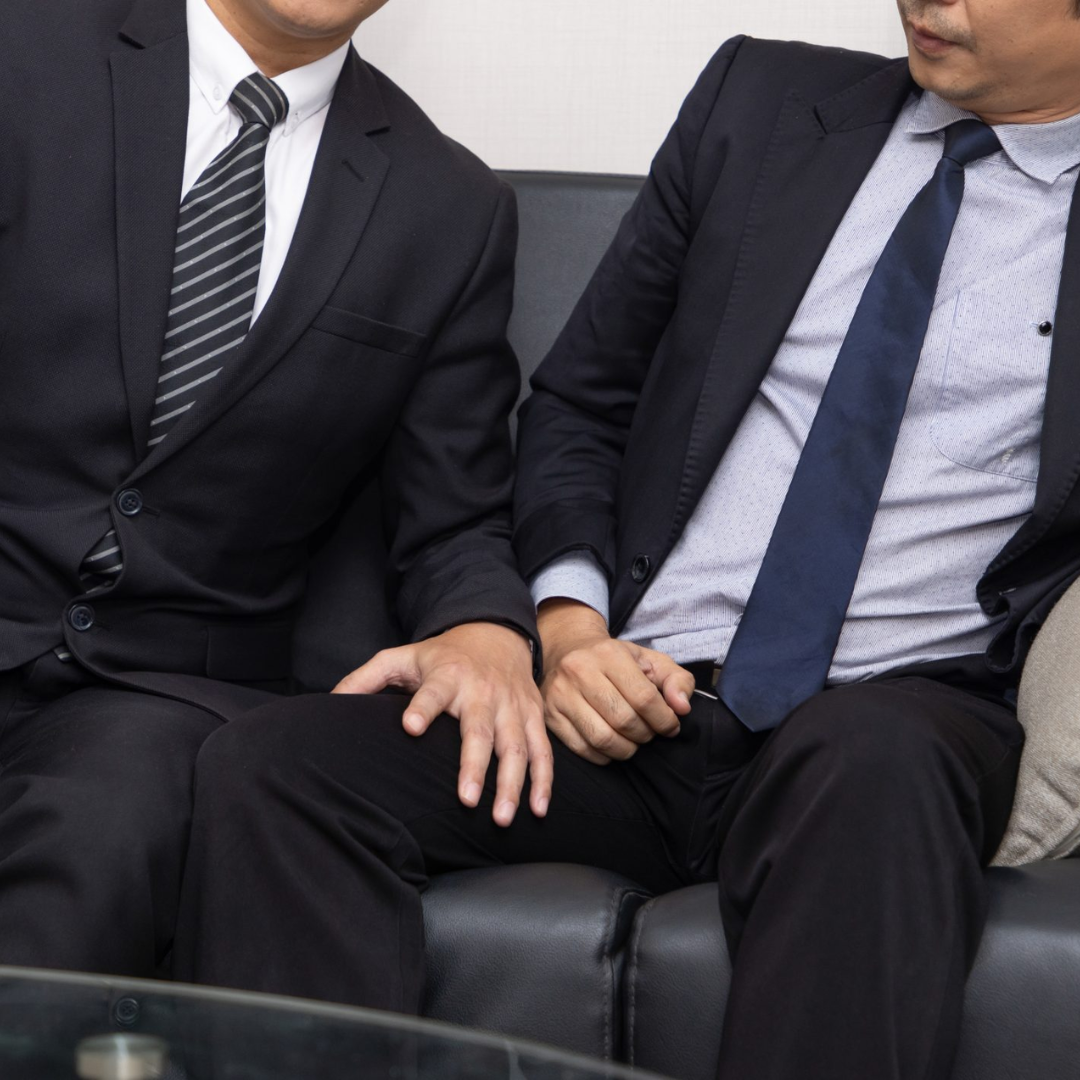
Since 2018, male employees working at the restaurant reported being sexually harassed by a co-owner, who allegedly engaged in inappropriate behavior such as exposing his genitals at work and making sexual comments regarding their sexual orientation. These actions created a hostile work environment that left employees feeling unsafe and degraded.
Despite complaints being made, the restaurant and its outsourced HR company, Altres, allegedly failed to conduct a thorough investigation or take corrective measures to address the harassment. Their inaction allowed the misconduct to continue unchecked, further violating workplace protections under federal law.
Legal Background
The alleged conduct violates Title VII of the Civil Rights Act of 1964, which prohibits sex-based discrimination and harassment in the workplace. Title VII ensures that all employees, regardless of gender or sexual orientation, have the right to work in an environment free from sexual misconduct.
The EEOC attempted to resolve the matter through conciliation, a process aimed at reaching a voluntary settlement before litigation. However, after unsuccessful negotiations, the EEOC proceeded with a lawsuit filed in the U.S. District Court for Hawaii (Case No.1:23-cv-00208). The federal agency seeks monetary damages for the affected employees, as well as injunctive relief to ensure that similar violations do not occur in the future.
Settlement and Relief Sought
The EEOC is pursuing the following relief measures:
- Compensatory and punitive damages for the impacted employees.
- A court order requiring the restaurant and HR firm to implement policies preventing future sexual harassment.
- Mandatory training for management and staff on workplace harassment and discrimination.
- A requirement for the HR firm to improve its investigative procedures to ensure that harassment complaints are handled properly.
The outcome of the case could set a precedent for outsourced HR firms' responsibility in addressing workplace harassment when contracted by businesses.
Key Takeaways
- Employers and HR Firms Are Accountable for Workplace Harassment – Companies that fail to investigate and stop sexual harassment can face significant legal consequences.
- Sexual Harassment Can Impact Any Gender – While sexual harassment cases often involve female victims, men are also at risk, and businesses must enforce protections for all employees.
- Proactive Measures Can Prevent Legal Action – Establishing clear policies, conducting harassment training, and taking complaints seriously can help companies avoid costly lawsuits.
Conclusion
This case highlights the importance of accountability in preventing sexual harassment in the workplace. Both employers and HR service providers must take active steps to investigate complaints, implement corrective measures, and foster a culture of respect. Failure to do so not only harms employees but also exposes businesses to legal and financial risks.
Recommendation: Sexual Harassment Training with TAP Series
To prevent workplace harassment and ensure compliance with federal laws, businesses should implement comprehensive sexual harassment training programs. TAP Series offe rs interactive and effective training solutions tailored to various industries. Investing in regular training helps educate employees, improve workplace culture, and protect companies from legal liabilities.