Employer Harassment Compliance
How to Identify and Address Conflicts of Interest in Harassment Complaints
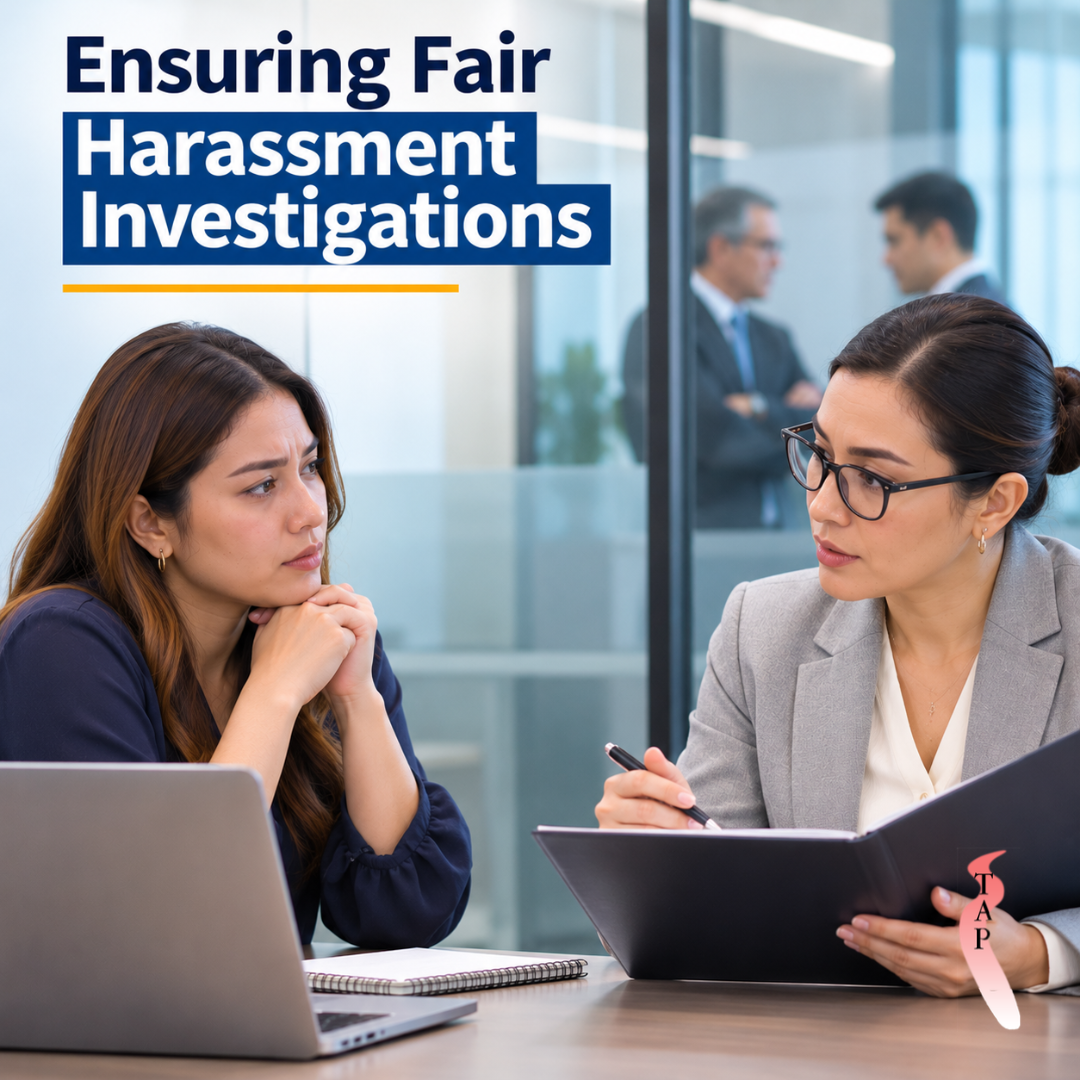
Workplace harassment investigations should be conducted fairly and without improper influence. However, conflicts of interest may arise when complaints involve senior managers, HR personnel, or employees with close professional relationships.
These situations can raise concerns about impartiality, confidentiality, and whether employees feel comfortable reporting inappropriate conduct.
Understanding conflicts of interest in workplace harassment complaints can help employers establish alternative reporting channels and appropriate investigation procedures.
What Is a Conflict of Interest in a Harassment Investigation?
A conflict of interest may occur when an individual's personal relationships, professional responsibilities, or workplace authority could influence their ability to handle a complaint objectively.
Examples include:
- A harassment complaint involving a senior executive responsible for overseeing HR.
- An HR representative investigating allegations against a close colleague.
- A supervisor reviewing a complaint involving someone they directly manage.
- An investigator who has a personal relationship with the complainant or accused employee.
- A manager investigating conduct in which they may have been involved.
Even the appearance of a conflict can affect employee confidence in the investigation process.
Why Conflicts of Interest Can Affect Investigations
Employees may hesitate to report harassment when they believe the person receiving their complaint has a close relationship with the individual accused.
Conflicts of interest may also create concerns about:
- Biased interviews or evidence evaluation.
- Inappropriate disclosure of confidential information.
- Pressure on employees to withdraw complaints.
- Inconsistent treatment of individuals involved.
- Retaliation or interference with the investigation.
Employers should assess potential conflicts early and determine whether alternative arrangements are necessary.
Establishing Alternative Reporting and Investigation Procedures
Employers should provide reporting options that do not require employees to approach someone involved in the alleged misconduct.
Appropriate measures may include:
- Multiple reporting channels: Allow employees to contact another manager, designated HR representative, or independent reporting contact.
- Independent investigators: Consider qualified external investigators when complaints involve senior leadership or HR personnel.
- Conflict screening: Review whether assigned investigators have personal or professional relationships that could compromise impartiality.
- Limited information access: Share sensitive details only with individuals who have a legitimate need to know.
- Documented decisions: Record how potential conflicts were identified and addressed.
Alternative procedures should be communicated clearly so employees understand where to report concerns.
The Role of HR and Senior Leadership
HR personnel and senior leaders should recognize when their involvement could create a conflict of interest.
If a complaint involves an HR representative, another qualified individual may need to oversee the investigation.
Similarly, allegations involving senior executives may require oversight by an independent investigator, an appropriate board committee, or another authorized decision-maker.
Employers should ensure that individuals accused of misconduct do not control the investigation or influence its findings.
Legal Background
Title VII of the Civil Rights Act of 1964 prohibits covered employers from engaging in unlawful sex discrimination, including sexual harassment that meets applicable legal standards.
Employers may face legal consequences when they fail to respond appropriately to harassment complaints. The adequacy of an investigation can be relevant when evaluating an employer's response.
Federal law does not universally require external investigators for harassment complaints. However, employers should take reasonable steps to ensure investigations are prompt, impartial, and appropriate to the circumstances.
Title VII also prohibits retaliation for engaging in protected reporting or investigation activities. Applicable state and local laws may impose additional requirements.
The Importance of Sexual Harassment Training
Sexual harassment prevention training can help employees and supervisors recognize conflicts of interest and understand appropriate reporting and escalation procedures.
Sexual Harassment Training | TAP Series®
Training should address:
- Employee awareness: Recognizing inappropriate conduct and understanding available reporting options.
- Reporting procedures: Knowing how to raise concerns when a supervisor or HR representative is involved.
- Supervisor responsibilities: Identifying potential conflicts and escalating complaints appropriately.
- Workplace respect: Maintaining professional boundaries and protecting sensitive information.
- Prevention strategies: Supporting impartial investigations, consistent accountability, and anti-retaliation protections.
Training should complement clear workplace policies and established investigation procedures.
Key Takeaways for Employers
Employers can strengthen complaint-handling practices by:
- Identifying potential conflicts of interest early.
- Providing alternative reporting channels.
- Assigning impartial investigators.
- Considering external investigation support when appropriate.
- Restricting unnecessary access to sensitive information.
- Documenting conflict-management decisions.
- Protecting employees from retaliation.
Broader Implications for Employers
Employees may be less willing to report harassment when they believe senior leaders or influential colleagues receive preferential treatment.
Employers should ensure that complaint procedures apply consistently, regardless of an individual's position or professional relationships.
Transparent reporting options, appropriate oversight, and impartial investigations can help reinforce employee confidence in workplace complaint-handling procedures.
Conclusion
Conflicts of interest can affect the fairness and credibility of workplace harassment investigations, particularly when complaints involve senior managers, HR personnel, or close professional relationships.
Employers should establish alternative reporting procedures, assess investigator independence, and document how potential conflicts are addressed.
By reinforcing impartial complaint handling and providing sexual harassment prevention training, organizations can support responsible investigations and respectful workplace practices.