TAP Series Compliance Training
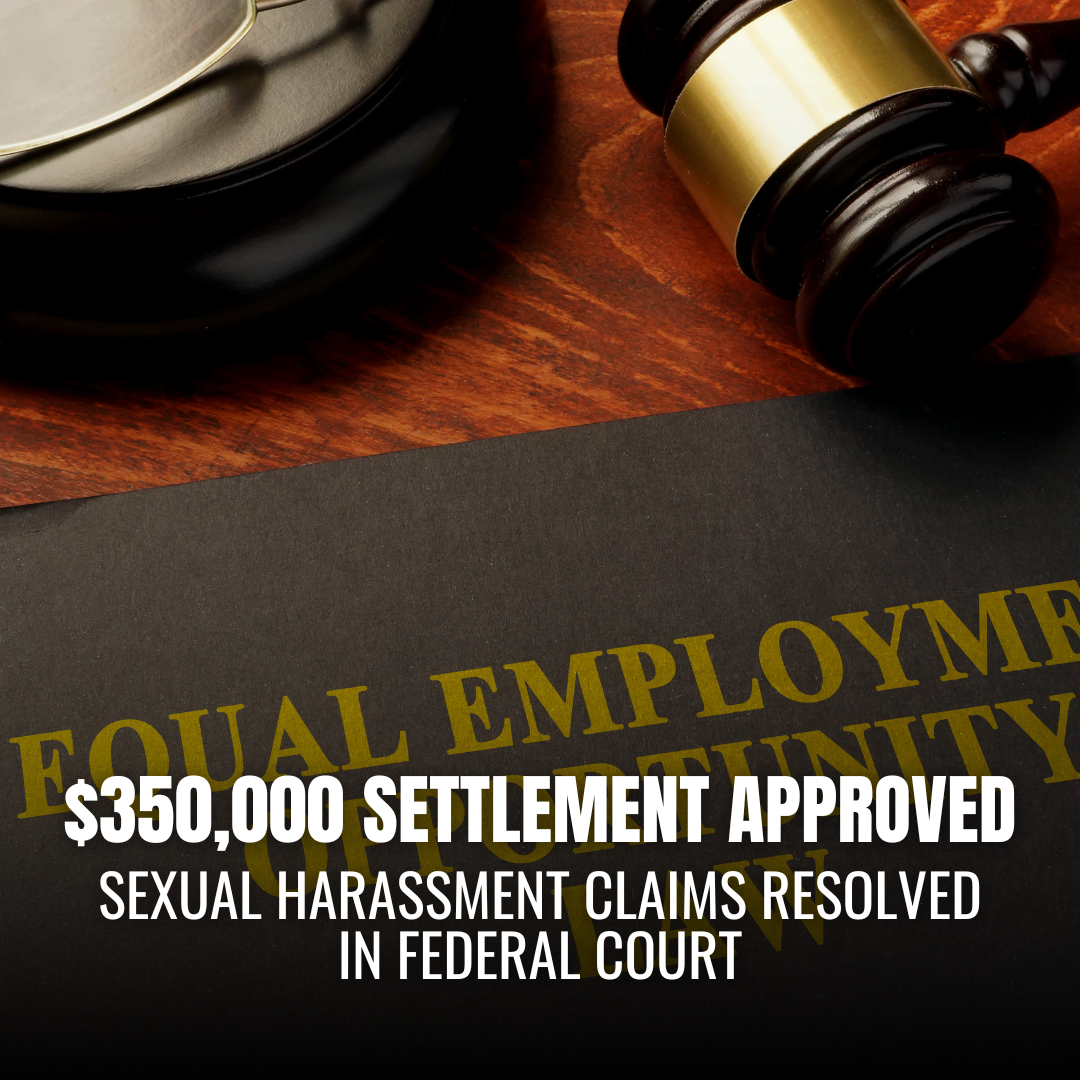
Huntington Ingalls and NSC Technologies Agree to $350,000 Settlement in EEOC Sexual Harassment and Retaliation Case
Background
Huntington Ingalls Incorporated, one of the nation’s largest shipbuilders, and staffing agency NSC Technologies, LLC, faced allegations of workplace misconduct involving temporary employees at a Mississippi shipyard. The Equal Employment Opportunity Commission (EEOC) filed suit after its investigation revealed claims of sexual harassment and retaliation against female workers assigned to a cleaning crew at the Pascagoula facility.
Incident Details
According to court filings, a male Ship Superintendent employed by Huntington Ingalls engaged in repeated acts of sexual harassment toward female employees provided by NSC. The conduct included:
- Making inappropriate sexual comments.
- Performing lewd acts in front of workers.
- Threatening to terminate employees unless they complied with his demands.
- Sexually assaulting two female employees.
The situation escalated when two employees reported the harassment through both NSC’s supervisory chain and Huntington Ingalls’s complaint hotline. In response, the superintendent allegedly retaliated against the women: one was terminated after refusing his advances, another quit out of fear of assault, and a third was threatened with death for reporting the misconduct.
Legal Background
The case was brought under Title VII of the Civil Rights Act of 1964, which prohibits sex-based discrimination, including sexual harassment and retaliation. Title VII requires employers—including staffing agencies and host companies—to protect employees from hostile work environments and to ensure workers are not punished for reporting misconduct.
The lawsuit, EEOC v. Huntington Ingalls Incorporated; Huntington Ingalls Industries, Inc.; NSC Technologies, LLC (Case No. 1:22-CV-00002-hso-rhwr, S.D. Miss.), was filed in the United States District Court for the Southern District of Mississippi after settlement efforts through conciliation failed.
Settlement and Relief
To resolve the claims, Huntington Ingalls and NSC Technologies entered into a thirty-month consent decree. Key terms include:
- Payment of $350,000 to compensate at least three identified victims.
- Development and revision of workplace policies to prevent sexual harassment.
- Mandatory training for employees and managers on recognizing, preventing, and reporting harassment.
- EEOC monitoring to ensure compliance with the decree for its full duration.
Key Takeaways
- Joint Liability Exists: Both staffing agencies and host companies share responsibility for ensuring a safe workplace free from harassment.
- Retaliation Worsens Legal Risk: Punishing employees for reporting misconduct not only harms victims but also significantly increases legal liability.
- Preventive Training is Critical: Ongoing training and clear policies are essential for compliance with federal law and for protecting employees.
Conclusion
This settlement underscores the legal and financial consequences organizations face when they fail to prevent sexual harassment and retaliation in the workplace. Employers—whether permanent or staffing-based—must recognize their shared responsibility in safeguarding workers and addressing complaints promptly.
Recommendation: Prevent Harassment with TAP Series Training
Workplace compliance is not just about following the law—it’s about creating a safe and respectful environment for all employees. TAP Series is a leader in online compliance training, offering comprehensive sexual harassment prevention courses designed for today’s busy workplaces. With TAP Series, HR leaders and business owners can:
- Simplify training and ensure compliance with Title VII and state laws.
- Provide employees and managers with tools to recognize, report, and stop harassment.
- Protect organizations from costly lawsuits and reputational damage.
Investing in Sexual Harassment Training with TAP Series helps businesses build safer workplaces and demonstrates a commitment to protecting employees while reducing legal risk.