Wage Transparency Legislation Vermont
Inside Vermont’s New Wage Transparency and UI Tax Laws for 2025
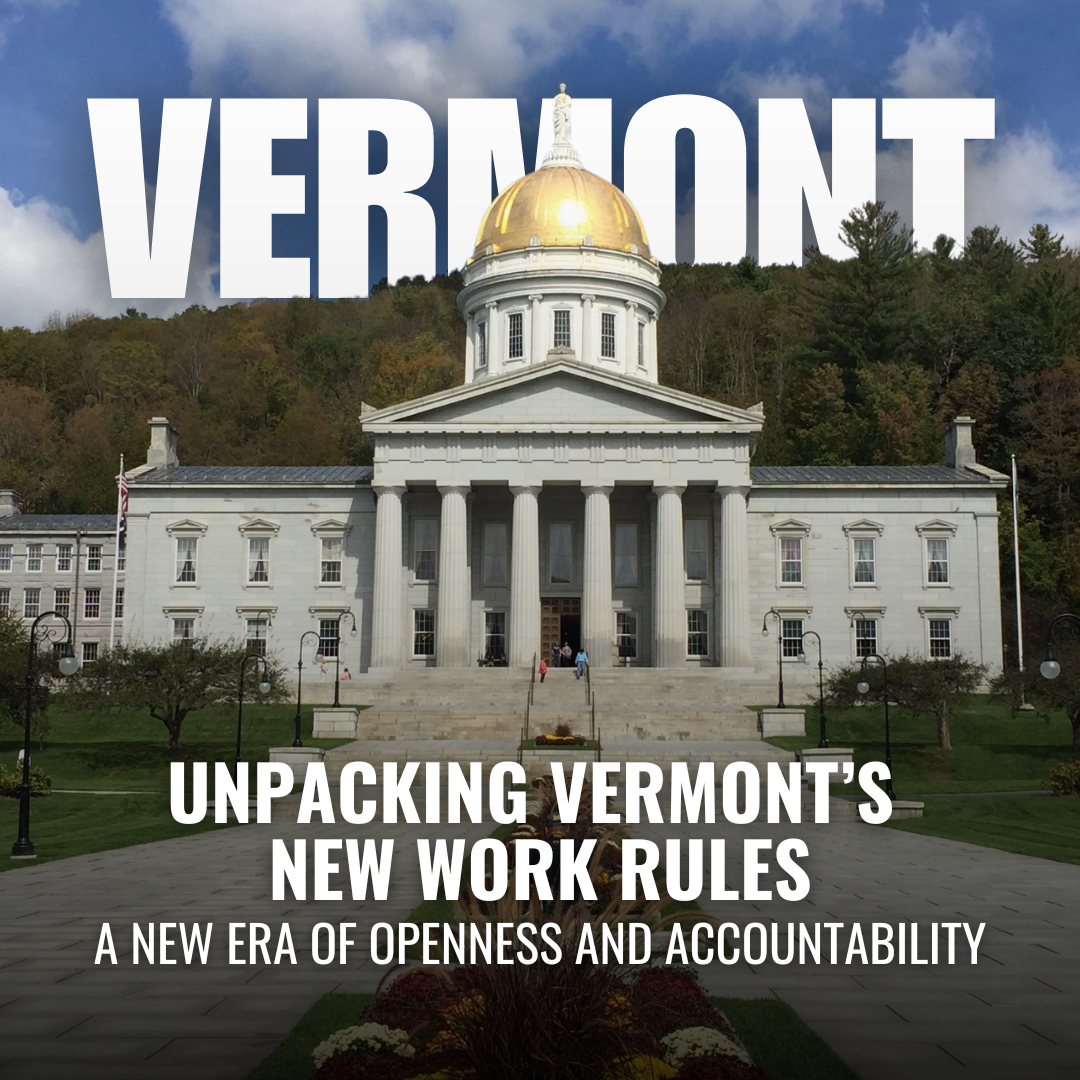
Navigating labor law updates can feel a bit like reading the fine print of a credit card agreement—necessary, but not always easy to digest. But Vermont’s 2025 changes are worth paying attention to. This year, the state rolled out key updates that touch on how much employers pay into unemployment insurance and how transparent they need to be when advertising job openings. These changes might sound technical, but they impact real people and real workplaces across the state.
Let’s break it down in plain language, with a look at what’s changing, why it matters, and how it might play out for both employers and employees.
Unemployment Insurance Taxable Wage Base: What’s New?
Every year, Vermont sets a "taxable wage base"—the portion of an employee’s wages that are subject to state unemployment insurance (UI) tax. For 2025, this base has been set at $14,800.
What does this mean in practice?
- Employers must pay UI tax on the first $14,800 of each employee’s wages in 2025.
- This amount is used to fund unemployment benefits for workers who lose their jobs through no fault of their own.
- The federal UI tax remains separate and applies to the first $7,000 of wages.
Imagine you own a coffee shop in Burlington. If your barista earns $25,000 this year, you’ll only pay state UI tax on the first $14,800 of their pay. The rest? Not subject to that particular tax.
Key Takeaways:
- 2025 UI taxable wage base: $14,800.
- Applies per employee, per year.
- Employers still owe federal UI tax on the first $7,000.
- This amount helps support Vermont’s unemployment insurance trust fund.
Pros:
- Helps keep the UI system funded and stable.
- Employers know their contribution limit per employee.
Challenges:
- Small businesses with many employees may feel the strain as they factor in additional payroll costs.
- Businesses with tight margins may need to adjust hiring or budgeting plans to account for higher wage bases.
Job Advertisement Transparency: A New Era of Openness
Perhaps the most impactful change for job seekers in 2025 is Vermont’s new wage transparency requirement, taking effect July 1, 2025.
This law requires most employers (those with five or more employees) to include a wage range in job ads—a move aimed at reducing wage gaps and promoting fairer compensation practices.
In a nutshell:
- Employers must include a good-faith salary range in job postings.
- Applies to roles based in Vermont or remote jobs tied to Vermont offices.
- Commission-based jobs must state that they’re commission-based but don’t need to list a range.
- Guidance from the Vermont Attorney General’s Office is expected by January 1, 2025.
Let’s say you’re a graphic designer applying for a remote role based out of a Vermont company. Under the new law, you’ll see the minimum and maximum pay range upfront—no guessing games, no awkward salary conversations without context.
Key Takeaways:
- Effective date: July 1, 2025.
- Applies to: Employers with five or more employees.
- Covers: In-state and remote jobs connected to Vermont.
- Requirement: Include wage range or disclose commission-based pay structure.
Benefits:
- Job seekers get clarity—they can decide upfront if a job meets their expectations.
- Promotes wage equity, especially for women and minorities who historically may have been offered lower salaries.
- Streamlines hiring—fewer mismatches and wasted interviews.
Challenges:
- Employers may worry about losing flexibility in salary negotiations.
- Some businesses may need to reevaluate pay structures to ensure ranges are fair and justifiable.
- Could increase competition for roles with higher advertised pay, making recruiting more competitive.
Conclusion: The 2025 Impact for Vermonters
Vermont’s 2025 labor law changes might not make front-page news, but they have real-world effects—both in your paycheck and your job postings. For workers, the transparency law is a win for fairness and clarity, giving them more information upfront in the job hunt. For employers, it means a chance to standardize and legitimize pay practices, though not without a few administrative headaches.
Meanwhile, the updated UI taxable wage base ensures that unemployment benefits remain funded without being overly burdensome—though small businesses may need to watch how it affects their overall labor costs.
Think of these changes as Vermont’s way of tightening the bolts on its employment system. It’s not a full renovation, but it’s definitely a needed upgrade.
And in 2025, with remote work and wage equity more relevant than ever, Vermont’s updates are not just timely—they’re necessary.
Important Note to Consider
This content is intended for informational purposes only. Although we strive to present accurate and up-to-date information, we cannot guarantee that it is completely free from errors or omissions. We encourage users to verify any important details independently and not rely solely on the information provided here.