EEOC Racial Harassment Ruling
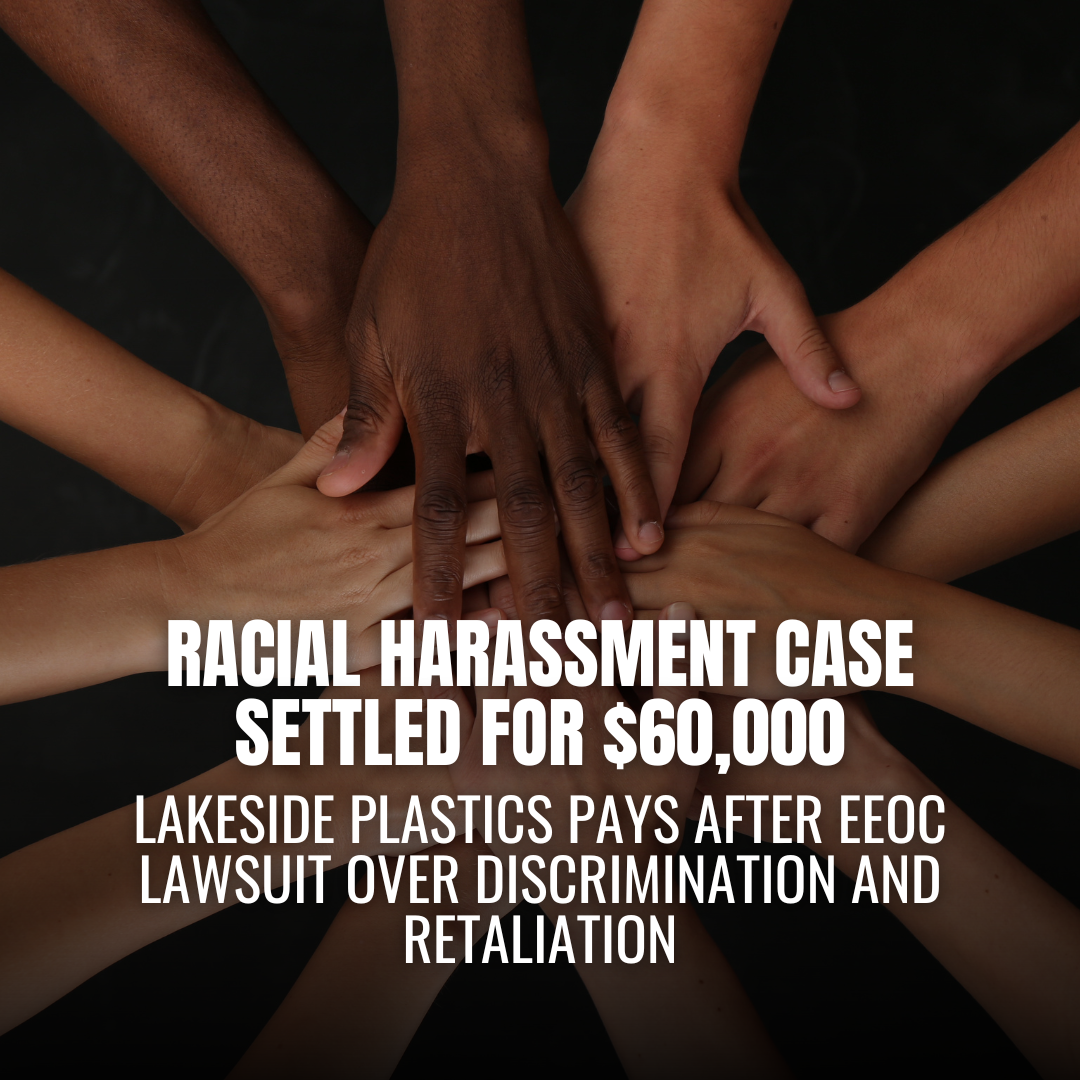
Lakeside Plastics to Pay $60,000 After EEOC Lawsuit Over Racial Harassment and Retaliation
Background
Lakeside Plastics, Inc., a Wisconsin-based manufacturer of traffic safety products, faced federal action after an investigation by the U.S. Equal Employment Opportunity Commission (EEOC). The lawsuit stemmed from claims that the company allowed racial harassment in the workplace and retaliated against a Black employee who reported the misconduct.
Incident Overview
In June 2019, a Black temporary employee was hired as a production technician at Lakeside Plastics in Oshkosh, Wisconsin. During his brief employment, he was subjected to repeated racial slurs, including the use of the “n-word,” and threats of physical harm by a white co-worker. The employee reported the harassment to his supervisors, but instead of addressing the misconduct, Lakeside Plastics allegedly terminated his employment in retaliation for his complaints.
The EEOC argued that the termination was not only retaliatory but also racially motivated, constituting violations of federal anti-discrimination laws.
Legal Background
The alleged actions by Lakeside Plastics violated Title VII of the Civil Rights Act of 1964, which prohibits discrimination based on race, color, religion, sex, or national origin. The law also protects employees from retaliation when they report discriminatory behavior or participate in investigations related to workplace discrimination.
The EEOC filed the case in the U.S. District Court for the Eastern District of Wisconsin (Case No. 1:22-cv-01149 WCG) after conciliation efforts failed. The court initially granted summary judgment to Lakeside Plastics but later reversed that decision after reviewing evidence of repeated racial slurs and threats. The judge ruled that a jury could reasonably find discrimination and retaliation, allowing the case to proceed to trial before the parties reached a settlement.
Settlement and Relief
Under a two-year consent decree, Lakeside Plastics agreed to pay $60,000 in damages to the affected employee. The company also committed to:
- Conducting anti-harassment and anti-retaliation training for all employees, including temporary staff.
- Revising internal policies to ensure racial harassment complaints are investigated within five days of being reported.
- Requiring managers and supervisors to report any known or suspected incidents of racial harassment to HR, with disciplinary measures for noncompliance.
- Submitting periodic reports to the EEOC to demonstrate ongoing compliance with Title VII.
Key Takeaways
- Employers must take all harassment complaints seriously. Ignoring or dismissing reports of racial misconduct can lead to legal and financial consequences.
- Retaliation is a separate and serious violation. Terminating or disciplining employees for reporting discrimination constitutes unlawful retaliation.
- Training and policy reform are critical. Clear procedures and accountability mechanisms help prevent future violations and demonstrate a company’s commitment to equal employment practices.
Conclusion
The Lakeside Plastics case underscores the ongoing importance of proactive compliance with federal anti-discrimination laws. Employers are legally obligated to foster a workplace free from harassment and retaliation. The settlement not only compensates the affected worker but also serves as a reminder that failure to address racial hostility can expose companies to significant liability and reputational harm.