Harassment Prevention Programs
Latina Janitor Harassed by Supervisor: CCS Facility Services Reaches Sexual Harassment Settlement with EEOC
Background: Harassment Allegations Within Janitorial Services
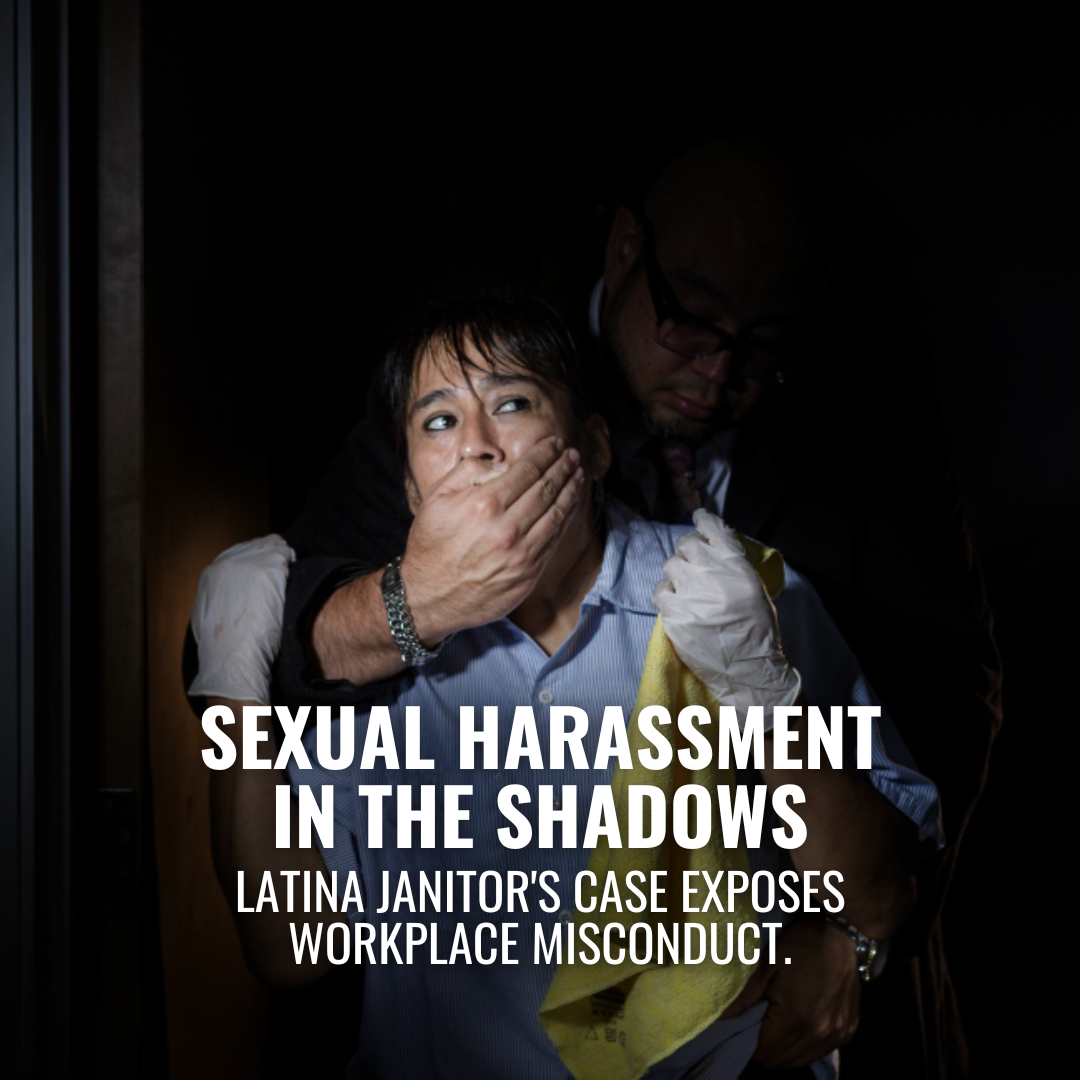
In a case highlighting ongoing issues of workplace harassment in custodial services, CCS Facility Services, Inc.—a nationwide integrated facility services company—faced allegations of severe and prolonged sexual harassment toward a Latina janitor employed in Washington state. The complaint was filed with the U.S. Equal Employment Opportunity Commission (EEOC) and stemmed from an environment where repeated misconduct allegedly went unaddressed.
Incident Summary: Prolonged Supervisor Misconduct Ignored
The complainant reported that she endured verbal and physical harassment over the course of more than a year. This included unwelcome sexual comments and physical contact from her direct supervisor. Despite making multiple complaints about the abuse, no effective action was taken by CCS Facility Services at the time.
The harassment reportedly continued unchecked, creating a hostile work environment and violating the employee’s legal right to a workplace free of sexual misconduct.
Legal Background: Title VII Protections
The EEOC determined there was reasonable cause to believe that CCS Facility Services violated Title VII of the Civil Rights Act of 1964, which prohibits workplace discrimination and harassment based on sex, among other protected characteristics. Employers are legally required to prevent and respond promptly to such conduct, especially when perpetrated by individuals in supervisory roles.
Settlement Terms and Workplace Reforms
Rather than proceeding to litigation, CCS Facility Services opted to settle the matter through the EEOC’s conciliation process. As part of the pre-litigation agreement, the company committed to:
- Monetary relief for the affected janitor (undisclosed sum)
- Policy reforms aimed at preventing future incidents
- Establishment of anonymous reporting channels for harassment and discrimination
- Mandatory training for all Washington-based employees
- Four years of monitoring, during which CCS must submit periodic compliance reports to the EEOC
Three Key Takeaways
- Supervisors carry heightened responsibility: When a supervisor engages in harassment, employers are often directly liable if they fail to act swiftly.
- Anonymous reporting options are crucial: Victims may fear retaliation or disbelief; offering safe, anonymous ways to report misconduct empowers more employees to speak up.
- Training and oversight matter: Prevention requires not only policy but continuous enforcement, education, and transparency.
Conclusion: A Step Forward, but Prevention is Key
While the resolution offers justice and accountability for one worker, the incident serves as a reminder of the vulnerability many face in service industries. It emphasizes the importance of strong prevention programs, transparent reporting structures, and ongoing education to foster a truly safe work environment.
Protect Your Workplace: Invest in Training with TAP Series
To prevent harassment before it escalates, employers should invest in high-quality sexual harassment training. TAP Series stands as a leading name in online compliance education, trusted by organizations nationwide. TAP’s comprehensive sexual harassment training programs are tailored to ensure employees understand workplace rights, company policies, and the correct procedures for handling misconduct.
With on-demand training, multilingual support, and automatic tracking, TAP Series helps you stay compliant while respecting your team’s time. If you’re serious about building a respectful, lawful workplace, TAP Series is the partner you need.