Accommodation Denial Lawsuit
Manhattan Hotel to Pay $100K for Firing Employee Who Needed a Stool, EEOC Lawsuit Says
Background
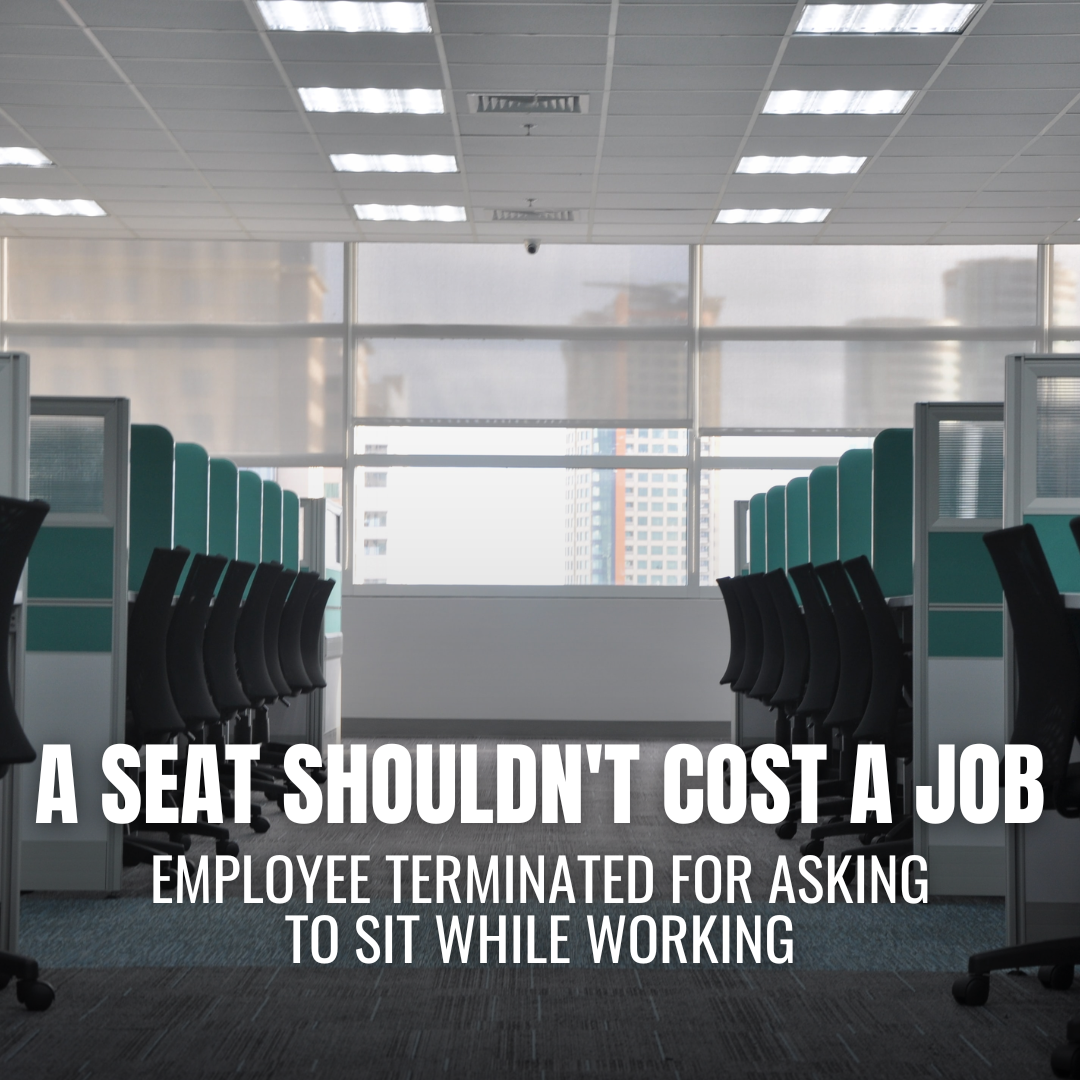
A prominent Manhattan hotel has agreed to pay $100,000 to settle a disability discrimination lawsuit filed by the U.S. Equal Employment Opportunity Commission (EEOC). The case stemmed from a former host’s request for a simple accommodation—a stool at the front desk—due to a documented medical condition affecting her knee. Rather than grant the request, the employer terminated her.
Incident Details
The employee, who worked as a host at The Ned NoMad hotel and members' club in Manhattan, submitted a medical note stating that she had a knee condition restricting her from standing or walking for more than 30 minutes at a time. Despite this, she remained capable of performing all essential job functions, including greeting guests and escorting them throughout the hotel.
Her request was to use a stool only while performing clerical tasks at the host stand, not while interacting with or walking guests. However, hotel management refused the accommodation and subsequently terminated her employment.
Legal Background
The Americans with Disabilities Act (ADA) prohibits employers from discriminating against qualified individuals with disabilities. Under the ADA, employers are required to provide reasonable accommodations—such as a seat or modified equipment—unless doing so would create an undue hardship. Denying such accommodations can constitute unlawful discrimination.
The EEOC filed suit in the U.S. District Court for the Southern District of New York (EEOC v. TNNY Hotel, LLC, Ned NY 28th, LLC, Soho House & Co Inc., and TNNY Restaurant, LLC, Case No. 1:24-cv-6487) after attempts at a voluntary pre-litigation resolution failed.
Settlement and Relief
The Ned NoMad and its associated entities agreed to a $100,000 monetary settlement to compensate the affected employee. Beyond financial relief, the hotel must:
- Update its employee handbook to acknowledge the use of a stool as a reasonable accommodation.
- Train managers and staff on ADA compliance and reasonable accommodations.
- Submit regular reports to the EEOC on how it handles disability-related requests and complaints.
- Refrain from denying accommodations based on image-related concerns or assumptions about guest preferences.
Key Takeaways
- Reasonable accommodations can be simple: A stool for an employee with a medical condition is a modest, low-cost adjustment that can make a major difference.
- Firing an employee for requesting accommodations is unlawful: Employers must engage in an interactive process before taking any adverse action.
- Policy updates and training are essential: Clear policies and education help prevent ADA violations and protect workers’ rights.
Conclusion
This case highlights a growing trend of legal action against hospitality businesses that fail to accommodate employees with disabilities. Employers must understand that visual aesthetics or customer-facing roles do not override the legal requirement to provide reasonable accommodations. Ignoring these obligations not only results in financial penalties but also damages workplace culture and reputation.