Sexual Harassment Prevention Training
Michigan Taco Bell Franchisees Face Federal Sexual Harassment and Retaliation Lawsuit
Background
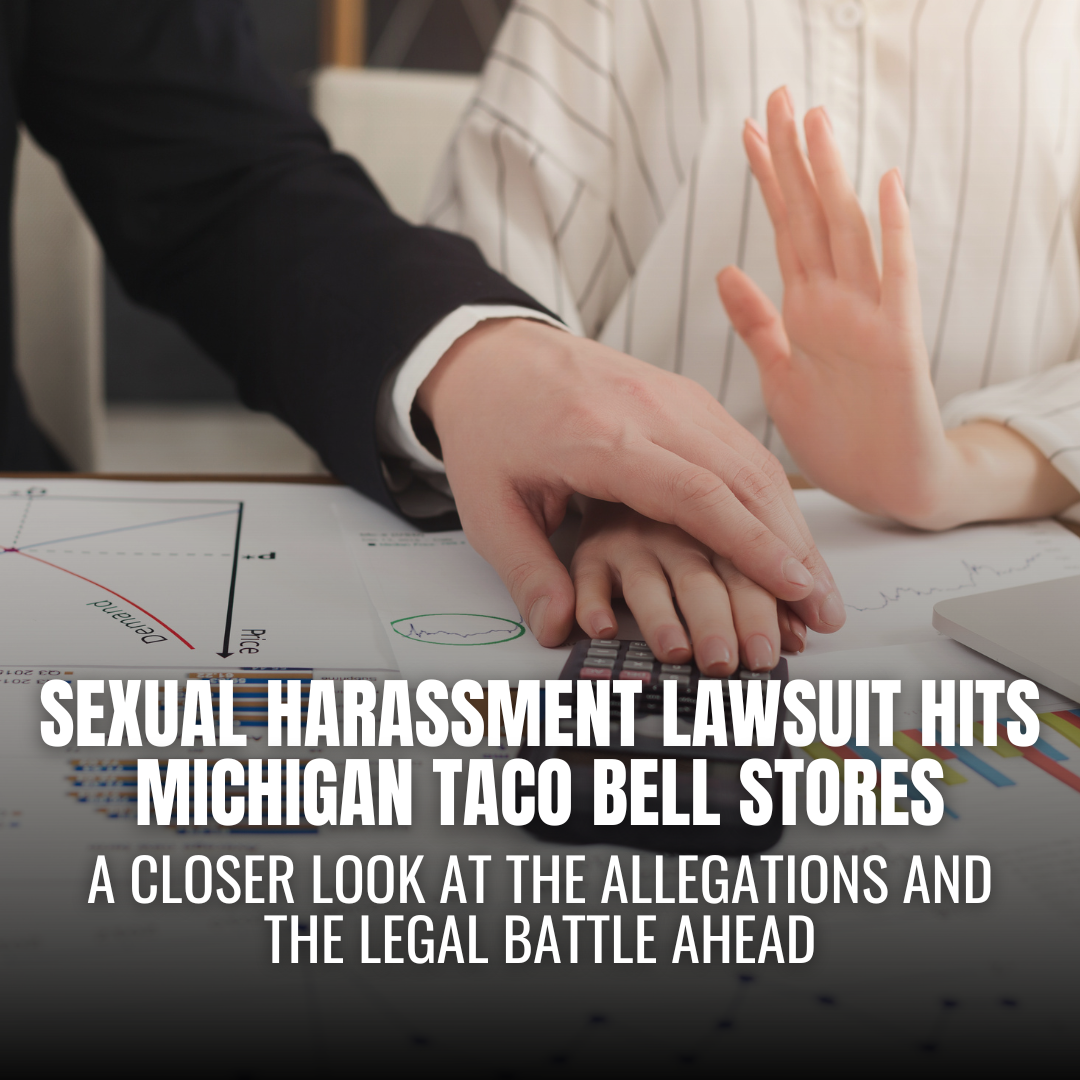
A series of Michigan Taco Bell restaurants operated by six related franchise entities are facing a federal lawsuit alleging widespread sexual harassment and unlawful retaliation. The allegations center on a senior area manager who oversaw multiple locations and had direct authority over both adult and teenage workers. According to federal filings, the conduct persisted across several restaurants for months before any corrective action was taken.
Incident Overview
The lawsuit states that the senior area manager engaged in repeated sexual harassment of female employees, including several minors. His alleged behavior included inappropriate sexual comments, questions about employees’ sexual activity, remarks about wanting affection from an underage worker once she turned 18, and unwanted touching of teenage employees.
The complaint also asserts that the senior area manager asked an assistant manager to provide explicit images or videos involving her boyfriend. Multiple employees, supervisors, and managers reportedly raised concerns about his behavior, yet the defendants failed to stop the ongoing misconduct.
One assistant manager formally reported the harassment but was terminated on the same day she made the complaint. Despite this retaliation against the reporting employee, the senior area manager continued to supervise female employees and allegedly continued the harassment for several more months before he was ultimately dismissed.
Legal Background
The allegations fall under Title VII of the Civil Rights Act of 1964, which prohibits:
- Sexual harassment
- Sex-based discrimination
- Retaliation against workers who report unlawful behavior
Title VII requires employers to take prompt, effective action to prevent and correct harassment. Retaliating against an employee who reports misconduct is an additional violation of federal law.
The lawsuit, EEOC v. Teamlyders, LLC et al., Case No. 25-10575, was filed in the U.S. District Court for the Eastern District of Michigan after attempts to resolve the matter through the EEOC’s conciliation process were unsuccessful.
Relief and Requested Remedies
While the case is ongoing, the lawsuit seeks multiple forms of relief, including:
- Monetary compensation for affected employees
- Reinstatement for the assistant manager who was terminated
- Implementation of strict anti-harassment and anti-retaliation policies
- Mandatory reporting procedures for future complaints
- Training for managers and staff on Title VII compliance
- Measures to ensure employee protection at all franchise locations
If ordered, these remedies aim to address both the harm endured by affected workers and the systemic failures that allowed the misconduct to continue.
Key Takeaways
- Failure to act promptly on harassment complaints increases employer liability.
- Retaliation, such as firing a reporting employee, is itself a Title VII violation.
- Youth workers, especially in fast-food settings, remain particularly vulnerable without strong oversight and clear reporting channels.
Conclusion
This case highlights the significant legal and operational risks companies face when harassment reports are ignored or mishandled. Employers must ensure that policies are not only written but actively enforced, especially in workplaces employing minors. The lawsuit also underscores the importance of proper training, consistent oversight, and a culture where employees can report misconduct without fear of retaliation.
Recommendation: Strengthen Workplace Protection with TAP Series Training
Preventing incidents like this begins with effective, reliable training. TAP Series, a leader in online compliance education, provides comprehensive Sexual Harassment Training designed to help organizations stay compliant and protect their workforce.
TAP Series offers:
- Accessible online modules employees can take anytime
- Scenario-based lessons tailored to real workplace risks
- Easy deployment for busy HR teams
- Clear, legally aligned content that reinforces Title VII responsibilities
For businesses committed to maintaining a safe, respectful workplace, TAP Series is one of the leading partners in preventing harassment before it escalates into legal action. Investing in training today helps safeguard employees, strengthen compliance, and reduce future liability.