Workplace Discrimination Law
Miller's Grill EEOC Sexual Harassment Settlement Highlights the Importance of Workplace Harassment Prevention and Retaliation Compliance
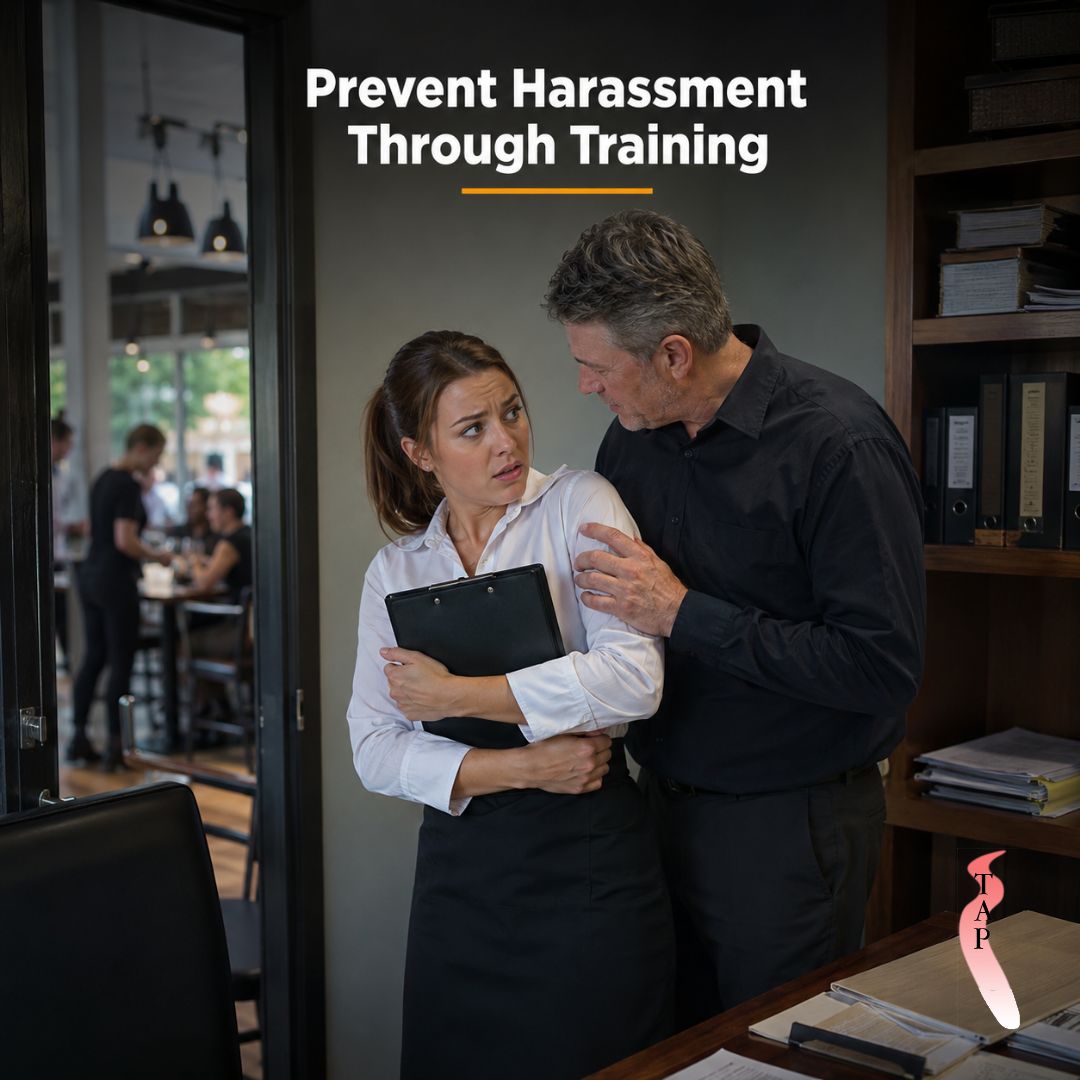
Sexual harassment and retaliation remain significant workplace compliance issues, particularly in industries where employees work closely with supervisors and business owners. A recent Equal Employment Opportunity Commission (EEOC) enforcement action involving Miller's Grill, Inc. serves as another reminder that employers have a responsibility to maintain respectful workplaces, investigate complaints appropriately, and protect employees from retaliation.
According to the EEOC, Miller's Grill has agreed to settle a federal lawsuit alleging sexual harassment by the restaurant owner and retaliation against an employee after she opposed the alleged conduct.
Background of the Case
Miller's Grill, Inc., a restaurant located in Washington, Missouri, entered into a consent decree resolving an EEOC lawsuit filed under Title VII of the Civil Rights Act of 1964.
The lawsuit centered on allegations involving a female restaurant manager during 2017. After attempting to resolve the matter through its administrative conciliation process, the EEOC filed suit in the U.S. District Court for the Eastern District of Missouri.
The court approved the settlement on June 29, concluding the litigation while requiring both monetary and workplace policy changes.
Details of the Incident
According to the EEOC's allegations, the restaurant owner subjected a female manager to repeated unwelcome conduct that included:
- Unwanted physical contact.
- Touching around the waist and buttocks.
- Lewd and sexual comments.
- Requests to meet late at night.
- Requests for sex.
The lawsuit alleges that after the employee ignored or rejected these advances, the owner became increasingly hostile by:
- Yelling at her.
- Criticizing her work in front of coworkers and customers.
- Removing her from the work schedule, effectively ending her employment.
The EEOC alleged that these actions constituted both unlawful sexual harassment and retaliation for opposing the alleged misconduct.
As with all EEOC litigation, these allegations were resolved through settlement and should not be interpreted as findings of liability by the court.
Legal Background
Title VII of the Civil Rights Act of 1964 prohibits discrimination based on sex, including sexual harassment in the workplace.
The law also prohibits retaliation against employees who:
- Report workplace harassment.
- Oppose discriminatory conduct.
- Participate in an EEOC investigation or proceeding.
Employers have an obligation to take reasonable steps to prevent harassment, respond promptly to complaints, and ensure employees can report concerns without fear of adverse employment actions.
Settlement Status and Relief Sought
The court-approved consent decree requires Miller's Grill to implement several corrective measures in addition to providing monetary relief to the former employee.
These requirements include:
- Payment of monetary damages.
- Adoption of policies and procedures designed to prevent workplace harassment.
- Sexual harassment training for the owner and management.
- Periodic reporting to the EEOC.
- Posting notices informing employees of their rights under federal law.
- Providing multiple avenues for employees to report workplace harassment, including directly to the EEOC.
These measures are intended to improve reporting processes and strengthen workplace compliance going forward.
Key Takeaways from the Case
This settlement illustrates several important compliance lessons for employers.
- Business owners are subject to the same federal workplace harassment laws as any other supervisor.
- Employees should have multiple confidential methods for reporting workplace concerns.
- Complaints should be investigated promptly and objectively.
- Employment decisions should never be influenced by an employee's decision to report or oppose alleged harassment.
- Written policies are most effective when paired with consistent training and leadership accountability.
Broader Implications for Employers
The restaurant industry continues to experience unique workplace challenges due to:
- Close working environments.
- Small management structures.
- Long shifts.
- Young and seasonal workforces.
- Frequent interaction between employees and supervisors.
Employers can help reduce workplace risk by developing a culture where employees understand expectations, know how to report concerns, and trust that reports will be handled appropriately.
Clear reporting procedures and consistent enforcement of workplace policies are essential components of an effective compliance program.
The Importance of Sexual Harassment Training
One practical way employers can reinforce workplace expectations is through ongoing education for both employees and supervisors.
Sexual Harassment Training | TAP Series®
Training can help reinforce:
- Employee awareness of inappropriate workplace conduct.
- Appropriate reporting procedures.
- Supervisor responsibilities when receiving complaints.
- Respectful workplace communication.
- Prevention strategies that support a professional work environment.
While training alone does not eliminate workplace misconduct, it can support broader compliance efforts when combined with effective policies, reporting procedures, and consistent management practices.
Conclusion
The EEOC's settlement with Miller's Grill demonstrates the importance of addressing workplace harassment allegations promptly and protecting employees who raise concerns. Employers across all industries should regularly review their harassment prevention policies, reporting procedures, and supervisor training to help foster respectful workplaces and reduce compliance risks under federal employment laws.