Hostile Work Environment
Minnesota YMCA Pays $140,000 Over Sexual Harassment Allegations Involving Teen Workers
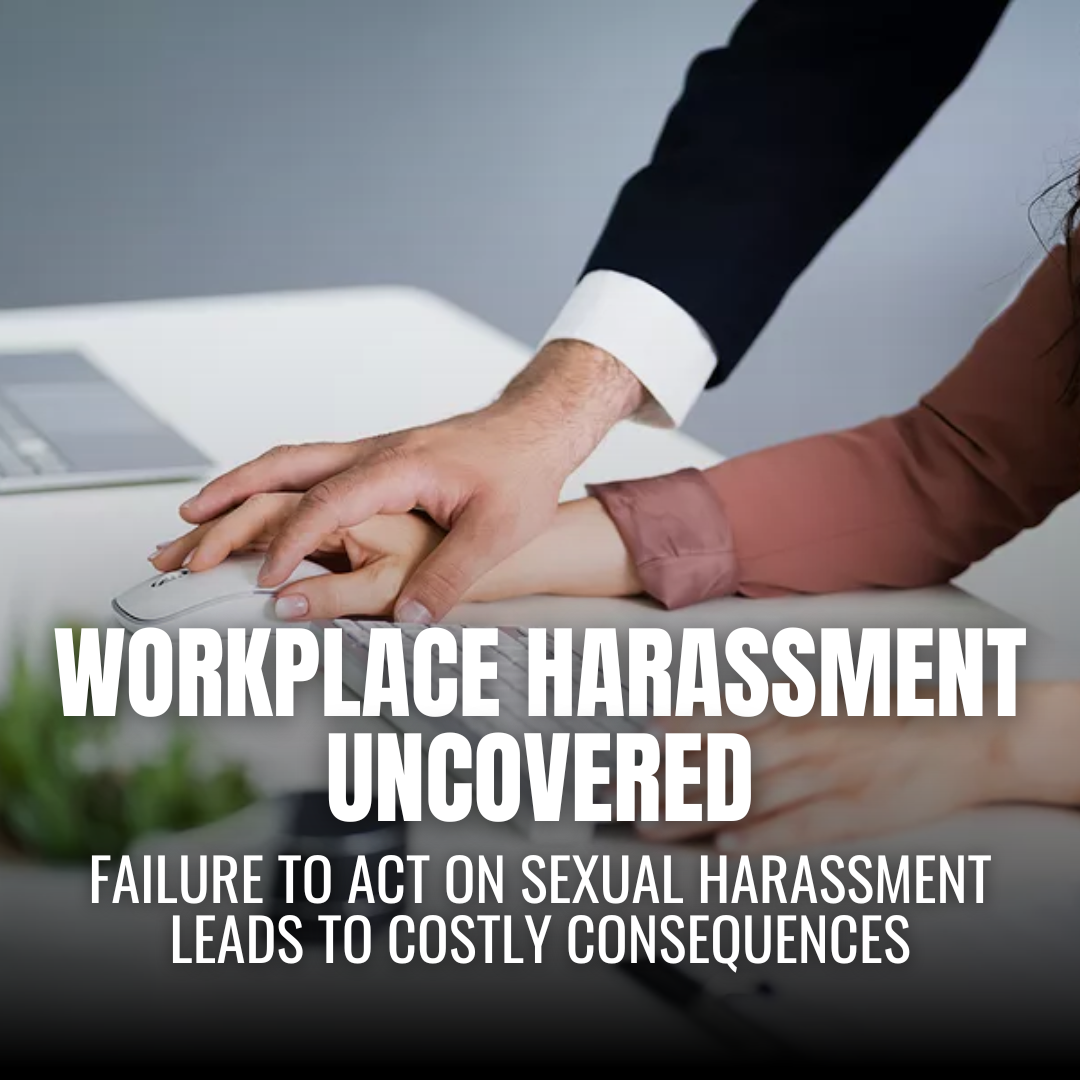
Background:
The St. Cloud Area Family YMCA, a fitness and community organization in Minnesota, faced a federal lawsuit after multiple employees reported sexual harassment by a manager. The claims involved not only adult staff but also teenage employees, raising serious concerns about workplace safety and the YMCA's internal response to misconduct.
Incident Details:
According to the lawsuit filed by the U.S. Equal Employment Opportunity Commission (EEOC), a manager at the St. Cloud YMCA engaged in ongoing sexual harassment targeting female employees. This included two teenage staff members. The manager allegedly made repeated sexual advances, commented on employees’ physical appearance, and used demeaning language toward women. Despite employees filing internal complaints, YMCA management failed to take immediate or effective action. One employee ultimately resigned to escape the hostile environment.
Legal Background:
The case centers on violations of Title VII of the Civil Rights Act of 1964, which prohibits employment discrimination based on sex, including sexual harassment and constructive discharge. Constructive discharge occurs when working conditions become so intolerable due to unlawful conduct that an employee feels forced to resign. Employers are legally required to respond promptly and effectively to any harassment complaints.
Settlement and Relief:
To resolve the lawsuit, the YMCA agreed to a $140,000 settlement to be distributed among three affected former employees. Beyond monetary relief, the consent decree mandates several corrective actions:
- Revision of harassment and anti-discrimination policies
- Ongoing surveys to monitor workplace climate
- Reporting future sexual harassment complaints to the EEOC
- Mandatory sexual harassment training for management-level employees
Three Key Takeaways:
- Failure to Act Has Consequences: Ignoring or delaying response to harassment complaints increases liability.
- Teenage Workers Deserve Protection: Employers must ensure young and vulnerable employees are safe at work.
- Training Is Essential: Regular sexual harassment training is a critical tool in preventing future violations.
Conclusion:
This case highlights the significant repercussions of failing to protect employees—especially minors—from harassment in the workplace. The YMCA’s experience underscores the importance of proactive policy enforcement and prompt, meaningful response to complaints.
Recommendation: Sexual Harassment Training with TAP Series
To prevent similar incidents, organizations should implement sexual harassment training with trusted partners like TAP Series. As a national leader in online compliance training, TAP Series simplifies the learning process for busy professionals. Their programs are designed to educate both management and employees about identifying, reporting, and preventing harassment, ensuring a safe and respectful workplace.
Investing in training is not just about compliance—it’s about creating a culture of accountability and safety. Make TAP Series your go-to partner in building that culture.