Montana Work Rules For Teens
Montana's Labor Law Refresh: What's New for Workers and Employers in 2025
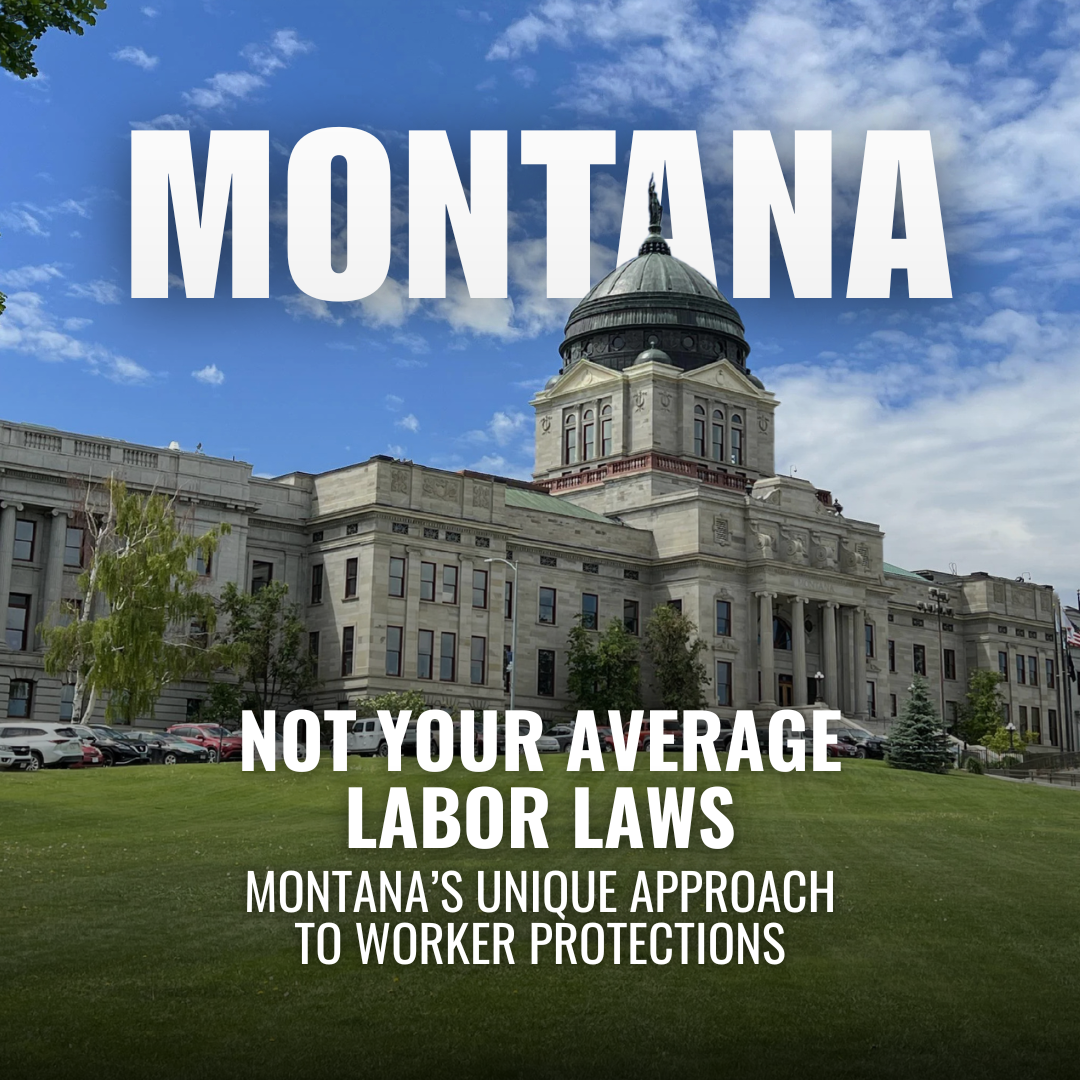
Montana has always stood out when it comes to labor laws, and in 2025, that uniqueness continues to evolve. From how breaks are handled to how workers are classified and protected from wrongful termination, recent updates (and reaffirmations of existing practices) are making employers reassess policies and giving employees a clearer picture of their rights. Whether you're a small business owner in Billings or a high school student working a summer job in Missoula, here's what you need to know about the key changes—and what's stayed the same.
Key Changes and Updates in Montana Labor Law
Breaks and Rest Periods: Still a Federal Default
Montana doesn’t have a state-specific law requiring employers to provide breaks or meal periods to nonexempt workers. So, unless an employer sets a policy, the federal Fair Labor Standards Act (FLSA) fills in the gap.
Here’s how it plays out in practice:
- Employers are not legally required to offer rest or meal breaks.
- If short breaks (typically under 20 minutes) are given, they must be paid.
- Meal breaks (30 minutes or more) can be unpaid only if the employee is completely off-duty.
- That means if you’re answering phones or checking emails during lunch? That’s not a real break under the law.
This approach leaves a lot of flexibility for employers but also places the burden on them to clarify their internal break policies.
Child Labor Laws: Safeguarding Minors’ Work Hours
Montana has fairly detailed guidelines for workers under 16, and in 2025, those protections remain intact. The focus continues to be on ensuring that school and safety come first.
Here's a breakdown of the working hours for minors under 16:
- During the school year:
- Cannot work before 7 a.m. or after 7 p.m.
- Max 3 hours on a school day, and 18 hours in a school week
- During summer vacation:
- May work up to 9 p.m.
- Can work up to 8 hours a day, and 40 hours a week
- No work is allowed during school hours unless part of a school-administered work experience program.
- Teens aged 16-17 have more freedom, but employers must still follow whichever law—state or federal—is stricter.
These rules help prevent overwork during the academic year while supporting job opportunities during school breaks.
Employment Classification: Montana’s Standout Approach
One of Montana’s most unique features is that it doesn’t follow the traditional “at-will” employment doctrine like every other state. Instead, it follows the Wrongful Discharge from Employment Act (WDEA)—a law that provides more job security after a probationary period.
Here’s what that means for you in 2025:
- Probationary period: Employers may still terminate employment without cause, typically within the first 12 months, unless they’ve set a shorter timeframe.
- After probation: Employees can only be terminated for “good cause,” which includes things like:
- Performance issues
- Violations of workplace policies
- Business downsizing or legitimate operational needs
- You can’t be fired on a whim after your probation ends—Montana law requires justification.
- WDEA does not apply to union workers or those with fixed-term contracts.
This structure offers greater job stability for Montana employees and forces employers to document performance and reasons more carefully when considering termination.
What This Means in 2025
For Workers:
- You don’t automatically get breaks, but if you do, make sure they’re being handled fairly.
- If you're under 16, there are clear rules protecting your work hours, especially during school.
- After your first year on the job, you’ve got legal protection from arbitrary dismissal—a rare safety net in the U.S.
For Employers:
- Be cautious with your break policies—if you're giving breaks, you need to follow FLSA guidelines.
- If you hire minors, ensure you're tracking school schedules and enforcing hour limits accordingly.
- When it comes to termination, document everything during and after probation. Montana law means you can’t just say “you're fired” without a valid reason after that first year.
Conclusion
Montana’s labor law landscape in 2025 is a blend of consistency and distinctive worker protection. The lack of state break requirements mirrors federal law, but its approach to employment classification continues to offer stronger-than-usual employee rights. For both employers and workers, these laws encourage better communication, clearer expectations, and more accountability on both sides.
Important Note to Consider
This content is intended for informational purposes only. Although we strive to present accurate and up-to-date information, we cannot guarantee that it is completely free from errors or omissions. We encourage users to verify any important details independently and not rely solely on the information provided here.