Retaliation For Discrimination Complaint
Montrose Regional Health Faces Second EEOC Lawsuit Over Age Discrimination and Retaliation
Background
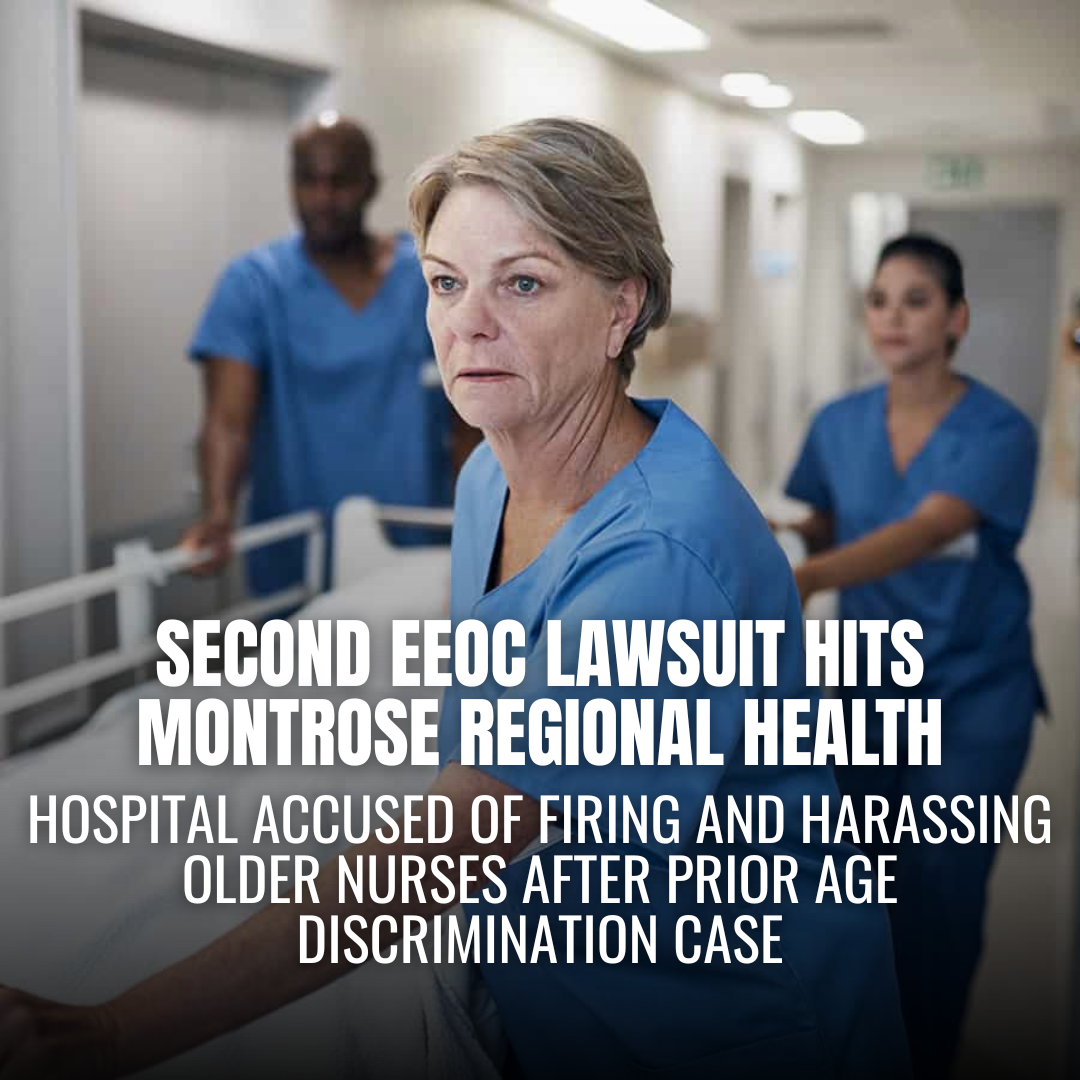
Montrose Regional Health, a major medical facility in Colorado’s San Juan Valley, is once again facing federal legal action over allegations of age discrimination and retaliation. The U.S. Equal Employment Opportunity Commission (EEOC) previously filed a lawsuit against the hospital in 2016, which was resolved in 2018 through a $400,000 settlement and a three-year consent decree. Despite that agreement, the EEOC alleges that the hospital has continued discriminatory practices targeting older employees.
Incident Details
According to the new lawsuit, older nurses working in the Same Day Surgery and Post-Anesthesia Care Unit (SDS/PACU) were subjected to repeated harassment by two senior managers, including the chief nursing officer. During staff meetings, management allegedly made remarks expressing a preference for “younger nurses” who were “more youthful and energetic,” while labeling older staff as “lazy” or unwilling to work hard.
The lawsuit further claims that older nurses faced intensified scrutiny and stricter supervision compared to younger staff members. When several of these nurses raised formal complaints about age-related discrimination, the hospital allegedly failed to investigate or correct the issue. Instead, multiple employees who voiced concerns were terminated in what the EEOC describes as unlawful retaliation.
Legal Background
The allegations fall under the Age Discrimination in Employment Act of 1967 (ADEA), which prohibits employers from discriminating against workers aged 40 and above. The Title VII of the Civil Rights Act of 1964 also protects employees from retaliation for reporting discrimination or harassment in the workplace.
Employers are legally required to investigate complaints of discrimination and to refrain from retaliating against employees who exercise their rights under these laws. Failure to do so may result in significant legal penalties, including damages, reinstatement orders, and ongoing compliance monitoring.
Settlement and Relief
As of this filing, the case (EEOC v. Montrose Memorial Hospital, Inc. d/b/a Montrose Regional Health, Case No. 1:25-cv-03065) is pending in the U.S. District Court for the District of Colorado. The EEOC seeks monetary relief for affected employees, including back pay, compensatory and punitive damages, and injunctive relief requiring the hospital to adopt stronger anti-discrimination policies and training measures to prevent future violations.
Key Takeaways
- Repeated Violations: This is the second EEOC lawsuit against Montrose Regional Health for similar age-based discrimination claims within less than a decade.
- Retaliation Risk: The case underscores that firing or disciplining employees for reporting discrimination is a separate and serious violation under federal law.
- Employer Accountability: Organizations that have previously settled discrimination cases are expected to implement lasting cultural and procedural reforms to prevent recurrence.
Conclusion
The EEOC’s renewed action against Montrose Regional Health highlights ongoing challenges in combating workplace age discrimination, particularly in the healthcare sector. For employers, the case serves as a reminder that prior settlements do not absolve future responsibility — consistent compliance, training, and enforcement of anti-discrimination policies are essential to maintaining a lawful and inclusive workplace.