EEOC Virginia Lawsuit
Moore Comfort Home Care EEOC Settlement Highlights the Importance of Multiple Reporting Channels
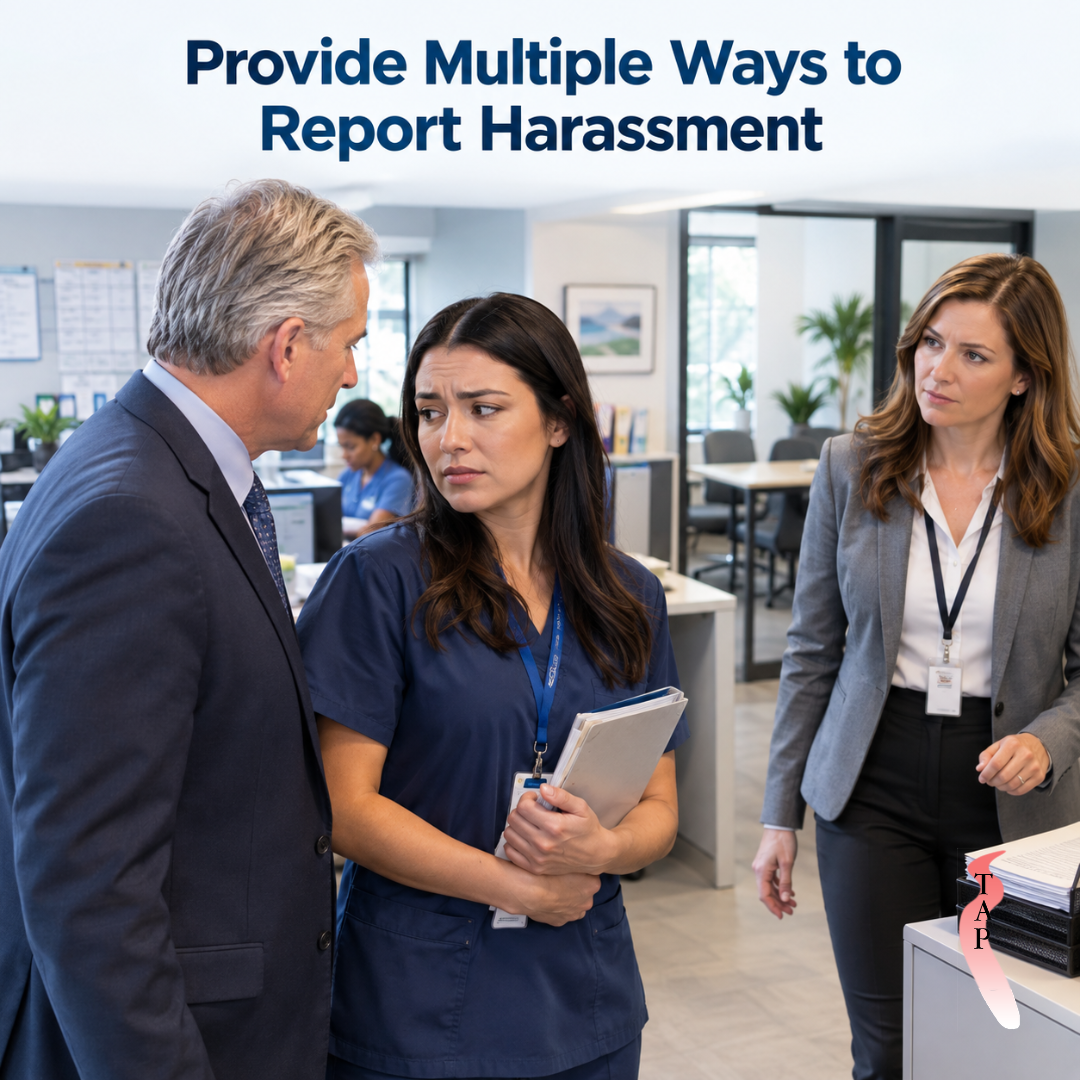
Effective sexual harassment prevention requires more than having a workplace policy. Employees also need accessible reporting procedures, managers need to understand their responsibilities, and employers need to respond appropriately when concerns are raised.
The recent settlement involving Moore Comfort Home Care, LLC highlights these responsibilities in the home healthcare industry. According to the U.S. Equal Employment Opportunity Commission (EEOC), the company agreed to pay $60,000 and implement several compliance measures to resolve a federal sexual harassment lawsuit involving allegations against one of the company's owners.
Background of the Case
Moore Comfort Home Care, LLC is a private home healthcare services provider serving clients in Suffolk, Virginia, and surrounding areas.
The EEOC filed Equal Employment Opportunity Commission v. Moore Comfort Home Care, LLC, Civil Action No. 2:25-cv-00591, in the U.S. District Court for the Eastern District of Virginia, Norfolk Division.
The lawsuit followed the EEOC's efforts to resolve the matter through its voluntary pre-litigation conciliation process. The agency alleged that female employees experienced sexual harassment by one of the company's owners and that another owner was aware of the alleged conduct but failed to take appropriate steps to stop it.
Details of the Incident
According to the EEOC's lawsuit, between at least July 2022 and fall 2023, one of Moore Comfort Home Care's owners allegedly subjected at least three female employees to sexual comments and unwelcome physical touching.
The lawsuit alleges that:
- At least three female employees were subjected to sexual comments.
- The owner allegedly engaged in unwelcome physical touching.
- At least one employee resigned from the company.
- Another company owner was allegedly aware of the ongoing conduct.
- The second owner allegedly failed to take steps to stop the alleged harassment or otherwise protect employees.
The allegations illustrate the importance of having reporting procedures that do not require employees to raise concerns with the person accused of misconduct or someone closely connected to that individual.
These are allegations made by the EEOC and should not be treated as proven findings. The lawsuit was resolved through a consent decree.
Legal Background
Title VII of the Civil Rights Act of 1964 prohibits employment discrimination based on sex, including sexual harassment in the workplace.
Employers should establish reasonable procedures for employees to report potential harassment and should make those procedures accessible to workers. Reporting systems can be particularly important when the person accused of misconduct holds a position of authority within the organization.
Employers should consider providing multiple reporting channels so employees have alternatives when reporting to a direct supervisor, owner, or manager may create a conflict of interest.
A comprehensive approach can include:
- Written anti-harassment and discrimination policies.
- Multiple methods for reporting workplace concerns.
- Designated personnel responsible for receiving complaints.
- Clear escalation procedures.
- Training for managers and supervisors.
- Protections against retaliation.
- Documentation of complaints and employer responses.
Settlement Status and Relief Sought
Moore Comfort Home Care agreed to pay $60,000 in damages to affected employees under a three-year consent decree resolving the lawsuit.
In addition to monetary relief, the settlement requires the company to implement several compliance measures, including:
- Revising its anti-harassment and discrimination policy.
- Hiring a third-party monitor.
- Conducting training on its anti-harassment and discrimination policy.
- Posting employee notices explaining how workers can report harassment.
- Submitting regularly scheduled compliance reports to the EEOC.
These requirements extend beyond monetary relief and focus on strengthening the company's workplace policies, reporting procedures, training, and compliance oversight.
Key Takeaways from the Case
The Moore Comfort Home Care settlement provides several lessons for employers.
- Provide multiple reporting options. Employees should not have to report alleged discrimination to the person accused of misconduct or someone closely connected to that individual.
- Make reporting procedures easy to understand. Employees should know who they can contact and what methods are available.
- Train management. Owners, supervisors, and managers should understand how to respond when an employee raises a harassment concern.
- Do not ignore reports involving senior employees. Complaints involving owners or other senior leaders should be handled through appropriate independent channels.
- Review policies regularly. Anti-harassment policies should remain clear, accessible, and consistent with the organization's reporting procedures.
- Consider independent oversight. Third-party monitoring can provide additional accountability when required as part of a settlement or compliance program.
- Document the response. Employers should maintain appropriate records showing how complaints were received and addressed.
Broader Implications for Employers
Home healthcare organizations can face unique workplace challenges because employees may work independently or in clients' homes rather than in a traditional centralized office.
This makes communication about workplace policies and reporting procedures particularly important. Employees may have fewer opportunities to speak with management in person, making accessible reporting channels essential.
Employers in home healthcare and other service industries can strengthen their harassment prevention programs by:
- Providing harassment prevention information during onboarding.
- Clearly explaining multiple reporting channels.
- Training owners, managers, and supervisors on complaint procedures.
- Establishing a process for escalating complaints involving senior leadership.
- Reviewing employment decisions and workplace treatment after an employee raises a complaint.
- Providing employees with written information about how to report concerns.
- Regularly reviewing policies and training materials.
- Maintaining appropriate documentation of complaints and responses.
An effective reporting system should be practical for employees to use. Simply having a policy in an employee handbook may not be enough if workers do not know where to find it or how to use the available reporting channels.
The Importance of Sexual Harassment Training
Sexual Harassment Training | TAP Series®
Sexual harassment training can help employees and managers understand workplace expectations and the steps to take when concerns arise.
Training can reinforce:
- Employee awareness: Employees can learn to recognize inappropriate sexual conduct and understand workplace expectations.
- Reporting procedures: Workers can learn how to use available reporting channels and where to seek assistance.
- Supervisor responsibilities: Managers can understand their responsibilities when employees report potential harassment.
- Workplace respect: Training can reinforce professional boundaries and respectful interactions.
- Prevention strategies: Employers can incorporate training into broader efforts to prevent and address workplace harassment.
Training should be part of a broader compliance program that includes clear policies, multiple reporting options, appropriate complaint procedures, and consistent management practices.
Conclusion
The $60,000 Moore Comfort Home Care settlement highlights the importance of giving employees meaningful ways to report workplace harassment. According to the EEOC's allegations, at least three female employees experienced alleged sexual comments and unwelcome physical touching, while another company owner was allegedly aware of the conduct without taking sufficient steps to stop it.
The three-year consent decree requires Moore Comfort Home Care to revise its policies, provide training, establish employee reporting notices, hire a third-party monitor, and submit compliance reports to the EEOC.
For employers, multiple harassment reporting channels can be an important part of a broader workplace compliance strategy. Clear policies, trained leadership, accessible reporting procedures, and appropriate oversight can help organizations respond more effectively when employees raise concerns.