TAP Series Sexual Harassment Training
Norfolk Home Health Care Company Sued for Sexual Harassment of Female Employees
Background
Moore Comfort Home Care, LLC, a Norfolk-based provider of private home health services, is facing legal action after allegations surfaced that one of its owners repeatedly subjected female employees to sexual harassment between 2021 and 2023. The case highlights ongoing concerns about harassment in small- to medium-sized workplaces, where power imbalances and close working environments can create hostile conditions for employees.
Details of the Incident
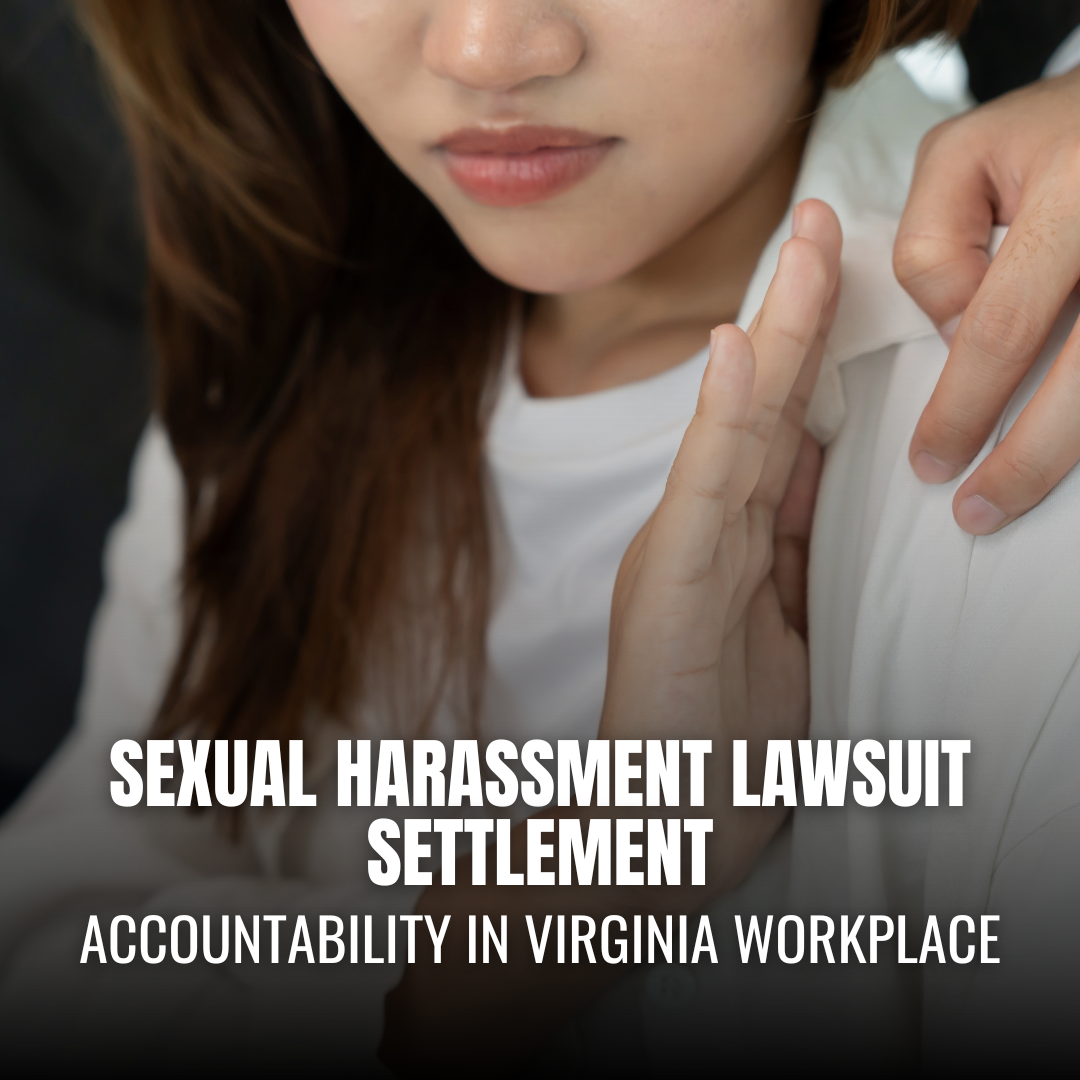
According to the lawsuit, at least three female employees were targeted by one of the company’s owners. The alleged misconduct included sexually suggestive remarks, unwanted physical touching, and repeated advances. Employees resisted these advances, with some reporting the harassment to another company owner. At least one employee resigned due to the intolerable work environment, underscoring the severe impact the harassment had on staff.
Legal Background
The Equal Employment Opportunity Commission (EEOC) filed suit in the U.S. District Court for the Eastern District of Virginia, Norfolk Division (Case No. 2:25-cv-00591). The case is brought under Title VII of the Civil Rights Act of 1964, which prohibits sexual harassment and retaliation in the workplace. Employers are legally obligated to prevent and correct harassment and to protect employees from being forced out of their jobs due to unlawful conduct.
Settlement and Relief
The case is ongoing, and the court will determine liability and any financial or injunctive relief. If resolved through settlement or a consent decree, Moore Comfort Home Care may be required to compensate affected employees, revise workplace policies, and implement mandatory training to prevent future incidents.
Key Takeaways
- Employer Responsibility: Owners and managers have a heightened duty to maintain a harassment-free workplace.
- Employee Protection: Title VII protects workers from both harassment and retaliation when they report misconduct.
- Risk of Litigation: Failure to address harassment complaints can result in lawsuits, financial penalties, and reputational damage.
Conclusion
The lawsuit against Moore Comfort Home Care serves as a reminder that harassment prevention is not optional—it is a legal and ethical obligation. Ignoring or mishandling complaints can have devastating consequences for employees and employers alike.
Recommendation: Preventing Harassment with TAP Series Training
Workplace harassment cases like this demonstrate the urgent need for proactive education and training. TAP Series is a leader in online compliance training, offering accessible, high-quality sexual harassment prevention courses designed for busy o rganizations. By partnering with TAP Series, businesses can protect their employees, ensure compliance with Title VII, and foster a safer, more respectful workplace culture.