Federal Disability Law Compliance
Outsourcing Firm Pays $250K After Firing Blind Employee Over Denied Software Accommodation
Background
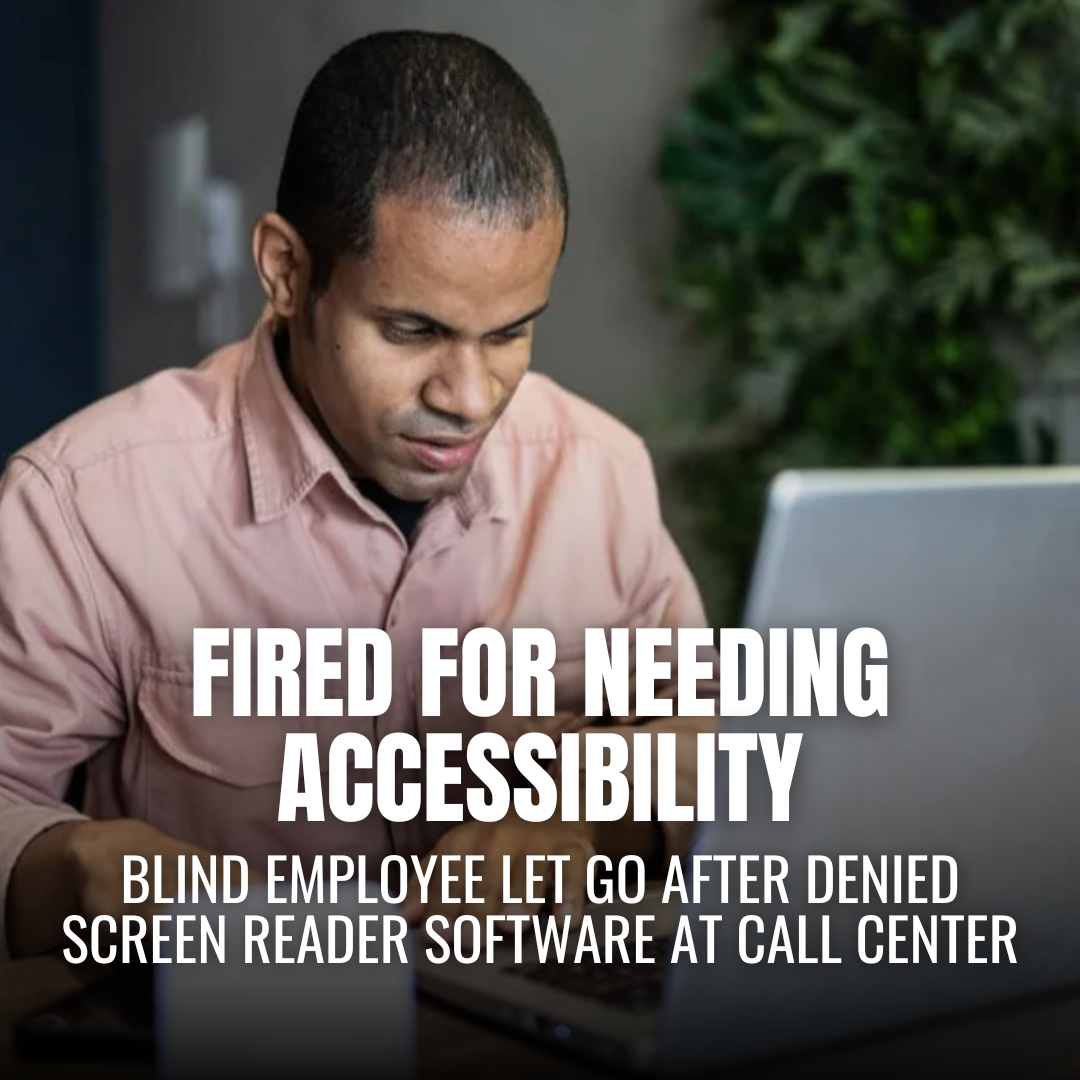
The Results Companies, a Florida-based outsourcing firm operating a call center in Wichita Falls, Texas, faced a federal lawsuit after terminating a blind employee who requested screen reader software to perform her job as a customer service representative. The U.S. Equal Employment Opportunity Commission (EEOC) filed suit after failed attempts to reach a pre-litigation settlement.
Incident Details
After being hired, the blind employee requested the use of screen reader software—a standard accommodation that converts on-screen text to synthesized speech. She also offered suggestions to assist the company in facilitating the accommodation, including contacting her vocational counselor and the software provider. The company declined to take action or seek external support and subsequently fired the employee, citing her need for the accommodation as the basis for dismissal.
Legal Background
The Americans with Disabilities Act (ADA) prohibits employers from discriminating against qualified individuals with disabilities. Under the ADA, employers are required to provide reasonable accommodations unless it imposes an undue hardship. Failing to engage in the interactive process or to explore potential accommodations violates federal law.
Settlement and Relief
The Results Companies agreed to pay $250,000 to the affected employee and to implement systemic changes to prevent future violations. Under a two-year consent decree approved by the U.S. District Court for the Northern District of Texas, the company must:
- Conduct ADA compliance training
- Establish procedures to evaluate accommodation requests
- Improve accessibility for employees needing screen reader technology
Key Takeaways
- Employers must evaluate accommodations on a case-by-case basis—general objections are not legally sufficient.
- Failure to engage in the interactive process may lead to legal consequences.
- Screen reader software is a common and reasonable accommodation—not a hardship in most workplaces.
Conclusion
This case underscores the legal and ethical obligations employers have when addressing disability accommodation requests. The settlement emphasizes the need for thoughtful and informed evaluation of employee needs, especially when they relate to basic access to job functions. Companies that fail to comply with ADA guidelines risk litigation, financial loss, and damage to their reputation.