Sexual Harassment Training Program
Pacific Culinary and CB Foods Settle EEOC Sexual Harassment and Retaliation Lawsuit for $245,000
Background
Pacific Culinary Group, Inc. and CB Foods, Inc., two California-based Asian food companies, have agreed to pay $245,000 to settle a sexual harassment and retaliation lawsuit filed by the U.S. Equal Employment Opportunity Commission (EEOC). The lawsuit involved allegations that the companies failed to protect their employees from persistent sexual harassment and retaliated against those who spoke out.
The EEOC’s legal action represents a class of male and female food production workers at the companies’ Monterey Park facility, including employees with limited English proficiency, who were subjected to workplace misconduct.
Incident
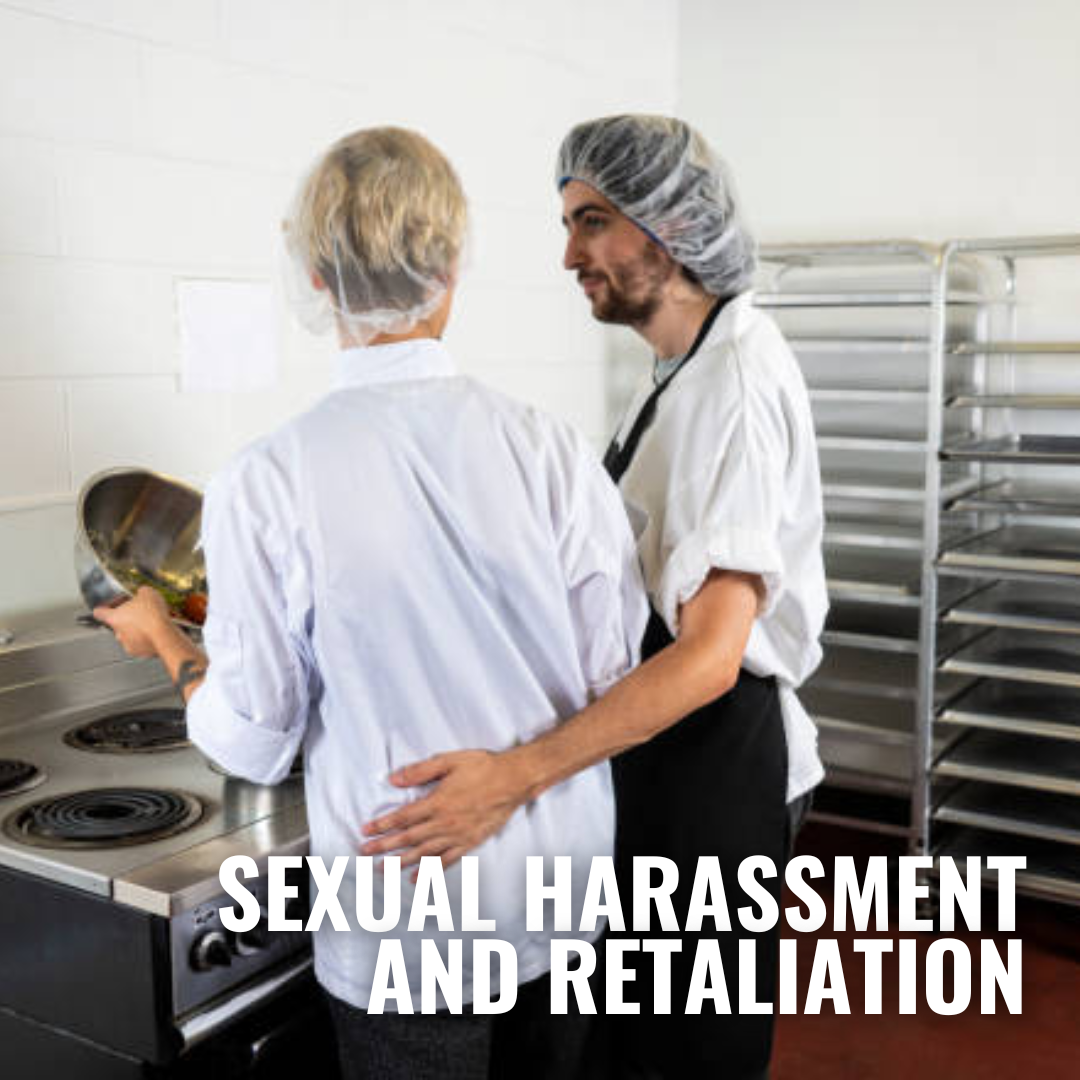
According to the lawsuit, the Chief Operating Officer (COO) of Pacific Culinary and CB Foods engaged in ongoing sexual harassment of both male and female employees. The harassment included:
- Unwelcome sexual advances, including inappropriate physical contact such as groping.
- Frequent offensive remarks about employees’ physical appearances.
- Sexually explicit questions regarding employees’ personal and intimate lives.
Despite multiple complaints, the companies allegedly failed to take corrective action, allowing the misconduct to continue unchecked. The lawsuit further claims that employees who reported the harassment faced retaliation, including:
- Increased harassment after filing complaints.
- Disciplinary actions against those who spoke up.
- Unlawful termination of employees who opposed the misconduct.
Some workers ultimately felt compelled to resign from their jobs due to the toxic work environment, constituting constructive discharge under federal employment law.
Legal Background
The EEOC charged that the companies’ actions violated Title VII of the Civil Rights Act of 1964, which prohibits:
- Sex-based workplace discrimination, including sexual harassment.
- Retaliation against employees who report or oppose discrimination.
After failing to reach a pre-litigation settlement through conciliation, the EEOC filed the lawsuit (EEOC v. Pacific Culinary Group, Inc. et al., Case No. 2:23-cv-03018 FLA [MARx]) in the U.S. District Court for the Central District of California.
Settlement and Relief Measures
To resolve the case, Pacific Culinary, CB Foods, and their successor, JRC Culinary Group, agreed to:
- Pay $245,000 in monetary relief to affected employees.
- Review and revise company policies to ensure compliance with federal anti-discrimination laws.
- Provide mandatory sexual harassment training for all employees, including managers and supervisors.
- Implement a formal complaint system, featuring:
- A toll-free complaint hotline.
- An online complaint portal for reporting misconduct.
- Conduct workplace audits to ensure accountability for discrimination and retaliation.
The court-approved consent decree, signed by U.S. District Judge Fernando L. Aenlle-Rocha on May 29, 2024, places the companies under court supervision for three and a half years to ensure compliance with the settlement terms.
Key Takeaways
- Failure to Address Harassment Can Lead to Legal and Financial Consequences – Ignoring employee complaints can result in lawsuits, costly settlements, and reputational damage.
- Retaliation Against Employees Is a Serious Violation – Employers must protect employees who report misconduct rather than punishing them.
- Comprehensive Training and Policies Are Essential – Organizations must establish clear anti-harassment policies and ensure all employees, including leadership, undergo effective training.
Conclusion
This case underscores the importance of proactively addressing workplace harassment and retaliation. Companies must establish safe and accessible reporting mechanisms, act swiftly on complaints, and foster a culture of respect and accountability to avoid legal repercussions.
Recommendation: Sexual Harassment Training with TAP Series
To prevent similar issues, businesses should invest in TAP Series Sexual Harassment Training, which offers effective education for employees and management on identifying, reporting, and preventing harassment. Proper training helps companies comply with legal requirements and maintain a safe and respectful workplace.