Employee Rights Pregnancy
Pita Pit Operator Sued for Firing Pregnant Employee Over Accommodation Request
Background
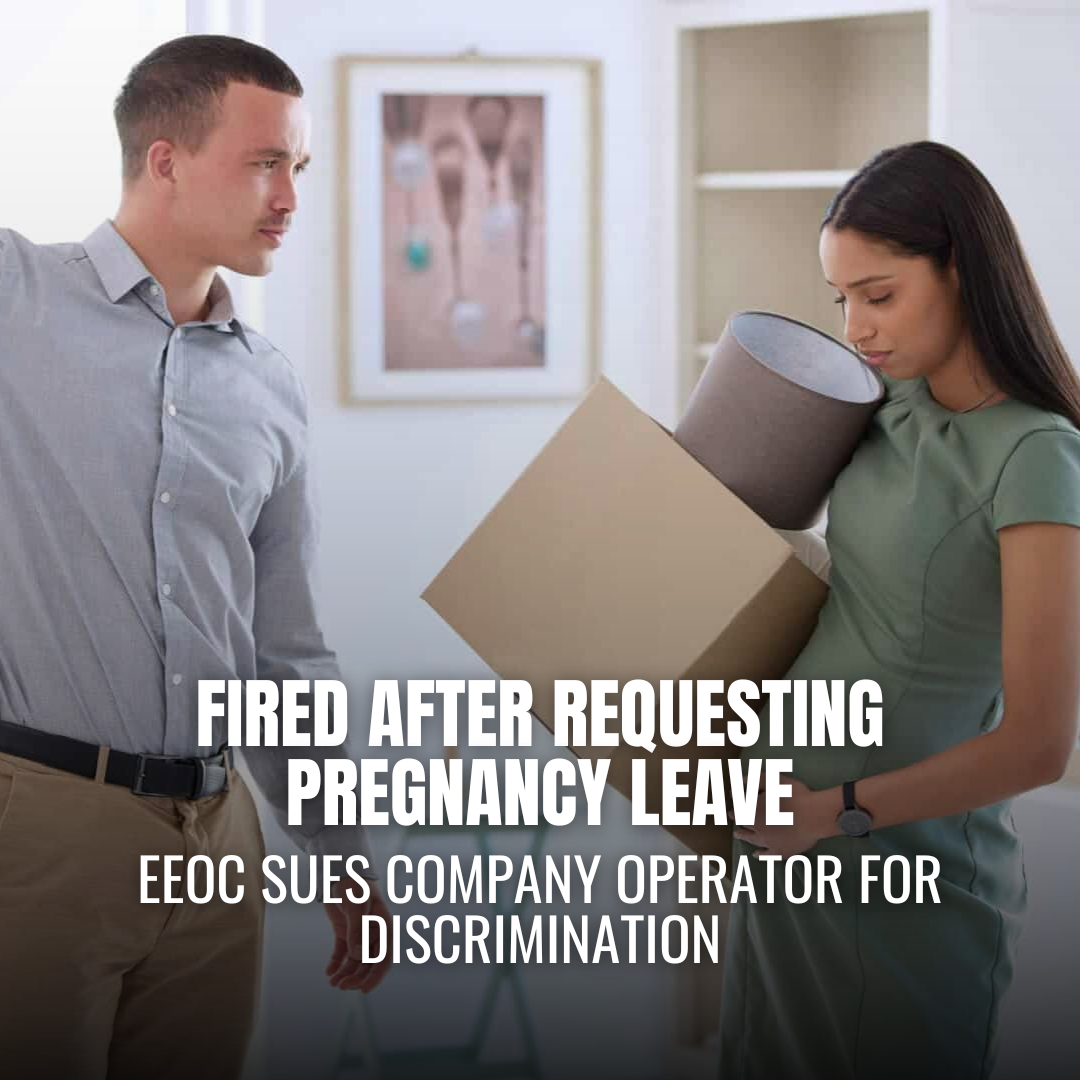
QSR Pita USA Inc., the operator of several Pita Pit restaurants, is facing legal action from the U.S. Equal Employment Opportunity Commission (EEOC) after allegedly terminating a pregnant employee who requested work accommodations due to pregnancy-related illness. The incident occurred at a Pita Pit location in Sioux Falls, South Dakota.
Incident Details
The employee notified her employer of her pregnancy and requested a temporary continuation of remote work and a brief leave due to nausea caused by the pregnancy. Instead of providing accommodations or engaging in further discussion, the company terminated her employment, reportedly citing the pregnancy as a “distraction.”
Legal Background
Under Title VII of the Civil Rights Act of 1964, discrimination on the basis of sex—including pregnancy—is prohibited. Additionally, the Americans with Disabilities Act (ADA) protects workers who may be affected by pregnancy-related conditions that qualify as temporary disabilities. These laws require employers to consider reasonable accommodations and prohibit termination based on such conditions.
Relief Sought
The EEOC filed suit in the U.S. District Court for the District of South Dakota (Case No. 4:25-cv-04109) against QSR Pita USA Inc., its shareholders, and successor company BubbaMax LLC. The EEOC is pursuing compensatory and punitive damages for the affected employee and injunctive relief to prevent future discriminatory practices.
Key Takeaways
- Employers must consider and engage in an interactive process for pregnancy-related accommodation requests.
- Terminating an employee for disclosing pregnancy or seeking medical leave can constitute unlawful discrimination.
- Businesses are accountable under both Title VII and the ADA for how they respond to employee medical or disability-related needs.
Conclusion
This case highlights the importance of compliance with federal anti-discrimination laws and the consequences of dismissing legitimate accommodation requests from pregnant employees. The outcome may serve as a warning to other employers in the food and retail industry to ensure policies and practices are aligned with federal requirements for equal employment opportunity.