Insurance Company ADA Violation
Puerto Rico Insurance Firms Settle Disability Discrimination Lawsuit for $100K Over Failure to Accommodate Employee with Fibromyalgia
Background
Disability discrimination in the workplace remains a persistent issue despite federal protections under the Americans with Disabilities Act (ADA). In a recent case, a Puerto Rico-based insurance provider faced legal action after failing to accommodate an employee who had been diagnosed with fibromyalgia, a chronic condition known to cause widespread pain and fatigue. The case was brought to light following years of unfulfilled accommodation requests, ultimately leading to federal intervention.
Incident Details
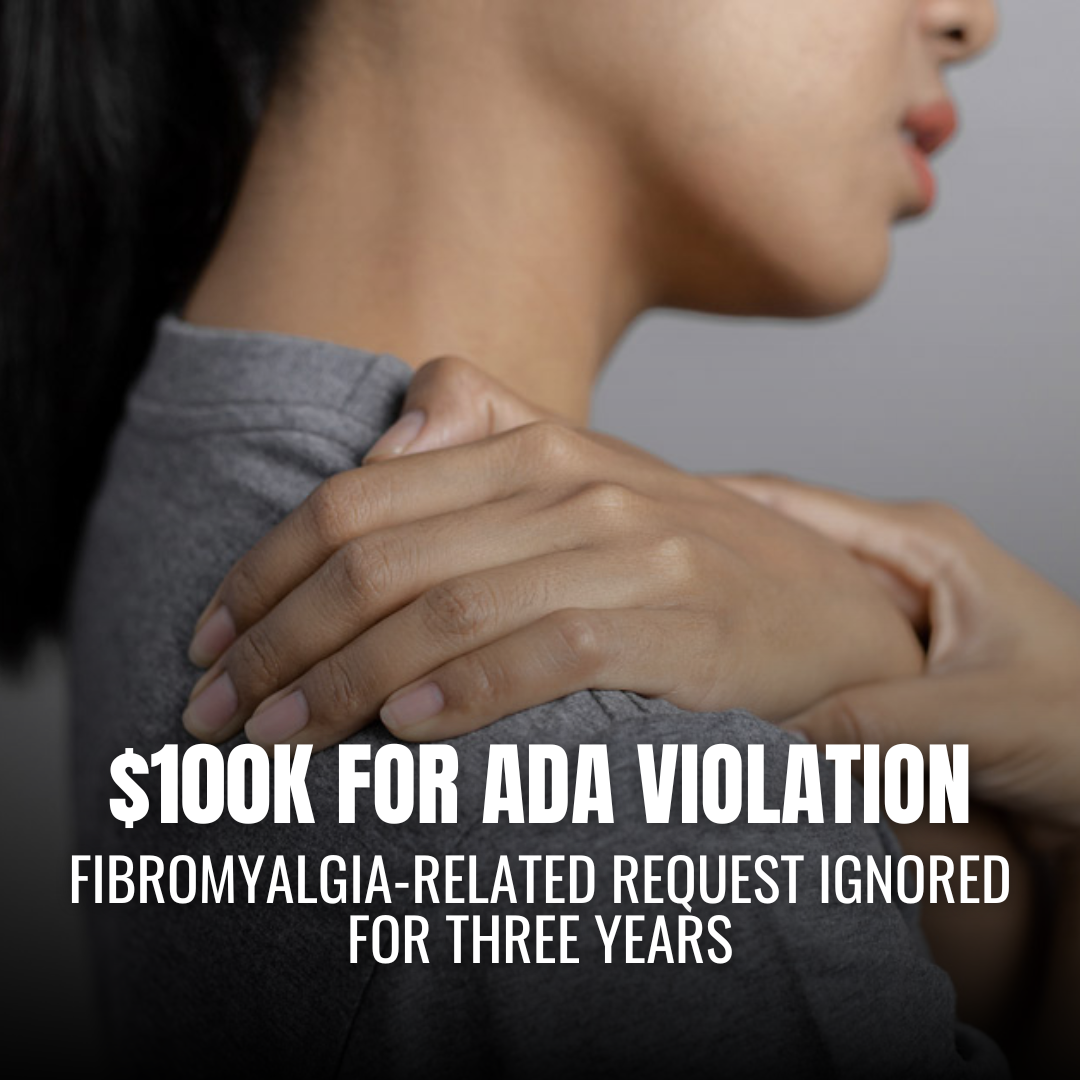
Triple-S Vida, Inc. and Triple-S Management Corp. (collectively referred to as “Triple-S”) were sued by the U.S. Equal Employment Opportunity Commission (EEOC) for allegedly violating the ADA. According to court filings, a traveling sales agent employed by Triple-S requested to be reassigned to an in-office role due to limitations caused by fibromyalgia, which made prolonged driving difficult.
Despite the employee’s request for a reasonable accommodation, Triple-S delayed the reassignment for approximately three years. This prolonged inaction prompted the EEOC to initiate legal proceedings after failed attempts to reach a pre-litigation settlement through conciliation.
Legal Background
The Americans with Disabilities Act (ADA) prohibits discrimination against individuals with disabilities in all areas of public life, including employment. Under the ADA, employers are required to provide reasonable accommodations to qualified employees with disabilities, as long as such accommodations do not cause undue hardship to the business. Reassignment to a vacant position is explicitly identified as a form of reasonable accommodation.
Failure to provide timely accommodations may constitute a violation of the ADA, regardless of whether the employee can still perform job duties without them. Delays in providing accommodations can be deemed as a denial of rights under federal law.
Settlement and Relief
Triple-S agreed to a three-year consent decree to resolve the lawsuit. As part of the settlement terms, the company will pay $100,000 in compensatory damages to the affected employee. Additionally, Triple-S is required to:
- Revise its reasonable accommodation policies.
- Conduct specialized ADA training for its human resources and recruitment staff.
- Report to the EEOC on the implementation of these changes.
These measures aim to ensure compliance with federal law and to prevent similar incidents from occurring in the future.
Key Takeaways
- Timely Action Matters: Delays in providing reasonable accommodations can constitute ADA violations, even without outright denial.
- Reassignment Is a Valid Option: The ADA identifies reassignment to a vacant position as a reasonable accommodation, not merely a last resort.
- Policy and Training Are Essential: Proper HR policies and regular training are critical in preventing disability discrimination and ensuring legal compliance.
Conclusion
The Triple-S case serves as a critical reminder that employers must respond promptly and appropriately to accommodation requests under the ADA. Beyond financial penalties, such cases highlight the importance of institutional change and proactive compliance with federal regulations. Employers should take note of the legal risks associated with delayed accommodations and reinforce training to uphold the rights of workers with disabilities.