Restaurant Workplace Compliance
Rivers Edge Bar and Grill Settlement Highlights Employer Responsibility to Prevent Harassment and Retaliation
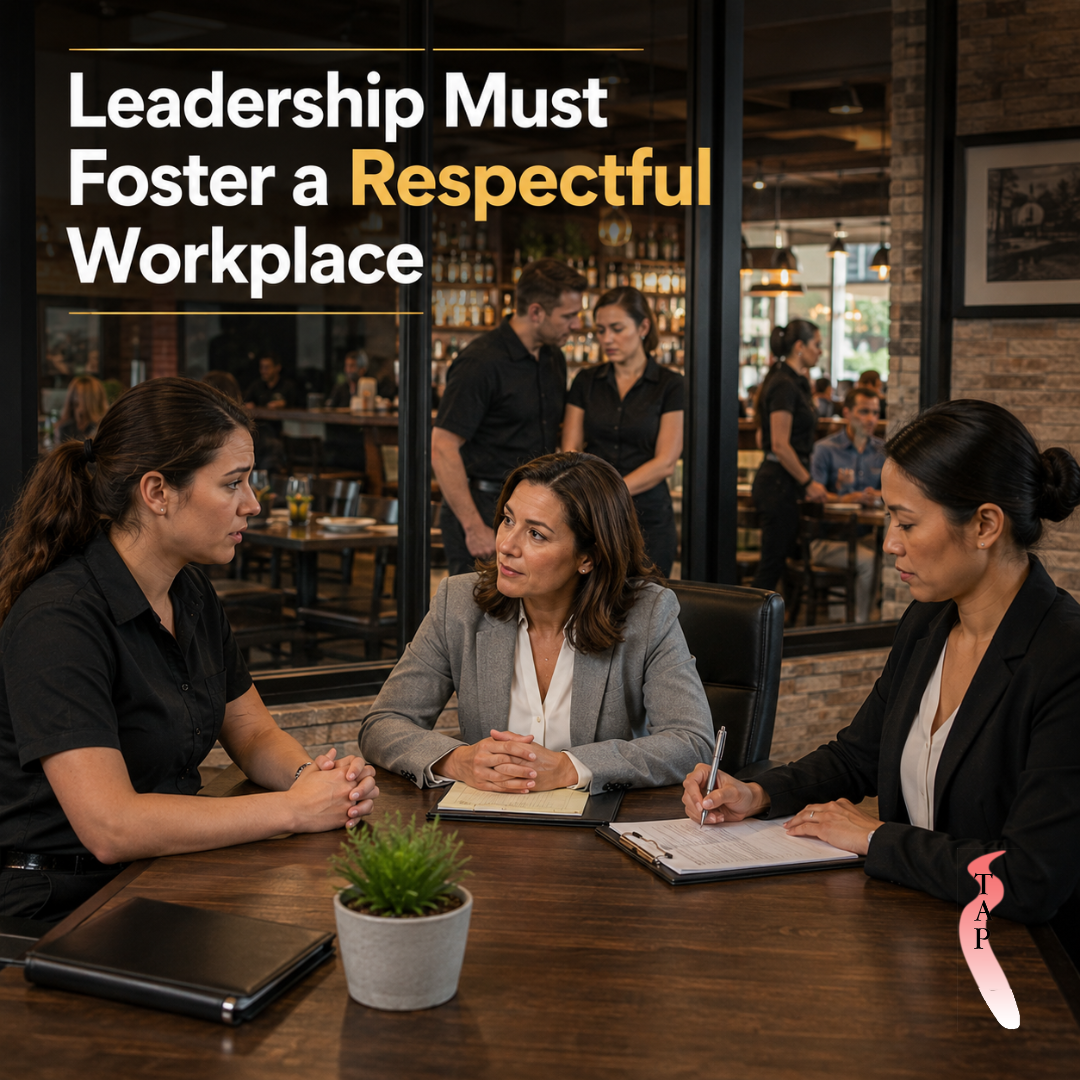
Employers have a legal obligation to maintain workplaces free from harassment and to respond appropriately when employees report misconduct. A recent U.S. Equal Employment Opportunity Commission (EEOC) settlement involving Rivers Edge Enterprises, LLC, doing business as River's Edge Bar and Grill, illustrates the importance of leadership accountability, effective reporting procedures, and prompt corrective action when harassment allegations arise. The case also serves as a reminder that retaliation against employees who report concerns may violate federal law.
Background of the Case
The EEOC filed a lawsuit against Rivers Edge Enterprises, LLC, which operates River's Edge Bar and Grill in Gibsonton, Florida.
According to the EEOC, one of the restaurant's owners allegedly engaged in ongoing sexual harassment of female employees and retaliated against an employee after she complained about the conduct. The lawsuit was filed after the EEOC attempted to resolve the matter through its administrative conciliation process.
The case, EEOC v. Rivers Edge Enterprises, LLC d/b/a River's Edge Bar and Grill, Case No. 8:24-cv-2090-WFJ-AAS, was filed in the U.S. District Court for the Middle District of Florida, Tampa Division.
Details of the Incident
According to the EEOC's allegations, one of the restaurant's owners engaged in repeated inappropriate workplace conduct involving female employees.
The complaint alleges the conduct included:
- Sexually charged conversations
- Questions regarding sexual acts
- Showing employees pornographic websites
- Instructing employees to refer to him as "daddy"
- Unwanted physical touching
- Sending sexually suggestive text messages and images
- Sending photographs of firearms to female employees
The EEOC also alleged that after a female employee complained about the harassment, she was terminated in July 2022.
These allegations were resolved through a consent decree and were not decided by a court following a trial.
Legal Background
Title VII of the Civil Rights Act of 1964 prohibits discrimination based on sex, including workplace sexual harassment and retaliation.
Employers may face liability when:
- Owners or supervisors engage in unlawful harassment.
- Complaints are ignored or inadequately investigated.
- Employees experience retaliation after reporting concerns.
- Organizations fail to implement effective reporting and prevention measures.
Leadership is expected to set appropriate workplace standards and respond promptly whenever concerns are raised.
Settlement Status and Relief
Under the three-year consent decree, River's Edge Bar and Grill agreed to provide both monetary and injunctive relief.
The settlement includes:
- $65,000 in monetary relief
- Appointment of an independent outside monitor
- Workplace investigations conducted by the monitor during the decree
- Sexual harassment training
- Revisions to the company's harassment policy and complaint procedures
- Posting a notice regarding the lawsuit
- Biannual reporting to the EEOC regarding sexual harassment complaints
These measures are intended to strengthen workplace compliance and improve the company's response to future complaints.
Key Takeaways from the Case
Employers can learn several important compliance lessons from this settlement:
Leadership must model appropriate workplace behavior
- Owners and managers should be held to the highest professional standards.
Respond immediately to complaints
- Every report of harassment should receive a prompt and impartial investigation.
Protect employees from retaliation
- Workers should be able to report concerns without fear of adverse employment actions.
Maintain effective reporting procedures
- Employees should have clear, confidential avenues for reporting misconduct.
Review workplace policies regularly
- Policies should clearly prohibit harassment, discrimination, and retaliation.
Use independent oversight when appropriate
- Outside monitoring can help improve accountability and reinforce compliance efforts.
Broader Implications for Employers
This settlement demonstrates the heightened risks employers face when allegations involve owners or senior leadership.
Organizations should ensure they have:
- Strong anti-harassment policies
- Multiple reporting channels
- Prompt investigation procedures
- Leadership accountability
- Consistent documentation practices
- Ongoing compliance reviews
Building a respectful workplace requires both written policies and leadership committed to enforcing them consistently.
The Importance of Sexual Harassment Training
Sexual Harassment Training | TAP Series®
Regular workplace education helps employees understand acceptable workplace conduct while preparing supervisors and managers to respond appropriately when concerns arise.
Effective training should cover:
- Employee awareness of prohibited conduct
- Reporting procedures and available reporting channels
- Supervisor and management responsibilities
- Respectful workplace behavior
- Retaliation prevention
- Documentation and investigation expectations
Training should complement clear policies, accessible reporting systems, and consistent organizational accountability.
Conclusion
The EEOC's settlement with Rivers Edge Enterprises highlights the importance of employer accountability when responding to workplace harassment complaints. Although the case was resolved through a consent decree, it underscores the value of strong leadership, effective reporting procedures, comprehensive workplace training, and prompt action to address concerns before they escalate.