Hospital Workplace Policies
Seattle Children's Hospital Settles EEOC Sexual Harassment Case for $125,000
Background
Seattle Children’s Hospital has agreed to pay $125,000 in damages and back pay to resolve a sexual harassment complaint investigated by the U.S. Equal Employment Opportunity Commission (EEOC). The case underscores the importance of employer responsibility in addressing workplace harassment, particularly in healthcare settings where employees interact with colleagues, patients, and visitors.
The EEOC found that the hospital failed to take appropriate action after receiving reports of misconduct, allowing the harassment to persist. This led to the affected employee resigning from her position, citing a hostile work environment.
Incident Details
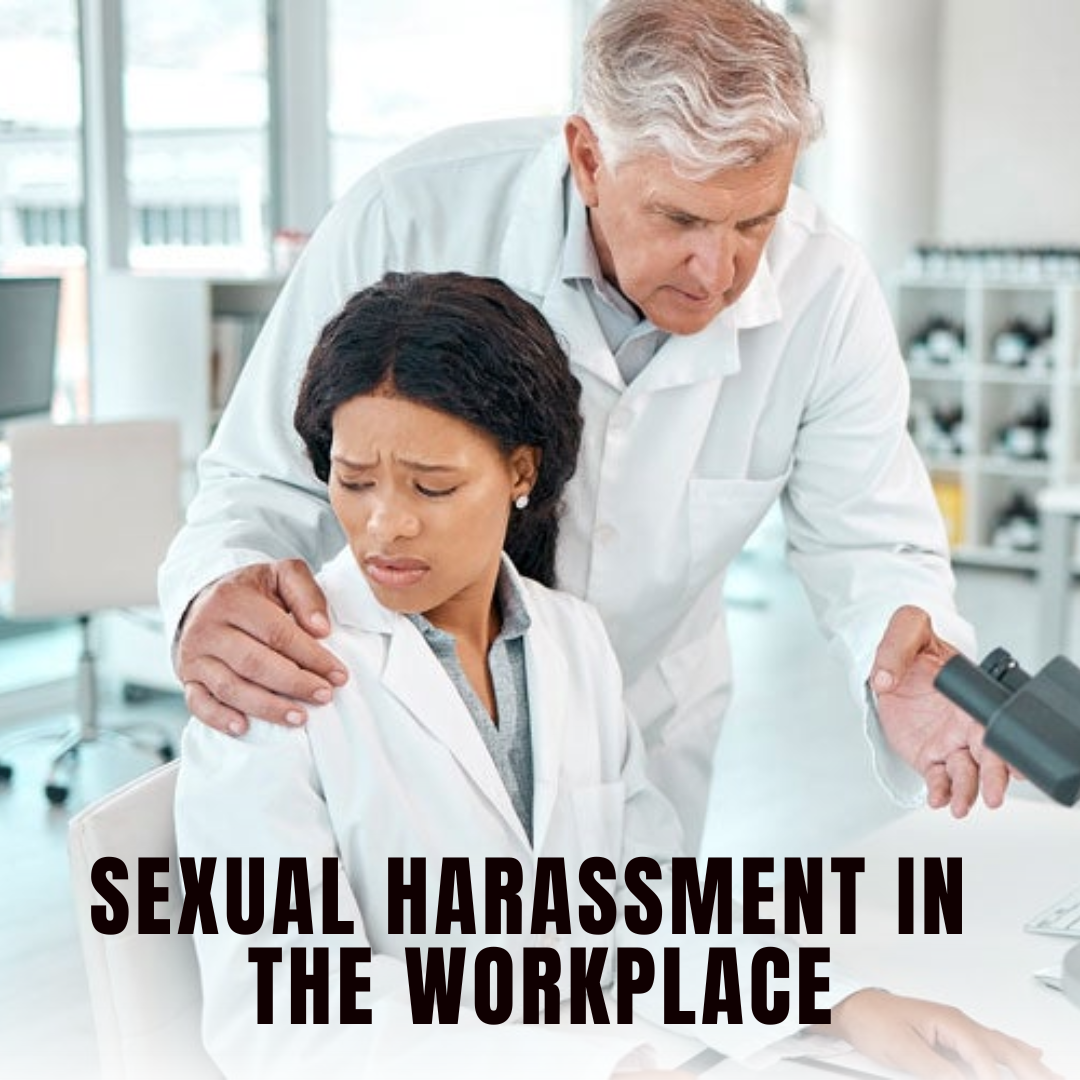
The complaint involved a female nurse who endured unwanted sexual comments and inappropriate conduct over a period of three months. Despite notifying hospital management, no effective intervention was made. The ongoing harassment created a sexually charged work environment, ultimately forcing the nurse to leave her job for her own well-being.
The EEOC determined that Seattle Children’s Hospital was aware of the situation but failed to act, allowing the misconduct to continue unchecked.
Legal Background
The alleged conduct violated Title VII of the Civil Rights Act of 1964, which prohibits:
- Sexual harassment in the workplace, including unwelcome sexual advances and a hostile work environment.
- Employer negligence in responding to harassment complaints.
Title VII mandates that employers must take immediate and appropriate action to investigate and resolve workplace harassment claims. The hospital’s failure to do so placed it in violation of federal law.
Settlement and Relief
To resolve the case, Seattle Children’s Hospital agreed to:
- Pay $125,000 in compensatory damages and back pay to the affected employee.
- Revise its non-discrimination and harassment policies to strengthen protections for employees.
- Implement enhanced training programs for managers and employees involved in handling harassment complaints.
- Conduct mandatory workplace training for all staff to reinforce compliance with federal anti-discrimination laws.
Key Takeaways
- Employers must act on harassment complaints immediately—failure to respond can lead to legal and financial consequences.
- A hostile work environment can lead to employee resignations, lawsuits, and reputational damage.
- Workplace training is essential—educating employees and managers on harassment policies can prevent future violations.
Conclusion
This case serves as a critical reminder that employers must take sexual harassment allegations seriously. A failure to act not only creates legal risks but also damages workplace morale and employee trust. Seattle Children’s Hospital’s policy revisions and mandatory training mark an important step toward fostering a safer and more inclusive work environment.
Recommendation: Sexual Harassment Training with TAP Series
To prevent similar incidents, organizations should invest in comprehensive sexual harassment training. TAP Series offers interactive, legally compliant courses that educate employees on recognizing, preventing, and responding to harassment. Implementing structured training programs ensures legal compliance and creates a respectful workplace culture.