Workplace Diversity And Inclusion Policies
Security Engineers, Inc. to Pay $1.6 Million to Settle EEOC Sex Discrimination Lawsuit
Background
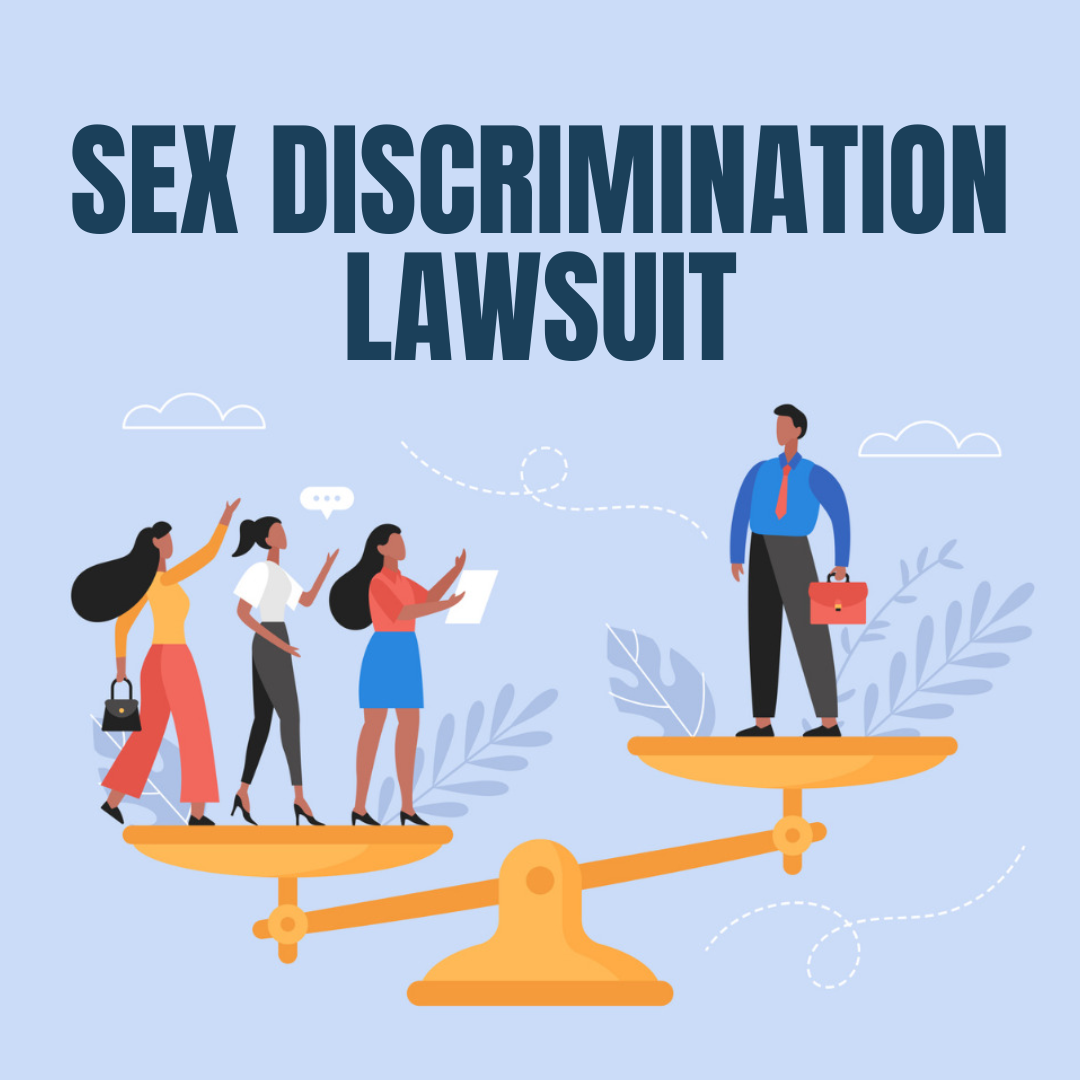
Security Engineers, Inc., a Birmingham, Alabama-based contract security services provider, has agreed to pay $1.6 million to settle a sex discrimination lawsuit filed by the U.S. Equal Employment Opportunity Commission (EEOC). The lawsuit alleged that the company engaged in a systematic pattern of discrimination against female applicants by denying them security officer positions based solely on sex.
Title VII of the Civil Rights Act of 1964 prohibits employment discrimination based on sex, including hiring practices and job assignments. This case highlights ongoing barriers faced by women seeking employment in male-dominated industries like security services.
Incident Details
The EEOC’s investigation found that since at least 2017, Security Engineers, Inc. engaged in blatant sex-based hiring discrimination across Alabama. According to court filings:
- Internal company records contained directives stating: "DO NOT schedule a female for this post" and "Post is MALE ONLY!"
- Some women applicants were told directly that they would not be considered for security roles due to their sex.
- Women with security, military, or law enforcement experience were still denied opportunities based on gender.
- The pattern of discrimination continued for several years, limiting access to employment for qualified female applicants.
The EEOC filed suit in federal court, arguing that these hiring practices constituted a systemic violation of Title VII, which prohibits sex-based discrimination in employment decisions.
Legal Background
Under Title VII of the Civil Rights Act of 1964, employers:
- Cannot make hiring or job assignment decisions based on sex.
- Are prohibited from complying with client requests that involve discriminatory hiring practices.
- Must offer equal employment opportunities to all qualified applicants.
The EEOC sought relief for a class of female applicants who were unlawfully denied security positions. The case (EEOC v. Security Engineers, Inc., Civil Action No. 2:23-cv-01213-AMM) was filed in the U.S. District Court for the Northern District of Alabama.
Settlement and Relief
As part of a three-year consent decree, Security Engineers, Inc. has agreed to:
- Pay $1.6 million to be distributed among affected female applicants.
- Cease all discriminatory hiring practices and comply with federal anti-discrimination laws.
- Eliminate all internal policies and directives restricting hiring based on sex.
- Implement mandatory training programs for hiring personnel on non-discriminatory hiring practices.
- Submit regular reports to the EEOC to ensure compliance with the settlement terms.
The decree also explicitly prohibits the company from complying with client requests that demand only male security officers, reinforcing that hiring decisions must be based on qualifications, not gender.
Key Takeaways
- Gender-based hiring discrimination is illegal. Employers cannot exclude job applicants based on sex, even if clients request it.
- Internal hiring policies must align with federal laws. Directives like "Male Only" or "No Female Applicants" expose companies to significant legal and financial penalties.
- Proactive compliance can prevent costly lawsuits. Regular training, policy reviews, and EEOC compliance measures help companies avoid litigation and reputational damage.
Conclusion
The $1.6 million settlement against Security Engineers, Inc. underscores the legal and financial consequences of sex discrimination in hiring. This case serves as a warning to other employers that systemic hiring biases will not be tolerated under federal anti-discrimination laws. Companies must adopt fair and lawful hiring practices, ensuring that all qualified candidates have equal opportunities, regardless of gender.