Workplace Harassment Prevention
Sexual Harassment Prevention in Healthcare and Senior Care
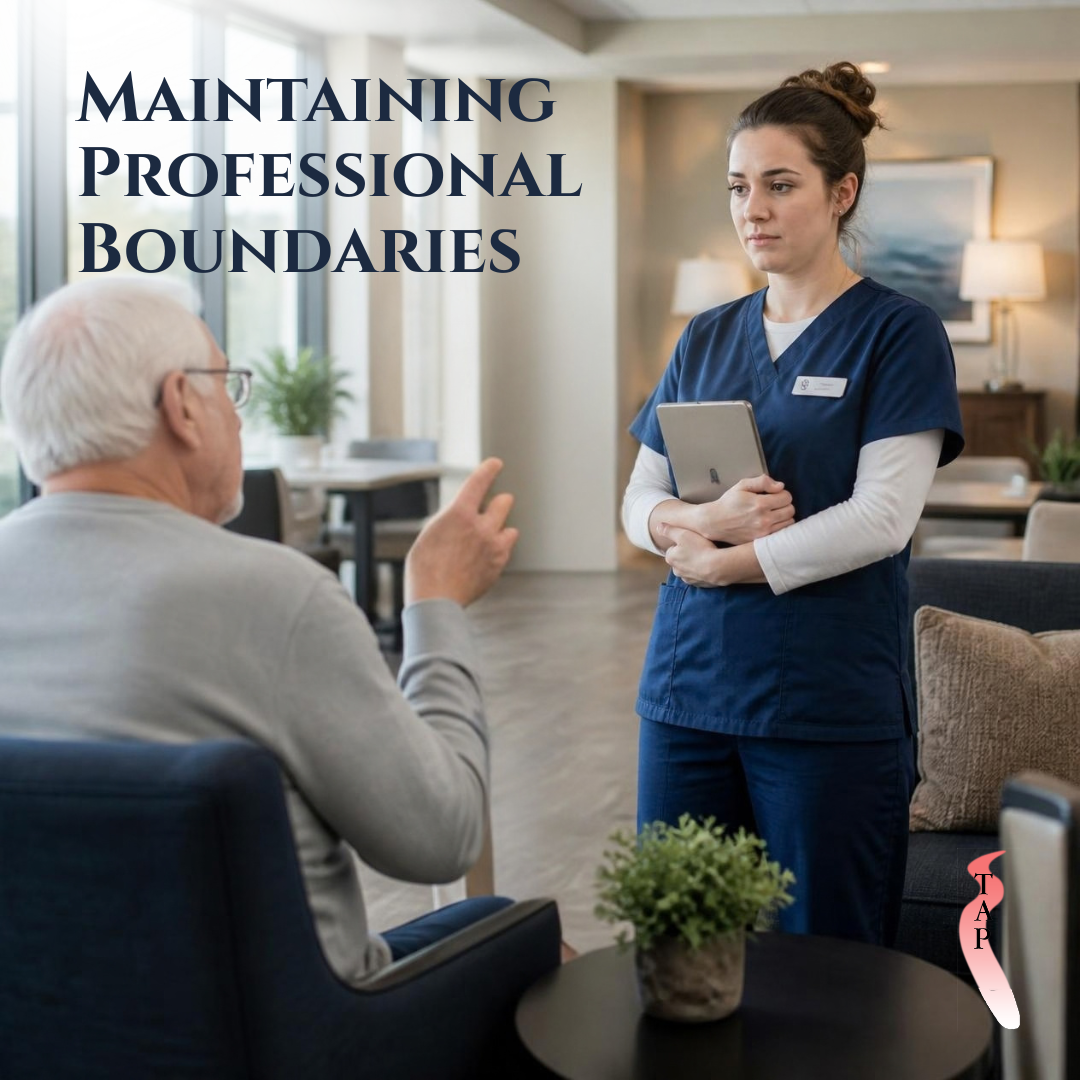
Healthcare and senior care workplaces involve close personal interactions between employees, patients, residents, families, supervisors, and other care professionals. Employees may provide assistance with daily activities, communicate sensitive information, or work in situations that require a high level of trust and professionalism.
Because of these close interactions, clear professional boundaries and effective sexual harassment prevention in healthcare and senior care are important parts of maintaining a respectful workplace.
Professional Boundaries in Care Settings
Healthcare and senior care employees may work in environments where personal space and physical proximity are unavoidable. Providing appropriate care, however, does not eliminate the need for professional boundaries.
Employers can help employees understand the difference between appropriate care-related interactions and inappropriate conduct by establishing clear expectations.
Important areas of focus include:
- Maintaining professional communication
- Respecting personal boundaries
- Following workplace policies for appropriate physical contact
- Avoiding inappropriate jokes, comments, or conversations
- Respecting the dignity of patients and residents
- Reporting conduct that violates workplace policies
Clear expectations can help employees understand how professionalism applies even in situations involving close personal interaction.
Interactions With Patients and Residents
Patients and residents may have different needs, communication styles, and levels of independence. Employees may also encounter inappropriate comments or behavior from patients or residents.
Employers should provide employees with guidance about how to respond when this occurs. Employees should know when and how to report concerns and which supervisors or designated personnel can provide assistance.
Policies should also address situations involving families, visitors, and other individuals who interact with employees in healthcare or senior care environments.
Coworker and Supervisor Conduct
Harassment concerns can also involve interactions between employees. Coworkers may work together for extended periods, while supervisors may have significant influence over scheduling, assignments, evaluations, and other employment matters.
Employers should reinforce expectations regarding:
- Respectful workplace communication
- Appropriate professional relationships
- Personal boundaries
- Supervisor responsibilities
- Reporting workplace concerns
- Anti-retaliation policies
Supervisors should understand that they have responsibilities when employees raise concerns about inappropriate conduct.
Recognizing Potential Harassment
Sexual harassment can involve unwelcome sexual comments, conduct, requests, or other behavior that violates workplace policies or applicable law.
Examples may include:
- Unwelcome sexual jokes or comments
- Repeated unwanted requests for dates or personal attention
- Inappropriate comments about an employee's appearance
- Unwanted physical contact
- Sexual messages or communications
- Displaying inappropriate sexual material
- Retaliation related to reporting a workplace concern
The specific legal analysis depends on the circumstances and applicable law. Employers should provide clear policies explaining prohibited conduct and available reporting procedures.
Creating Effective Reporting Procedures
Employees should understand how to report concerns and who they can contact. Reporting options should be communicated during onboarding and reinforced through workplace training and policies.
Employers should explain:
- Who employees can contact about a concern
- Whether alternative reporting channels are available
- How supervisors should respond to complaints
- How concerns are escalated to appropriate personnel
- What employees should do if their supervisor is involved
- Company policies regarding retaliation
Accessible reporting procedures can make it easier for employees to understand what steps are available when concerns arise.
The Role of Supervisors and Managers
Supervisors play an important role in maintaining professional standards. In healthcare and senior care, they may be among the first people employees approach when they experience or observe inappropriate conduct.
Supervisors should be prepared to:
- Listen to concerns professionally
- Follow established reporting procedures
- Avoid dismissing or minimizing complaints
- Escalate concerns to the appropriate personnel
- Maintain appropriate confidentiality
- Avoid retaliatory behavior
- Apply workplace policies consistently
Supervisors should also understand that concerns may involve coworkers, patients, residents, family members, visitors, contractors, or other individuals.
The Importance of Sexual Harassment Training
Sexual Harassment Training | TAP Series®
Training can help healthcare and senior care employees understand professional boundaries, recognize inappropriate workplace conduct, and become familiar with reporting procedures.
Training can address:
- Employee awareness: Helping employees recognize inappropriate conduct and understand professional boundaries.
- Reporting procedures: Explaining how and where employees can report concerns.
- Supervisor responsibilities: Preparing managers to respond appropriately when concerns are raised.
- Workplace respect: Reinforcing respectful communication between employees and the people they serve.
- Prevention strategies: Helping organizations establish clear expectations for professional conduct.
Training can also help employees understand how workplace policies apply when concerns involve patients, residents, visitors, coworkers, supervisors, or other third parties.
Key Takeaways for Healthcare and Senior Care Employers
Employers can strengthen harassment prevention efforts by:
- Establishing clear boundaries. Explain expectations for professional communication and physical interactions.
- Providing accessible reporting procedures. Make sure employees know where to raise concerns.
- Training supervisors. Ensure managers understand their responsibilities when concerns are reported.
- Addressing patient and resident interactions. Provide guidance for handling inappropriate behavior from individuals receiving care.
- Reinforcing anti-retaliation policies. Employees should understand workplace protections and reporting expectations.
- Providing regular training. Ongoing education can reinforce workplace standards and reporting procedures.
Broader Implications for Employers
Healthcare and senior care organizations operate in environments where employees may have frequent and close interactions with patients, residents, families, coworkers, and other individuals. Prevention efforts should therefore reflect the practical realities of providing care.
Employers should regularly review their workplace policies, reporting procedures, supervisory practices, and training programs. They should also make sure employees understand how to respond when professional boundaries are crossed.
Conclusion
Healthcare workplace harassment prevention involves establishing clear professional boundaries, providing accessible reporting procedures, training supervisors, and educating employees about respectful workplace conduct.
In environments where employees regularly provide personal care and support, consistent expectations can help reinforce professionalism while giving employees clearer guidance about how to respond to inappropriate behavior.