Employer Harassment Prevention
Sexual Harassment Prevention in Workplace Group Chats
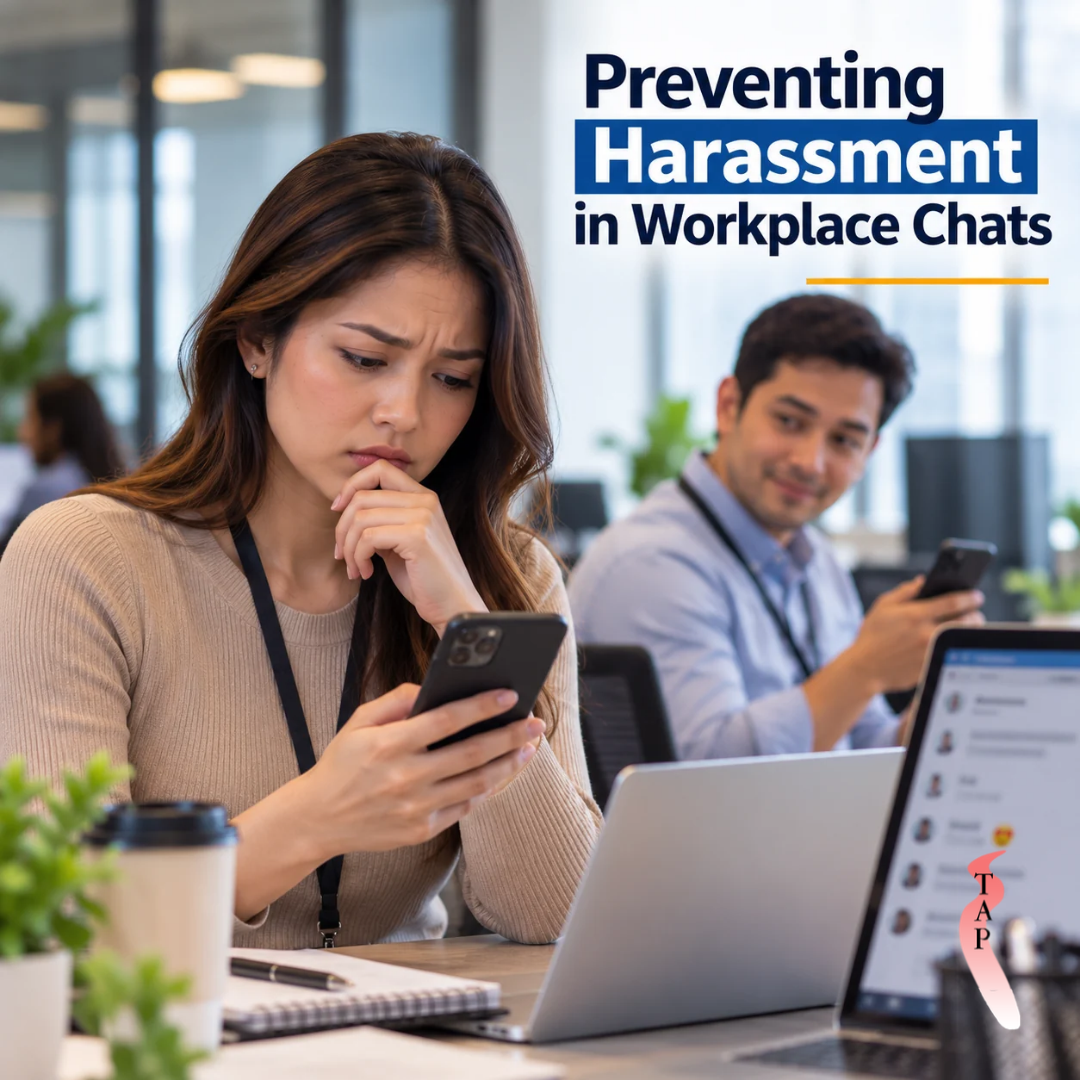
Workplace group chats have become an essential part of daily communication. Employees use messaging platforms to coordinate tasks, share updates, and collaborate with colleagues. However, these digital spaces can also create opportunities for inappropriate conduct.
Sexualized jokes, unwelcome comments, inappropriate images, and unwanted private messages can make employees uncomfortable, even when the interactions occur outside regular working hours.
Employers should ensure that workplace harassment prevention policies extend to work-related digital communications.
Recognising Sexual Harassment in Group Chats
Sexual harassment is not limited to face-to-face interactions. Inappropriate conduct can also occur through messaging apps, group conversations, and private chats.
Examples of potentially inappropriate behaviour include:
- Sharing sexually suggestive jokes, images, or memes.
- Making unwelcome comments about a coworker's appearance or personal relationships.
- Sending repeated flirtatious or sexual messages after someone expresses disinterest.
- Pressuring colleagues to participate in inappropriate conversations.
- Making sexual remarks about coworkers in group discussions.
- Continuing unwanted private messages outside working hours.
Even when someone considers a message humorous or harmless, others may experience it as offensive or unwelcome.
Why Digital Harassment Can Be Difficult to Address
Employees may hesitate to report inappropriate messages because they fear being excluded from conversations, damaging workplace relationships, or being viewed as overly sensitive.
Group chats may also involve supervisors or influential colleagues, making employees reluctant to challenge inappropriate behaviour.
Additionally, messages sent through personal phones or unofficial messaging groups may create confusion about whether workplace policies apply.
Employers should clarify that work-related communications are subject to professional conduct expectations, regardless of the platform or device used.
Setting Clear Digital Communication Boundaries
Employers can help prevent inappropriate conduct by establishing clear messaging guidelines.
These should include:
- Professional communication: Keep work-related discussions respectful and appropriate.
- Personal boundaries: Avoid unwanted private messages, sexual comments, or intrusive questions.
- Appropriate content: Do not share sexually suggestive images, offensive jokes, or inappropriate material.
- Reporting procedures: Explain how employees can report inappropriate digital communications.
- Supervisor responsibilities: Require managers to address concerning behaviour and follow established reporting procedures.
Employees should also understand that deleting a message does not necessarily eliminate the workplace concern or the need for an appropriate response.
Responding to Inappropriate Messages
When inappropriate conduct is reported, employers should review the concern promptly and follow established procedures.
Depending on the circumstances, employees may be encouraged to preserve relevant messages or screenshots and report the behaviour through appropriate channels.
Supervisors should avoid dismissing complaints as harmless jokes or private conversations. They should also take reasonable steps to prevent retaliation against employees who raise concerns.
Legal Background
Title VII of the Civil Rights Act of 1964 prohibits covered employers from engaging in unlawful sex discrimination, including sexual harassment that meets applicable legal standards.
Sex-based harassment through electronic communications may contribute to a hostile work environment when the conduct is sufficiently severe or pervasive under applicable federal law.
Whether digital conduct is unlawful depends on the circumstances, including its nature, frequency, context, and connection to employment. State and local laws may provide additional protections.
The Importance of Sexual Harassment Training
Sexual harassment prevention training can help employees recognise inappropriate digital behaviour and understand how workplace expectations apply to messaging platforms.
Sexual Harassment Training | TAP Series®
Training should address:
- Employee awareness: Recognising inappropriate messages, comments, and digital interactions.
- Reporting procedures: Understanding how to report harassment in group chats or private messages.
- Supervisor responsibilities: Responding appropriately to complaints and addressing inappropriate communication.
- Workplace respect: Maintaining professional boundaries in online conversations.
- Prevention strategies: Establishing clear expectations for respectful digital communication.
Training should complement workplace policies, accessible reporting channels, and consistent responses to concerns.
Key Takeaways for Employers
Employers can strengthen digital harassment prevention by:
- Including work-related messaging platforms in harassment prevention policies.
- Establishing clear expectations for group chats and private messages.
- Providing accessible reporting options for digital harassment.
- Training supervisors to recognise and address inappropriate online conduct.
- Taking complaints seriously regardless of the messaging platform used.
- Reinforcing anti-retaliation protections.
Conclusion
Workplace group chats should support collaboration without exposing employees to inappropriate or unwelcome conduct.
By establishing clear digital communication policies, accessible reporting procedures, and practical sexual harassment prevention training, employers can help maintain professional boundaries and respectful interactions across workplace messaging platforms.