Workplace Compliance Training
Signs Your Workplace May Need Stronger Harassment Prevention Practices
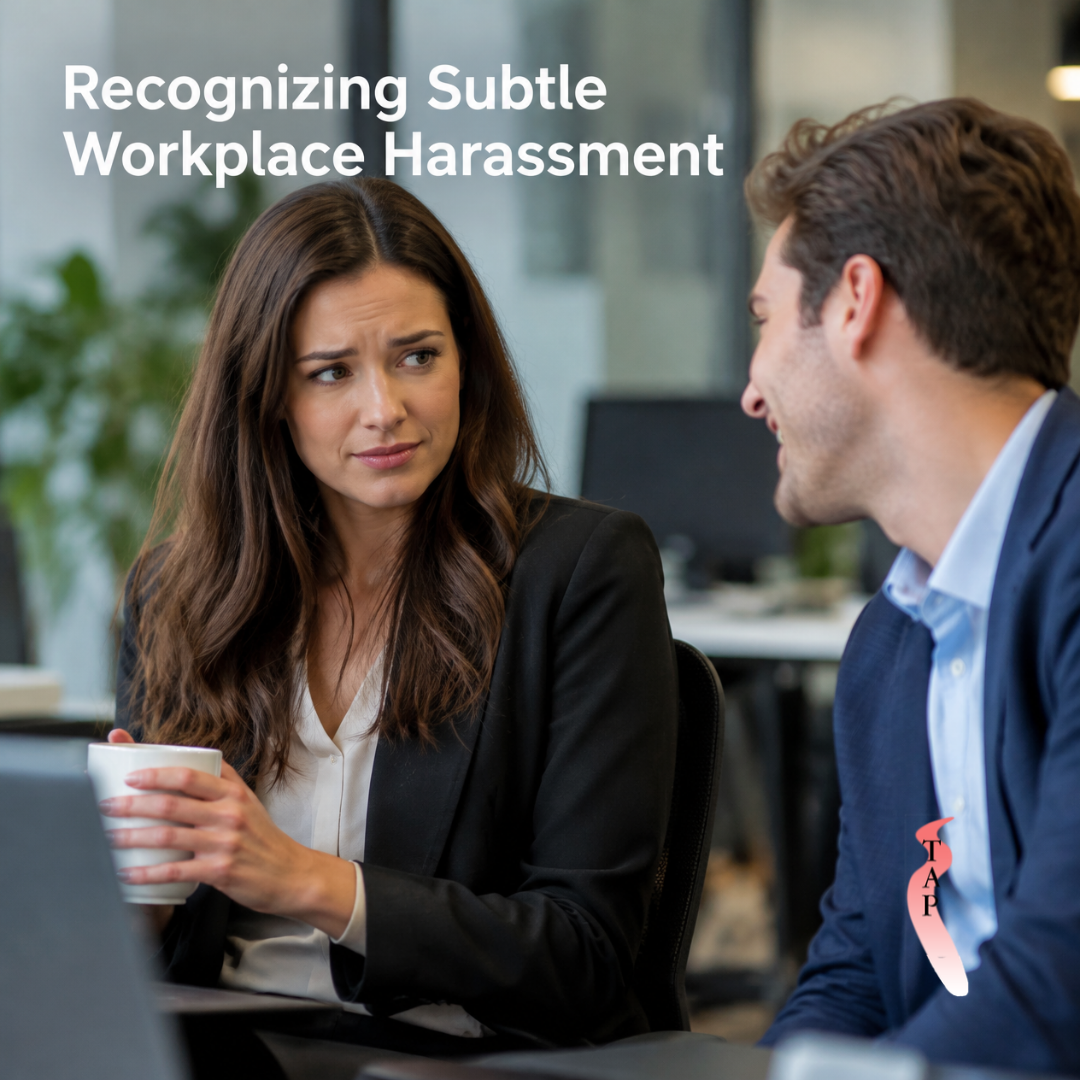
A respectful workplace requires more than written policies. Employees need to understand acceptable workplace behavior, know how to report concerns, and trust that complaints will be handled appropriately. When these elements are unclear or inconsistently applied, an organization may need to review its harassment prevention practices.
Recognizing the signs of weak workplace harassment prevention can help employers identify gaps in communication, employee training, supervisory practices, and reporting procedures before those gaps become more difficult to address.
Employees Are Unsure Where to Report Concerns
One warning sign is when employees do not know whom to contact if they experience or witness inappropriate behavior. They may be uncertain whether to approach HR, their supervisor, another manager, or a designated reporting contact.
This uncertainty can make it harder for employees to understand their options and follow established procedures.
Employers should ensure that:
- Reporting channels are clearly documented and accessible.
- Employees understand how to submit a complaint.
- Alternative reporting options are available when a supervisor is involved.
- Reporting procedures are explained during onboarding and training.
- Employees know where to find workplace policies.
Clear communication helps employees understand the steps available when concerns arise.
Supervisors Respond Inconsistently to Complaints
Another warning sign is when supervisors handle similar concerns differently without a clear reason. One manager might follow reporting procedures, while another dismisses a complaint as a misunderstanding or treats it as an informal disagreement.
Inconsistent responses can create confusion about workplace expectations and how concerns should be addressed.
Employers should provide supervisors with guidance on receiving complaints, documenting information when appropriate, escalating concerns, and following established procedures. Managers should also understand the importance of avoiding retaliation and protecting employee privacy within the limits of the response process.
Inappropriate Jokes and Comments Are Becoming Normalized
In some workplaces, inappropriate jokes, sexual comments, or remarks about coworkers may become common enough that employees stop questioning them. Others may participate because they believe speaking up could affect their relationships with colleagues or supervisors.
Repeated behavior should not be dismissed simply because it has become part of the workplace culture.
Employers should reinforce expectations for respectful communication and explain how employees can raise concerns about inappropriate conduct. Training can also help employees recognize why certain comments may violate workplace policies or, depending on the circumstances, applicable law.
Workplace Policies Are Unclear or Difficult to Access
A written harassment prevention policy is an important reference, but employees need to be able to locate and understand it.
Warning signs may include:
- Employees cannot find the current policy.
- Policies use confusing or overly technical language.
- Reporting procedures are incomplete or outdated.
- Employees do not understand the organization's anti-retaliation expectations.
- Workplace practices do not align with written policies.
Employers should periodically review their policies to ensure they clearly explain prohibited conduct, reporting channels, employee responsibilities, and how concerns will be handled.
Employees Do Not Understand Professional Boundaries
Employees may have different understandings of appropriate workplace behavior, particularly in environments involving close teamwork, customer interactions, or supervisory relationships.
If employees are uncertain about personal boundaries, professional communication, or inappropriate conduct, additional education may be needed.
Employers can address these gaps by providing practical examples during training and reinforcing that workplace standards apply regardless of job title, seniority, or personal relationships.
Employees Hesitate to Raise Concerns
Employees may be reluctant to report concerns if they fear embarrassment, negative treatment, damage to their careers, or being ignored.
Hesitation alone does not establish that an organization has a harassment prevention problem. However, feedback about reporting difficulties, concerns about retaliation, or repeated reluctance to use reporting channels may indicate that employers should examine how their processes operate.
Employers can help by communicating anti-retaliation policies, offering appropriate reporting options, and ensuring concerns are handled professionally and consistently.
Managers Are Not Properly Prepared to Respond
Supervisors often play an important role in receiving employee concerns. However, they may not know what to do when an employee reports inappropriate conduct, especially when the complaint involves another supervisor or senior leader.
Potential warning signs include managers who:
- Dismiss concerns without following company procedures.
- Promise absolute confidentiality when it cannot be guaranteed.
- Attempt to handle serious complaints outside established processes.
- Fail to escalate concerns when required.
- Make assumptions before the matter has been reviewed.
- Respond in ways that could be perceived as retaliatory.
Employers should provide supervisors with clear instructions and appropriate training so they understand their responsibilities.
Harassment Prevention Training Is Infrequent or Incomplete
Training may not adequately support employees if it is outdated, difficult to understand, or disconnected from the organization's actual reporting procedures.
Employers should consider whether employees understand the material and whether supervisors receive guidance appropriate to their responsibilities.
Useful training practices include:
- Providing training during onboarding.
- Offering periodic refresher sessions.
- Explaining reporting procedures clearly.
- Using realistic workplace scenarios.
- Addressing supervisor responsibilities.
- Reviewing materials when policies or applicable requirements change.
Employers should also check whether training meets relevant federal, state, and local requirements.
Workplace Concerns Are Not Followed Up Appropriately
Another warning sign is when employees report concerns but receive no information about the process or next steps, where appropriate. Delays, unclear responsibilities, and inconsistent follow-up can undermine confidence in the reporting system.
Employers should establish procedures for reviewing complaints, assigning responsibility, documenting relevant information, and determining appropriate responses.
The process should protect privacy as reasonably possible while allowing the organization to address concerns fairly. Employers should also avoid promising specific outcomes before the relevant facts have been assessed.
The Importance of Sexual Harassment Training
Sexual Harassment Training | TAP Series®
Sexual harassment training can help employers address knowledge gaps and reinforce expectations for professional conduct. It can also help employees understand how workplace policies apply to everyday situations.
Training can support several important areas:
- Employee awareness: Helping employees recognize inappropriate conduct and understand professional boundaries.
- Reporting procedures: Explaining where and how employees can raise concerns.
- Supervisor responsibilities: Preparing managers to respond appropriately and follow established procedures.
- Workplace respect: Reinforcing professional communication and appropriate behavior.
- Prevention strategies: Helping employees understand their responsibilities in maintaining a respectful workplace.
Training should complement clear policies, accessible reporting channels, and consistent responses to concerns. It cannot replace appropriate investigations or other necessary corrective action.
Key Takeaways for Employers
Employers can use the following steps to identify and address potential gaps in their harassment prevention practices:
- Review reporting procedures. Confirm that employees know where to raise concerns and understand their options.
- Evaluate supervisor readiness. Ensure managers understand how to receive and escalate complaints.
- Reassess workplace policies. Check that policies are accessible, current, and clearly written.
- Address inappropriate workplace behavior. Reinforce professional standards rather than allowing inappropriate jokes or comments to become normalized.
- Gather employee feedback. Use appropriate channels to identify confusion about policies, training, or reporting processes.
- Review training practices. Ensure employees receive relevant education and understand their responsibilities.
Broader Implications for Employers
Harassment prevention requires ongoing attention to workplace culture, leadership behavior, communication, and reporting procedures. Warning signs should prompt employers to examine their practices rather than assume that a single issue represents the full extent of a problem.
Employers should also consider whether employees across different departments, shifts, locations, and levels of authority have equal access to policies and reporting information.
Regular reviews can help organizations identify areas that need improvement and determine whether their prevention efforts reflect the realities of the workplace.
Conclusion
Effective workplace harassment prevention depends on clear policies, informed employees, prepared supervisors, and accessible reporting procedures. Uncertainty about reporting, inconsistent complaint handling, normalized inappropriate comments, and gaps in training can indicate areas that deserve closer attention.
By reviewing these warning signs and strengthening their prevention practices, employers can provide clearer guidance, reinforce accountability, and support a more respectful workplace.