Sinclair EEOC Settlement
Sinclair Broadcast Group Settles Race-Based Pay Disparity Lawsuit for $100,000
Background
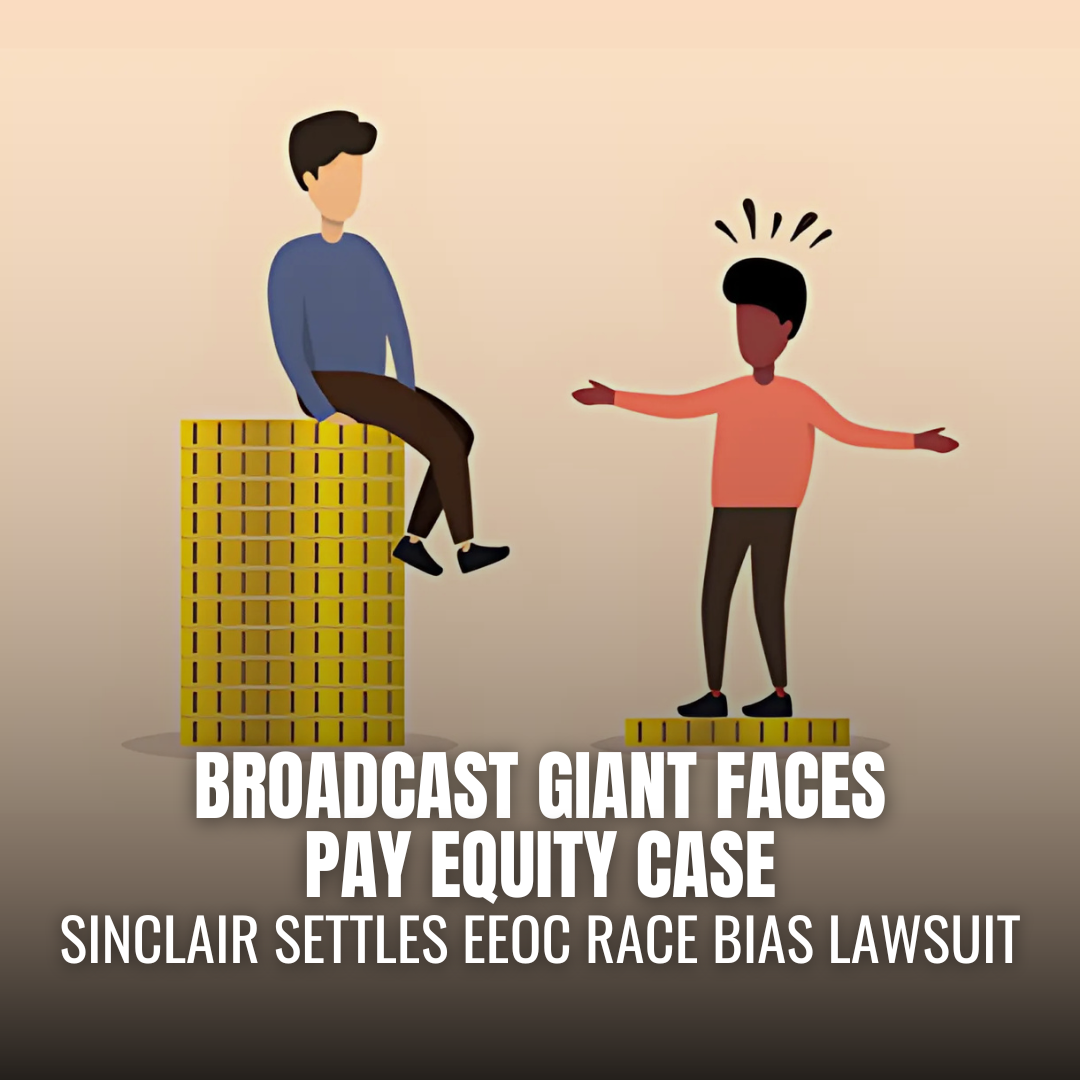
Sinclair Broadcast Group, a national media company based in Baltimore, has agreed to pay $100,000 to resolve a federal lawsuit alleging race-based pay discrimination. The case stemmed from the treatment of a Black female financial analyst who claimed she was paid less than her white counterparts for similar work.
Incident Details
According to the complaint filed by the U.S. Equal Employment Opportunity Commission (EEOC), the analyst was consistently underpaid despite her strong job performance. She raised concerns about the pay disparity with her manager and Sinclair’s human resources department. However, the company reportedly failed to take corrective action. The ongoing pay inequity and lack of response allegedly forced the analyst to resign, amounting to constructive discharge under federal employment law.
Legal Background
This case was filed under Title VII of the Civil Rights Act of 1964, which prohibits employment discrimination on the basis of race, color, religion, sex, or national origin. Unequal pay based on race violates these protections, and employers are required to ensure fair compensation practices. The EEOC attempted to resolve the matter through its conciliation process before filing the lawsuit in the U.S. District Court for the District of Maryland (Case No. 1:22-cv-02477).
Settlement Terms
Under the terms of an 18-month consent decree, Sinclair Broadcast Group will:
- Pay $100,000 in back pay and compensatory and punitive damages to the affected employee.
- Provide periodic reports to the EEOC to demonstrate ongoing compliance.
- Conduct anti-discrimination training for staff to reinforce obligations under Title VII.
- Implement monitoring measures to address future discrimination complaints.
- Maintain and communicate policies affirming that employees are permitted to discuss their compensation openly, without fear of retaliation.
Key Takeaways
- Pay transparency is critical: Employers must allow employees to discuss wages to prevent and address pay disparities.
- Inaction can lead to liability: Ignoring complaints about unequal pay can result in costly legal action and reputational harm.
- Race-based compensation practices violate federal law: Title VII protections include equitable pay regardless of race or background.
Conclusion
This case underscores the importance of maintaining equitable compensation practices and acting swiftly when concerns are raised. Employers must proactively review pay structures and remain vigilant against potential bias. The Sinclair Broadcast Group settlement sends a clear message that race-based disparities in pay will be challenged and penalized under federal law.