TAP Series Sexual Harassment Prevention
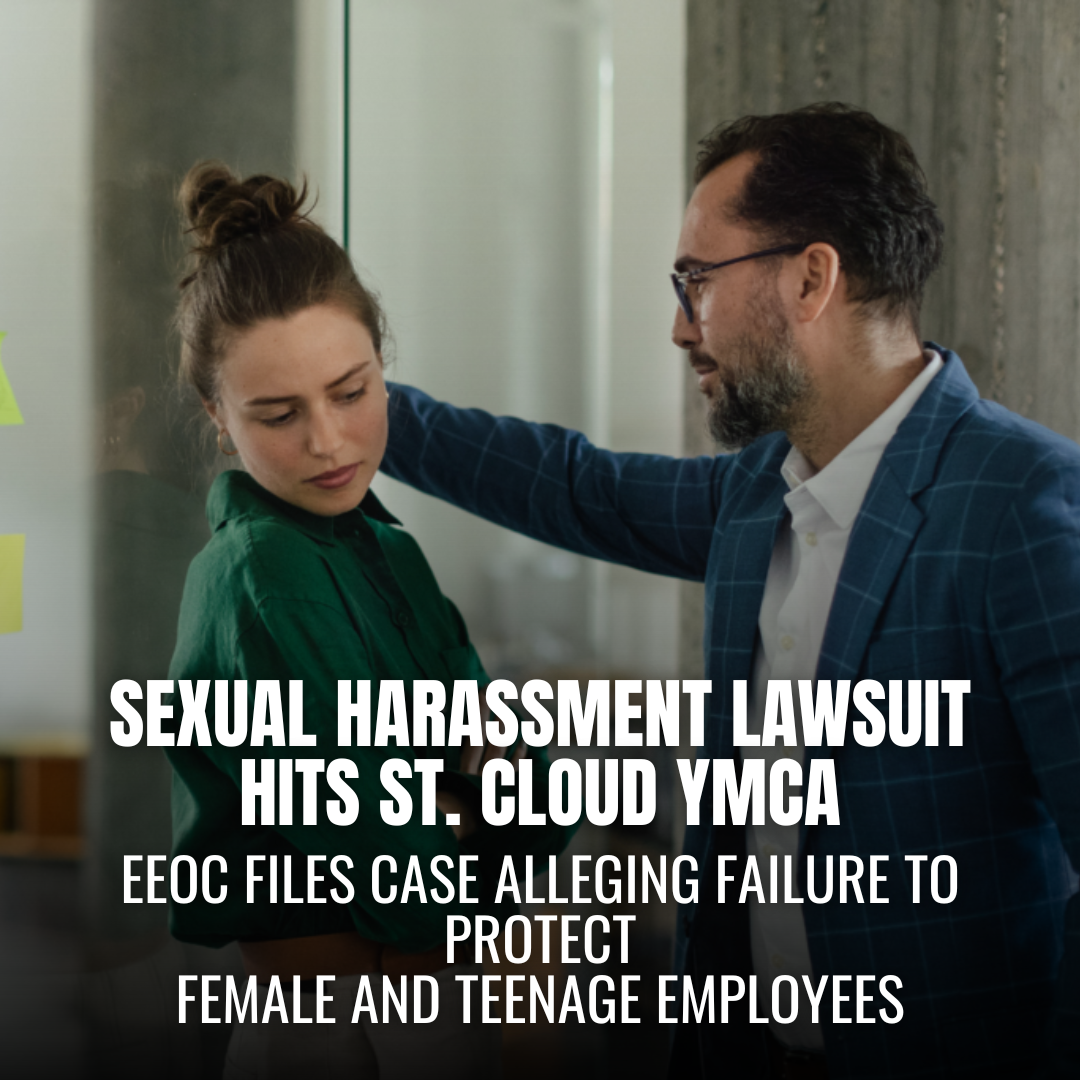
St. Cloud YMCA Faces EEOC Lawsuit Over Sexual Harassment of Female and Teenage Employees
Background
The U.S. Equal Employment Opportunity Commission (EEOC) has filed a federal lawsuit against the St. Cloud Area Family YMCA, alleging that the organization violated federal law by allowing sexual harassment to occur in its workplace. The case highlights ongoing concerns about employer accountability in preventing and addressing harassment, especially in environments where young employees are part of the workforce.
Incident Details
According to the EEOC’s lawsuit, a male manager at the St. Cloud Area Family YMCA engaged in repeated sexual harassment toward female employees, including teenagers. The manager allegedly made inappropriate sexual comments about their bodies and appearance, propositioned one employee for sex, and expressed demeaning views about women.
Despite multiple reports from affected employees, YMCA management failed to take prompt or adequate action to stop the harassment. Instead, the inaction created an environment that became unbearable for one employee, ultimately forcing her to resign to escape continued mistreatment.
Legal Background
The alleged conduct violates Title VII of the Civil Rights Act of 1964, a federal law that prohibits employment discrimination based on sex, including sexual harassment. The law also covers constructive discharge, which occurs when working conditions become so intolerable that an employee feels compelled to resign.
The EEOC filed the case (EEOC v. St. Cloud Area Family YMCA, Civil Action No. 0:24-cv-03738) in the U.S. District Court for the District of Minnesota after attempting to resolve the matter through its conciliation process.
Settlement and Relief
While the case is ongoing, the EEOC seeks back pay, compensatory and punitive damages for affected employees, and injunctive relief to ensure future compliance. Such measures typically include anti-harassment policy reforms, employee training programs, and stronger complaint response procedures.
Key Takeaways
- Employer Responsibility: Organizations must act immediately upon receiving harassment complaints to prevent liability and protect employees.
- Youth Vulnerability: Workplaces employing minors or younger staff must have stricter oversight and reporting mechanisms to ensure safety.
- Legal Protection: Under Title VII, employees who experience harassment or are forced to quit due to intolerable conditions have the right to legal recourse.
Conclusion
The EEOC’s lawsuit against the St. Cloud Area Family YMCA underscores the importance of enforcing anti-harassment laws and fostering a safe, respectful workplace. Failure to act promptly not only harms employees but can also result in significant legal and reputational consequences for employers.
Recommendation: Preventing Harassment Through Training
Preventing workplace harassment begins with proactive education and awareness. TAP Series, a leader in online compliance training, offers Sexual Harassment Prevention Courses designed to help employers maintain a professional, lawful, and respectful environment.
TAP Series simplifies compliance for busy professionals—helping teams understand appropriate workplace behavior, how to report issues safely, and how to foster cultures of respect. By partnering with TAP Series, organizations can strengthen their defenses against harassment claims and ensure lasting protection for both their employees and reputation.