New Employment Laws Alabama
Stricter Penalties for Child Labor Law Violations in Alabama: A Closer Look at Act No. 2024-285
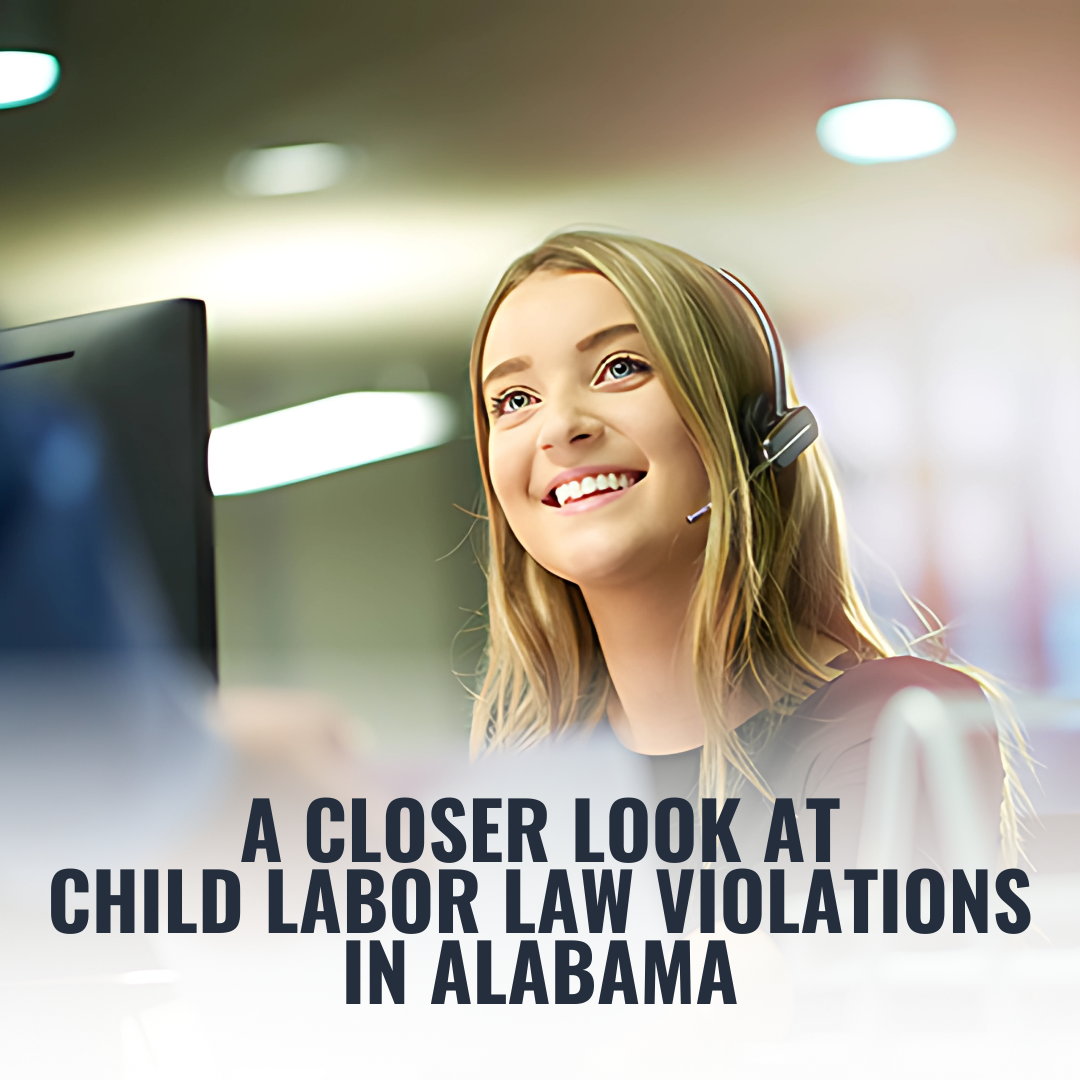
The state of Alabama is making significant strides in strengthening child labor protections with the passage of Act No. 2024-285. This new legislation, spearheaded by Sen. Robert L. Stewart, D-Selma, introduces stricter penalties for employers who violate child labor laws. Set to take effect on October 1, 2025, the law aims to deter businesses from exploiting minors and ensure safer working conditions for young workers.
Key Provisions of Act No. 2024-285
The updated law imposes increased civil and criminal penalties on employers who fail to comply with child labor regulations. The legislation addresses multiple aspects of child employment, reinforcing restrictions on working hours, prohibited occupations, and unsafe work environments.
Increased Civil Penalties
Under the new law, a civil penalty of no less than $300 may be imposed on employers who:
- Employ a minor under 16 in a prohibited occupation.
- Require a 14- or 15-year-old to work more than six days a week or exceed legal hourly limits during school and non-school days.
- Allow children under 14 to sell newspapers or other items in public spaces.
- Employ minors to dispense alcoholic beverages.
- Subject minors to unsanitary or unsafe working conditions.
- Violate record-keeping and posting requirements related to child labor laws.
Furthermore, the previous penalty range of $1,000 to $5,000 for certain violations has been increased to $5,000 to $10,000 for infractions such as:
- Employing 14- or 15-year-olds in hazardous industries like manufacturing, mechanical establishments, mills, or machine shops.
- Having minors under 16 operate dangerous machinery, including sanding, polishing, washing, grinding, and laundry equipment.
- Employing minors in any occupation deemed hazardous by the Alabama Labor Department.
- Employing individuals under 18 in dangerous professions or the adult entertainment industry.
Harsher Criminal Penalties
Perhaps the most significant change in Act No. 2024-285 is the introduction of felony charges for serious violations. Employers found responsible for child labor violations that result in serious injury or death can now be charged with Class B or Class C felonies. Additionally:
- A first-time offense has been escalated from a Class A misdemeanor to a Class C felony.
- A second or subsequent offense will now be classified as a Class B felony.
Implications for Employers and Businesses
The increased penalties serve as a clear warning to businesses in Alabama: violations of child labor laws will not be taken lightly. Employers must carefully review their hiring and employment practices to ensure compliance with the new legal framework. Key actions businesses should take include:
- Conducting thorough audits of employment policies regarding minors.
- Ensuring proper record-keeping and adherence to work-hour restrictions.
- Verifying that all positions held by minors comply with safety regulations.
- Providing training to management and HR personnel on updated labor laws.
A Step Forward in Child Labor Protections
The passage of Act No. 2024-285 represents a significant victory for child labor rights in Alabama. By imposing stricter penalties, the state is sending a strong message that the exploitation of minors will not be tolerated. While businesses may face new compliance challenges, these measures are essential to fostering a safer and more ethical workforce.
As the October 1 implementation date approaches, it is imperative for employers to take proactive steps to align with the new regulations. With stronger enforcement and increased penalties, Alabama is taking a firm stance in protecting its youngest workers from exploitation and unsafe labor conditions.