HR Compliance Pregnancy
U.S. Steel Faces Federal Lawsuit Over Pregnancy Accommodation and Retaliation Claims
Background
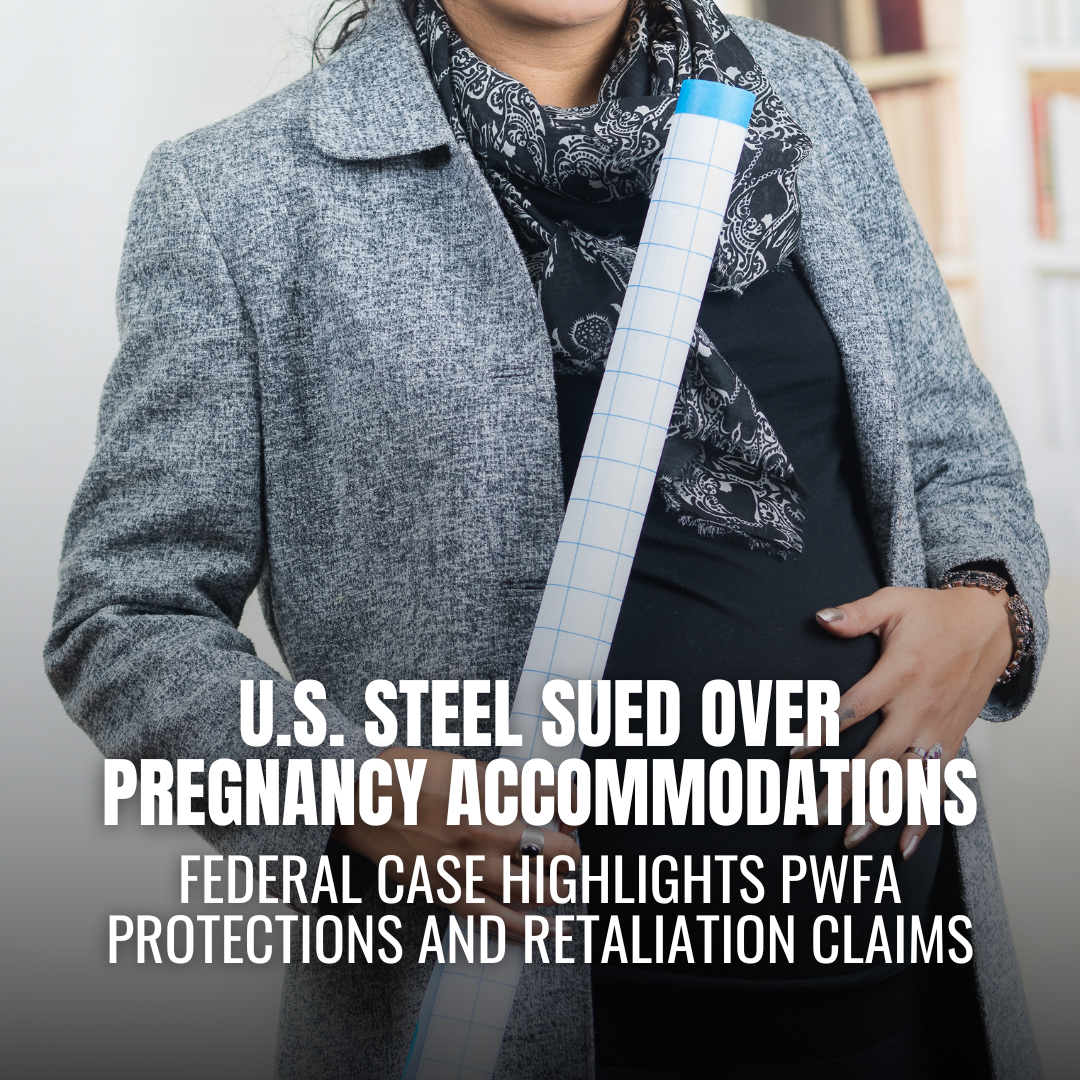
U.S. Steel, a multinational steel and iron mining company, operates large-scale mining and production facilities across the United States. In 2025, the company became the subject of a federal lawsuit alleging violations of workplace protections for pregnant employees. The case centers on how a pregnancy-related accommodation request was handled at the company’s Minntac mine in northern Minnesota and raises broader compliance questions under recently enacted federal law.
Incident Details
According to the lawsuit, an experienced mining equipment operator at the Minntac mine was experiencing a high-risk pregnancy and required a temporary accommodation. Her medical restriction limited her ability to operate the most physically jarring machinery during pregnancy. The employee requested an adjustment that would allow her to perform other duties within her existing job classification.
Instead of reassigning her to alternative tasks, the lawsuit alleges that U.S. Steel placed the employee on involuntary leave for several weeks. When she was later permitted to return to work, she was allegedly assigned duties that conflicted with her medical restrictions. The company then removed her from her regular role entirely and placed her in a clerical office position for the remainder of her pregnancy. This reassignment reportedly reduced her earning opportunities compared to her standard mining assignments.
The lawsuit further alleges that after her pregnancy, the employee experienced retaliation. Specifically, U.S. Steel is accused of denying her access to higher-paying assignments and assigning her to more physically demanding and less desirable work locations within the mine.
Legal Background
The lawsuit was filed under the Pregnant Workers Fairness Act (PWFA), which took effect on June 27, 2023. The PWFA requires covered employers to provide reasonable accommodations for known limitations related to pregnancy, childbirth, or related medical conditions unless doing so would impose an undue hardship on the business. The law also prohibits employers from placing employees on involuntary leave when a reasonable accommodation is available and bars retaliation against employees who request accommodations or assert their rights under the statute.
The EEOC filed the case in the U.S. District Court for the District of Minnesota after attempting to resolve the matter through its pre-litigation conciliation process.
Relief Sought
At this stage, the case remains in litigation and has not been resolved through settlement. The lawsuit seeks relief that may include monetary damages for lost wages and diminished earning capacity, as well as injunctive relief requiring changes to workplace policies and practices. The EEOC is also seeking measures aimed at preventing future pregnancy discrimination and retaliation, such as revised accommodation procedures and training requirements.
Key Takeaways
- Temporary job modifications and alternative assignments may be required accommodations during pregnancy under federal law.
- Employers may not force pregnant employees onto involuntary leave if reasonable accommodations are available.
- Retaliation after a pregnancy or accommodation request can create additional legal exposure beyond the initial discrimination claim.
Conclusion
The lawsuit against U.S. Steel highlights the expanded obligations employers face under the Pregnant Workers Fairness Act and the legal risks associated with rigid accommodation practices. As pregnancy-related protections continue to evolve, employers—particularly those in physically demanding industries—are expected to engage in a meaningful accommodation process and ensure post-pregnancy employment decisions are free from retaliation. The outcome of this case may further clarify how the PWFA is enforced in practice.