Homeownership Costs Beyond Mortgage
What Homebuyers Should Know About Unexpected Homeownership Costs
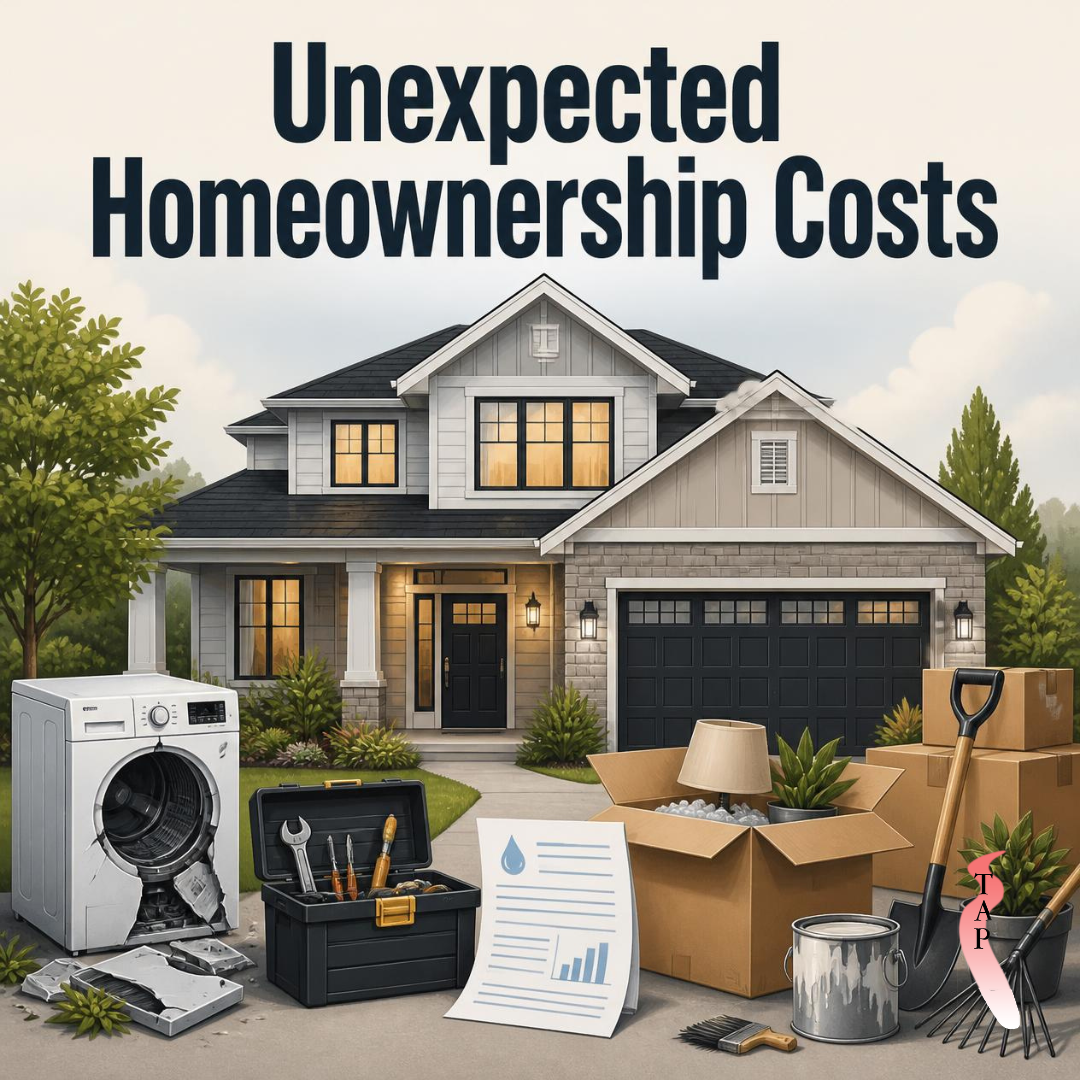
Buying a home involves more expenses than the purchase price alone. While buyers often plan for major upfront costs and regular household bills, less obvious expenses can appear after moving in. Appliance replacement, emergency repairs, landscaping, pest control, routine maintenance, and moving-related purchases can all affect the cost of settling into a property.
These expenses are part of the practical responsibilities that can come with owning and maintaining a home. Understanding them before buying can provide a more complete picture of what living in a particular property may involve.
Appliance Replacement
Appliances can eventually need repairs or replacement. Refrigerators, ovens, dishwashers, washing machines, dryers, water heaters, and other equipment all have a limited working life.
A property may come with appliances that appear to be functioning properly during a viewing, but their age and condition can still be relevant. Several older appliances could require attention within a relatively short period.
When evaluating a home, check which appliances are included and consider their approximate age and condition. This can help identify equipment that may eventually need to be replaced.
Emergency Repairs
Unexpected repairs can happen even when a property appears well maintained. Plumbing leaks, electrical issues, heating or cooling problems, and broken fixtures may require attention with little warning.
The potential for repairs can vary depending on the home's age, condition, construction, and major systems. Look for signs of existing issues, such as water damage, unusual odors, damaged surfaces, or poorly maintained equipment.
Understanding the property's condition can provide useful context for the types of repairs that may arise after moving in.
Landscaping and Yard Maintenance
Outdoor space can introduce costs that are easy to overlook when focusing primarily on the interior. Lawn care, gardening, trimming, irrigation, landscaping, and tree maintenance may all require time, equipment, or professional services.
The size and design of the yard can make a significant difference. A large garden may require more upkeep than a small paved courtyard, while mature trees may require specialized maintenance.
Consider whether the property's outdoor areas match the amount of upkeep you are prepared to handle.
Pest Control
Pest-related expenses can vary depending on the home's location, construction, landscaping, climate, and surrounding environment.
Some properties may require periodic preventative treatments, while others may encounter problems that require more extensive attention. Moisture, damaged wood, gaps, and poorly maintained outdoor areas can sometimes contribute to pest concerns.
During a property inspection or viewing, pay attention to potential signs of pest activity and areas where moisture or structural gaps may be present.
Routine Maintenance
Regular maintenance is an ongoing part of homeownership. Depending on the property, this can include cleaning gutters, servicing heating and cooling equipment, checking plumbing, maintaining exterior surfaces, and caring for appliances.
The maintenance requirements of a home can depend heavily on its age and design. A property with extensive landscaping, multiple outdoor structures, or older systems may require more attention than a simpler home.
Understanding these responsibilities can help you determine whether the property suits your preferred lifestyle.
Moving-Related Costs
The cost of moving can extend beyond transportation or professional movers. New homeowners may also need packing materials, cleaning supplies, locks, tools, storage solutions, curtains, light fixtures, or other household items.
Some needs only become apparent after moving in. Furniture may not fit as expected, existing appliances may not suit the new space, or additional storage may be necessary.
These smaller purchases can add up during the transition, particularly when a home requires several items to become fully functional.
Home Improvement Expenses
After moving in, you may identify changes that would improve the property's appearance or functionality. Painting, shelving, lighting, flooring, landscaping, and other upgrades can become additional expenses.
Some improvements may be necessary because of the home's condition, while others are personal preferences.
Living in the property for a while can help reveal which changes are genuinely useful and which can wait.
Tools and Maintenance Equipment
Moving from an apartment to a house can also mean acquiring equipment for tasks you previously did not have to handle.
Depending on the property, homeowners may need basic tools, ladders, garden equipment, cleaning supplies, hoses, or other maintenance items.
The requirements will vary based on the home's features. A property with a large yard, garage, or extensive outdoor areas may require more equipment than a low-maintenance property.
Utility Setup and Changes
Moving into a new property can involve utility-related expenses such as connection fees, deposits, installation costs, or new equipment, depending on the service and location.
Ongoing utility use can also differ from what you experienced in a previous home. Factors such as floor area, insulation, appliances, heating and cooling systems, and household habits can influence consumption.
Consider the home's systems and size when assessing how your regular household expenses may change.
Seasonal Expenses
Some homeownership costs become more noticeable at particular times of the year. Heating and cooling requirements may change with the weather, while landscaping and outdoor maintenance can vary by season.
Certain services, inspections, or maintenance tasks may also occur annually rather than monthly.
Looking at the property across different seasons can provide a better understanding of how its maintenance and operating requirements may change throughout the year.
Property Condition Matters
The condition of a home can have a major influence on unexpected costs. Older appliances, aging systems, worn roofing, deteriorating outdoor structures, or deferred maintenance may require attention sooner than newer or recently maintained components.
However, age alone does not determine a property's condition. A well-maintained older home can have different requirements from a newer property that has not received consistent care.
Pay attention to the condition of major components rather than relying solely on the property's age or purchase price.
Consider the Full Ownership Experience
Unexpected expenses are easier to understand when considered alongside the property's features and condition. A large yard, older appliances, extensive landscaping, or multiple outdoor structures may provide useful benefits while also creating additional responsibilities.
The same applies to a smaller or newer property. It may require less attention in some areas but still have its own maintenance and replacement needs.
Looking at these factors together can help you understand what owning and maintaining a particular home may involve.
Final Thoughts
Unexpected homeownership costs can come from many sources, including appliance replacement, emergency repairs, landscaping, pest control, routine maintenance, moving expenses, and household improvements.
Not every expense will occur, and costs can vary significantly between properties. However, recognizing these less obvious responsibilities can help buyers look beyond the purchase price and assess the practical demands of a home.
Understanding the property's condition, features, maintenance requirements, and likely household needs can provide a more realistic view of the overall homeownership experience.