EEOC Enforcement Actions
Yellowhouse Machinery Faces EEOC Lawsuit for Failing to Accommodate Worker with Light Sensitivity
Background
Yellowhouse Machinery Co., a major dealer of construction and heavy equipment in Texas and Oklahoma, is facing a federal lawsuit over alleged disability discrimination. The case stems from an incident at its McAlester, Oklahoma location, where a longtime receptionist claimed the company failed to honor her medical accommodation related to chronic light sensitivity.
Incident Details
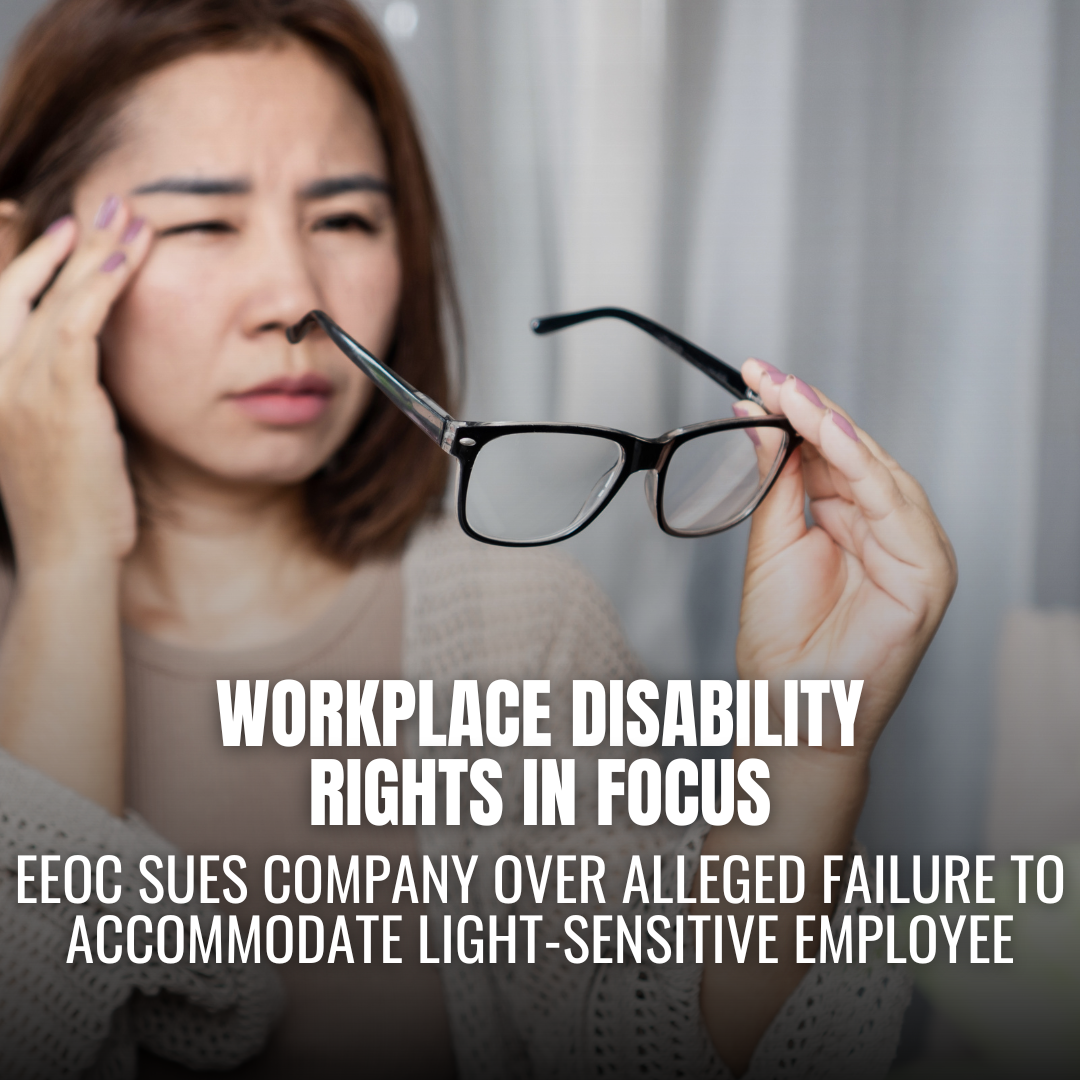
According to the complaint filed by the U.S. Equal Employment Opportunity Commission (EEOC), the receptionist suffered from chronic migraines triggered by bright light exposure. For nearly three years, Yellowhouse allowed her to work under dimmed lighting conditions, which effectively managed her symptoms and allowed her to perform her duties without issue.
In May 2024, the store manager replaced the dim lighting with bright LED bulbs. After submitting a doctor’s note requesting a continuation of her prior accommodation, the employee’s requests were denied. The company’s only proposed measure was to move her desk a few feet away from the lights — a change that did not reduce her discomfort or prevent her migraines.
Unable to perform her job without a reasonable accommodation, the employee ultimately resigned. The EEOC alleges that Yellowhouse’s refusal to make adjustments constituted constructive discharge, meaning the employee was effectively forced to quit due to unlawful working conditions.
Legal Background
The Americans with Disabilities Act (ADA) prohibits employers from discriminating against qualified individuals with disabilities and requires reasonable accommodations to enable them to perform their job duties. Under the ADA, employers must engage in an interactive process to determine appropriate accommodations unless doing so would cause undue hardship to the business.
Failure to provide a reasonable accommodation — especially when it had previously been granted successfully — can constitute a violation of federal law. The EEOC filed the case (EEOC v. Yellowhouse Machinery Co., Case No. 6:25-cv-344-JAR) in the U.S. District Court for the Eastern District of Oklahoma after unsuccessful attempts at a pre-litigation settlement.
Settlement and Relief Sought
The lawsuit seeks monetary damages for lost wages, emotional distress, and other compensatory relief for the affected employee. It also requests injunctive relief to ensure Yellowhouse reviews and revises its disability accommodation policies, provides ADA training to managers, and prevents future violations.
Key Takeaways
- Employers must maintain consistent accommodations for workers with disabilities unless there is a legitimate reason for change.
- The ADA protects both visible and invisible disabilities, including chronic conditions such as light sensitivity or migraines.
- Businesses are required to engage in an interactive process to identify reasonable solutions rather than unilaterally denying accommodation requests.
Conclusion
The lawsuit against Yellowhouse Machinery underscores the ongoing importance of ADA compliance in the workplace. As employers modernize their facilities or make operational changes, they must remain vigilant about the potential impact on employees with disabilities. Failure to uphold accommodation obligations can lead not only to costly litigation but also to reputational harm and employee turnover.